







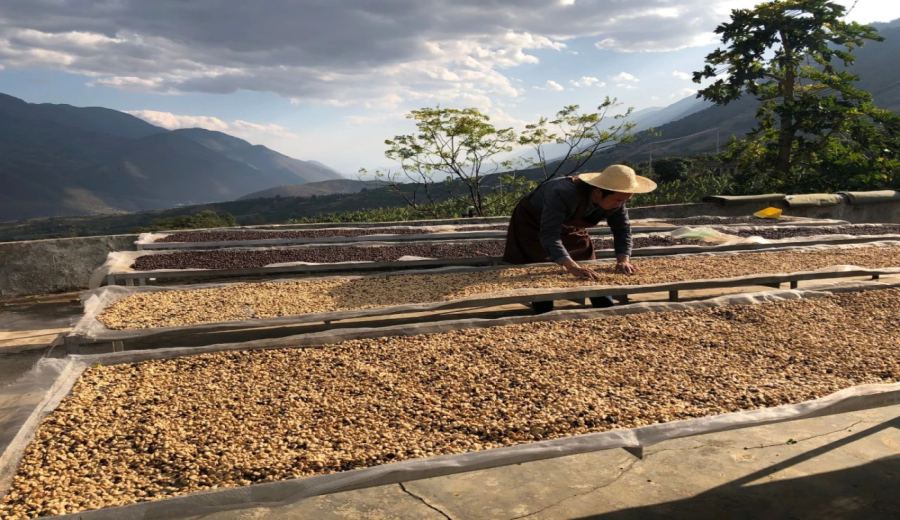
Introduction:Since its introduction in 1904, Yunnan small-bean coffee has become an important category in China’s domestic coffee market. This article delves into the main cultivated varieties in Yunnan, from the classic Typica to the mainstream Catimor, exploring their historical background, disease resistance characteristics, and flavor profiles, while also providing practical purchasing advice to help coffee enthusiasts find high-quality beans suitable for pour over or everyday drinking.
When it comes to coffee-growing regions, most people first think of Africa or Central and South America. However, Yunnan, China, actually began its coffee cultivation history as early as 1904 and has now become one of the world’s significant Arabica-producing areas. In recent years, "Yunnan small-bean coffee" has seen increasing visibility in domestic specialty coffee shops. Its unique flavors and reasonable pricing have gradually won over consumers.
The term "small-bean coffee" mainly refers to Arabica varieties with relatively small fruit size, as opposed to the more common medium-sized Robusta. The early introductions to Yunnan—Typica and Bourbon—were both traditional, high-quality Arabica varieties, with Typica being the foundational variety of the famous Jamaican Blue Mountain. This variety is known for its delicate aroma, clean taste, and rich layers, but it naturally has low yield and is highly susceptible to rust disease, requiring more intensive labor management. As a result, it has not been widely promoted.
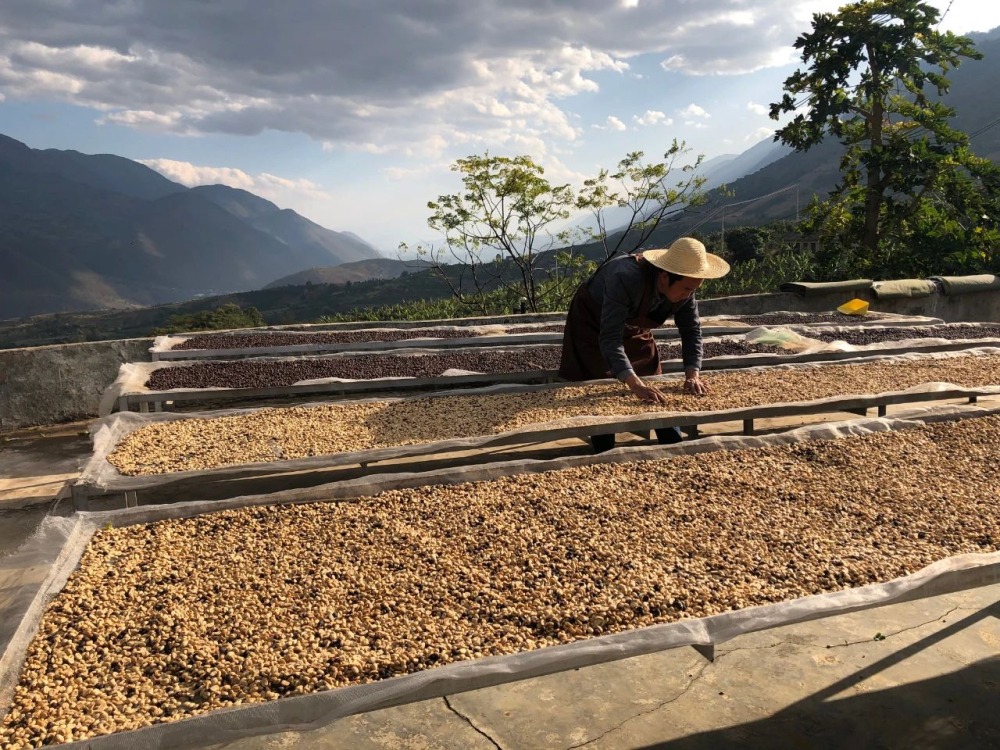
For those wanting to experience the classic flavor of traditional Yunnan small-bean coffee, look out for medium-roasted beans processed using the natural (sun-dried) method. This processing style can highlight a chocolatey, toasted bread base, along with tropical fruit fermentation notes and a black tea-like aftertaste, making it suitable for coffee lovers who enjoy complex flavors. However, for most farmers, economic viability is key in planting decisions. Low-yield varieties struggle to sustain livelihoods, prompting Yunnan to gradually shift toward higher-yield, disease-resistant alternatives.
During the 1970s and 1980s, the global coffee industry suffered greatly from leaf rust disease, causing the extinction of many traditional varieties. After the reform and opening-up, Yunnan coffee began to align with the international market. Starting in 1988, foreign enterprises including Nestlé entered the region. In addition to providing technical support, they also committed to purchasing coffee beans at U.S. futures prices, which significantly boosted planting enthusiasm. Against this backdrop, the Catimor variety—which combined yield potential with disease resistance—rose rapidly and gradually replaced Typica as the dominant cultivar.
It’s important to note that although Catimor is classified as Arabica, its genetics include 25% Robusta lineage. Robusta naturally contains higher levels of chlorogenic acid, is resistant to pests and drought, and thrives in low-altitude environments, with fruits ripening quickly and yielding abundantly. In contrast, purebred Arabica requires significant diurnal temperature variations at high altitudes to slow maturation and accumulate more flavor compounds. Through genetic blending, Catimor achieves a balance between production efficiency and basic flavor performance.
In actual tasting, Catimor typically exhibits a balanced flavor profile. Its taste is grounded in nutty and herbal notes, paired with brown sugar sweetness and bright acidity highlights (such as plum-like tones), making it suitable for everyday drinking or for consumers trying Yunnan beans for the first time. If you prefer a brighter, cleaner extraction flavor, opt for a medium-roasted, washed-process bean, which will more clearly showcase its balance of fruity aroma and sweetness.

For consumers seeking high cost-performance Yunnan small-bean coffee, choosing a reputable roasting brand is crucial. It is recommended to prioritize suppliers with in-house roasting capabilities to ensure the beans are consumed within five days of roasting for optimal freshness. Freshly roasted coffee beans not only have more vivid flavors but also better display the nuanced characteristics of the variety. Whether brewed via pour over or espresso, they deliver a richer and more layered cup profile.
The above content is compiled by CoffeeHunters, a coffee news website.


