








Introduction:Kenya AA coffee is renowned for its unique tomato-like bright acidity and vibrant flavor profile, making it a must-try for specialty coffee enthusiasts. This article delves into its regional characteristics, rigorous grading system, distinctive K72 washed processing method, and the key factors that contribute to its exceptional flavor. From exploring the differences among ten major producing regions such as Nyeri and Nakuru, to practical pour over recommendations and extraction parameters, this guide will help you fully grasp this richly flavored and layered coffee bean, and discover your ideal brewing method.
Kenya AA coffee stands out in the global specialty coffee market with its crisp, lively acidity and rare tomato-like notes. This distinctive flavor arises not only from its natural geographical and climatic advantages but also from its strict cultivation, processing, and grading systems. Understanding these behind-the-scenes details not only allows for a deeper appreciation of Kenya coffee’s unique charm, but also helps achieve professional-level results when brewing at home.

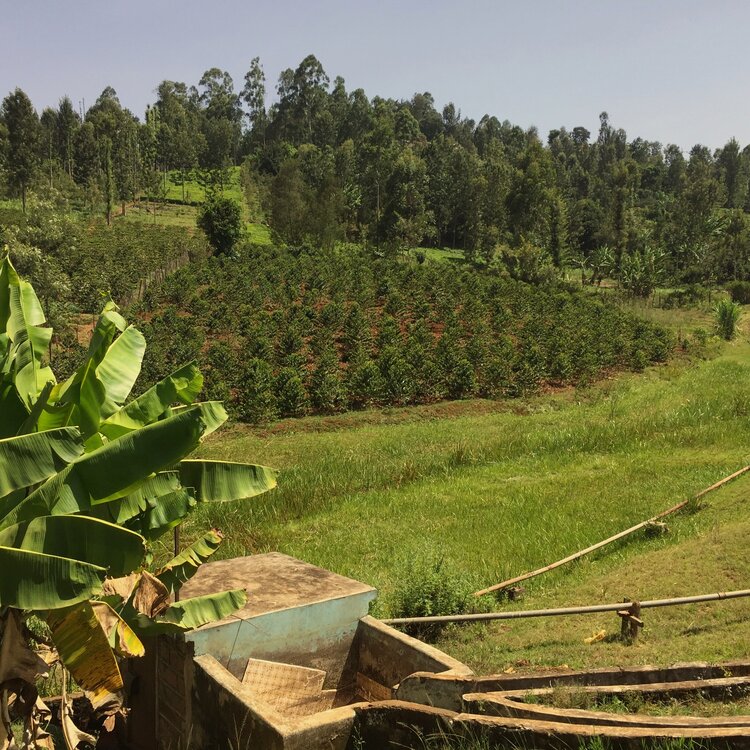
Located in East Africa, Kenya is bisected by the equator and is predominantly highland terrain, with an average elevation of about 1,500 meters. Its highest peak, Mount Kenya (formerly known as Mount Kirinyaga), rises to 5,199 meters and is capped with snow year-round. The region features a typical tropical highland climate, with two distinct rainy seasons each year. The main coffee harvest periods are from October to December and from June to August. Most Kenyan coffee is grown in volcanic soil regions at elevations between 1,600 and 2,100 meters. The high altitude extends the ripening period of coffee cherries, facilitating the accumulation of flavor compounds, resulting in beans with a dense structure, bright acidity, and greater shelf stability.
The history of coffee cultivation in Kenya began in the late 19th century. In 1893, missionaries introduced the Bourbon variety from Brazil and conducted trial plantings locally. Starting in 1895, British colonial rule gradually took control of Kenya’s agriculture, including its coffee industry. Between 1900 and 1933, the colonial government established the Coffee Board to oversee coffee cultivation, inspection, and promotion. It wasn’t until 1935 that Kenya held its first official coffee auction, and in 1946, the Coffee Marketing Board (CMB) was formed, which continued until its dissolution in 1971. Despite these changes, Kenya’s coffee industry has maintained a high level of organization and quality control, laying the foundation for its esteemed position in the specialty coffee world today.
Kenya has ten major coffee-producing regions, each with its own unique characteristics. Nyeri, located at the foot of Mount Kenya, boasts fertile volcanic red soil and is home to numerous coffee cooperatives. With elevations ranging from 1,200 to 2,300 meters, it is renowned for producing high-quality coffee. Murang’a, one of the earliest areas settled by missionaries, has a dense population of smallholder coffee farmers, with elevations between 1,350 and 1,940 meters, and produces full-bodied coffees. Kirinyaga, neighboring Nyeri, also cultivates tightly structured beans in volcanic soil, at elevations of 1,300 to 1,900 meters. Embu, close to Mount Kenya, is primarily cultivated by smallholders, with modest output but consistent quality, at elevations of 1,300 to 1,900 meters. Meru was an early planting area for African coffee farmers, benefiting from the protective policies of the 1923 White Paper, at elevations of 1,300 to 1,950 meters. Kiambu started with large estates and has since shifted mostly to smallholder and sub-region sales, at elevations of 1,500 to 2,200 meters. Machakos is a medium-sized producing region with elevations of 1,400 to 1,850 meters, featuring both estate and smallholder models. Nakuru hosts the country’s highest-altitude coffee-growing areas, where some regions face challenges like dieback disease due to elevation, yet still produce uniquely flavored coffees, at elevations of 1,850 to 2,200 meters. Kisii, near Lake Victoria, is dominated by small cooperatives, with elevations of 1,450 to 1,800 meters, producing modest but uniformly high-quality yields.
Kenya’s coffee grading system is based primarily on bean size, shape, and density, and is recognized as one of the most refined in the industry. The highest grade is AA, referring to beans sized 17–18 screens, typically offering the richest flavors and highest market value. AB grade consists of 15–16 screen beans and is a blend of A and B grades, commonly found in the market. E grade includes elephant beans (over 18 screens), which may contain peaberry (PB) beans—rare but highly sought after. TT grade comprises lighter beans sorted by air, often derived from AA and AB grades. PB (peaberry) beans account for about 10% of total production and, due to their unique growth structure, often exhibit more concentrated flavors. Grades C, T, and HE consist of lower-grade or defective beans. Additionally, there are unofficial but commonly used supplementary grades such as TOP, PLUS (+), and FAQ, used to further distinguish quality within AA and AB grades.
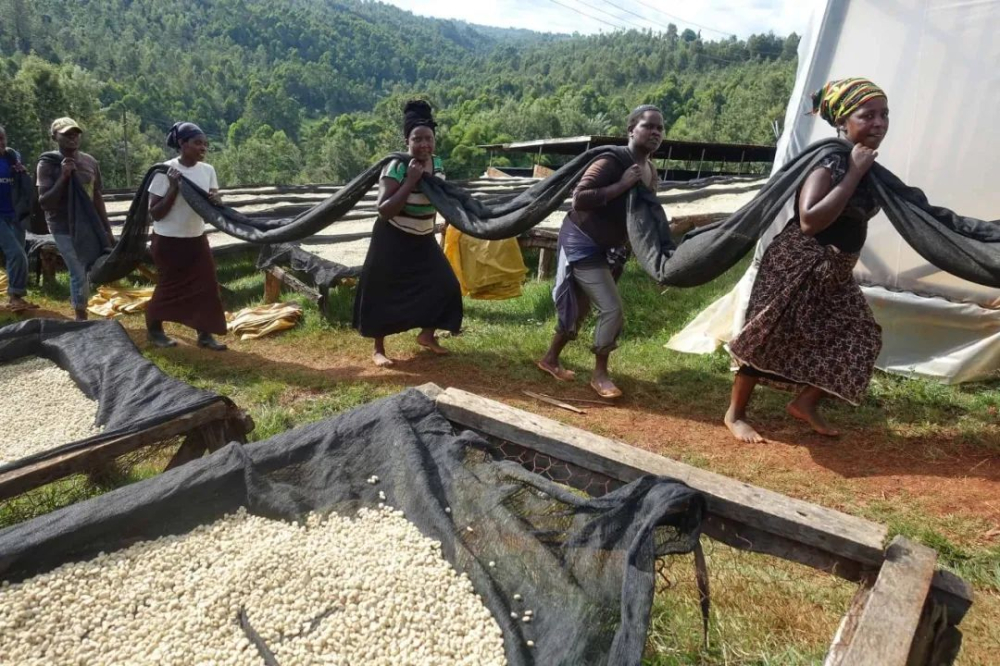
The unique flavor profile of Kenya coffee, especially its tomato-like acidity and bright citrus notes, is closely tied to its distinctive K72 washed processing method. Compared to the 24–36 hour fermentation periods common in other regions, Kenya employs a 72-hour fermentation process, followed by an additional 24-hour soak in clean water after mucilage removal. This elaborate and time-consuming procedure enhances the coffee’s clarity and flavor complexity, resulting in a cup with bright acidity reminiscent of black plum or cherry tomatoes, along with natural sweetness and a layered fruit aroma.
If you’d like to try brewing Kenya AA coffee at home, take the beans from the Asali factory as an example. The recommended parameters are: use a Hario V60 dripper, 15 grams of coffee, a 1:15 coffee-to-water ratio, water temperature controlled at 90°C, and a grind size of EK43s#10 (approximately 80% passing through a 20-mesh sieve). The brewing steps are as follows: start with a 30-second bloom using 30 grams of water, then pour up to 125 grams for the first pour. When the water level is about to drop below the coffee bed, pour up to 225 grams for the second pour. Finally, let the dripping finish. The total brew time is around 2 minutes. These parameters help highlight the layered acidity and balanced sweetness of Kenya coffee.
In summary, the appeal of Kenya AA coffee lies not only in its pronounced tomato and fruity acidity, but also in its exceptional growing environment, rigorous grading system, and sophisticated washed processing techniques. Understanding these key elements enhances both coffee tasting and home brewing experiences, allowing for a deeper appreciation of the clean texture and rich complexity behind this “most acidic” coffee.
The above content is compiled by CoffeeHunters, a coffee news website.


