








Introduction:New to pour over coffee and unsure which beans to choose? This article takes an in-depth look at representative coffee bean varieties from four major regions—Africa, the Americas, Asia, and Yunnan, China—analyzing their unique flavor profiles. It also provides practical brewing parameters such as water temperature, grind size, coffee-to-water ratio, and filter options, helping you find the perfect pour over combination based on your personal taste preferences.
Many beginners often face a common dilemma: “Which coffee beans should I use for brewing?” With so many types of coffee beans available on the market, each with different regional backgrounds, variety characteristics, processing methods, and roast levels, it can be overwhelming. This article will guide you from Africa and the Americas to Asia and Yunnan, China, diving deep into the flavor profiles of representative beans from each region and offering useful pour over suggestions to help you craft your own perfect coffee experience.
For beginners, finding a coffee bean that matches your personal taste among the many available is indeed an art. The choices commonly found in coffee shops are incredibly diverse—whether it’s differences in origin, variety traits, processing methods, or roast depth, all of these factors influence the final flavor. So how do you choose to find that “just right” cup of pour over coffee? Let’s break it down step by step.
Coffee, along with tea and cocoa, is one of the world’s three major beverages. Although it has only been in the Chinese market for a little over a hundred years, coffee culture in China has developed rapidly in recent years, with an increasing number of enthusiasts. We’ll start by exploring the most representative coffee-producing regions to uncover the secrets behind their diverse flavors.
Africa – Ethiopia Yirgacheffe
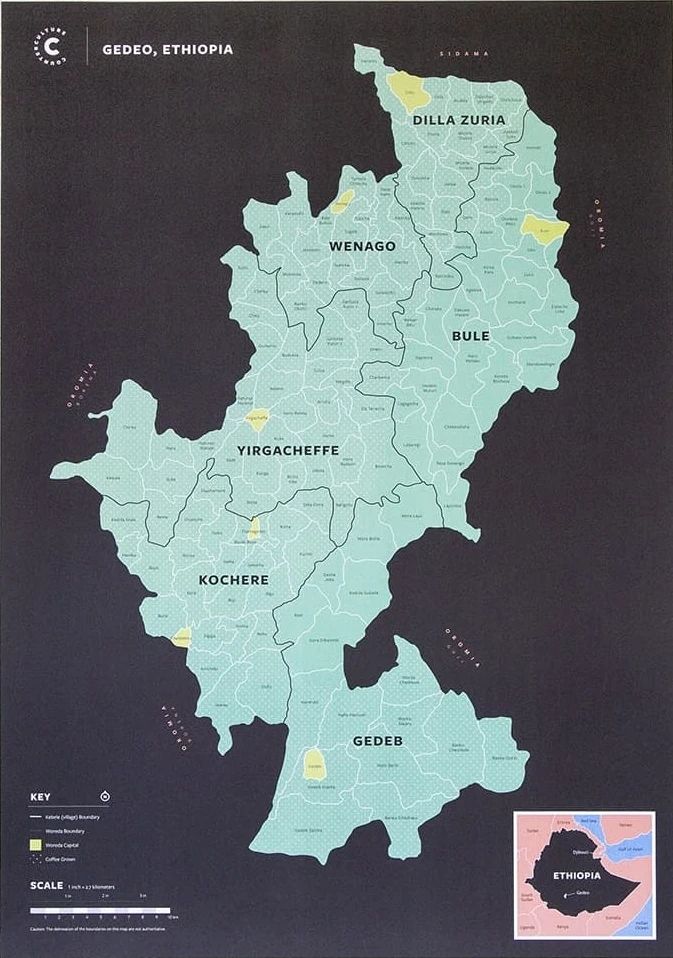
Yirgacheffe is often the starting point for many pour over beginners exploring African beans, and its origin, Ethiopia, is the birthplace of Arabica coffee. Although Yirgacheffe was originally a small town within the Sidamo region, its outstanding coffee performance gradually earned it independent fame. The coffee here is known for its bright acidity, clean mouthfeel, and delicate floral notes, making it the “representative of floral and fruity aromas” in the coffee world.
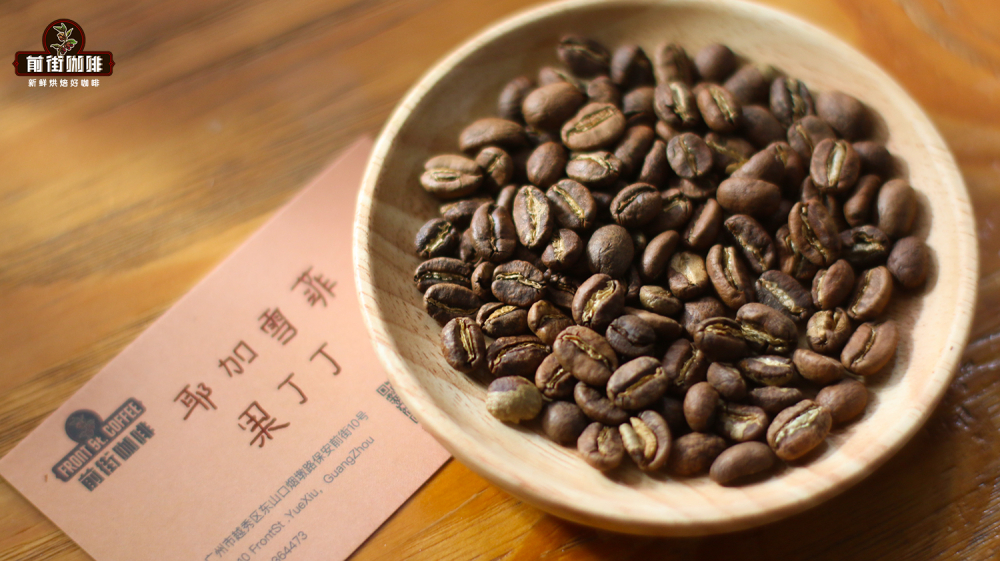
A certain brand’s Yirgacheffe washed Guji Dingding is produced by the Guji Dingding cooperative at an altitude of about 2000 to 2100 meters, using local native varieties and the washed processing method. Its flavors include citrus, black tea, floral notes, cream, caramel, and almonds. The acidity is light and carries a tea-like quality, reminiscent of the refreshing feeling of drinking lemon tea.
Africa – Kenya Assaliya
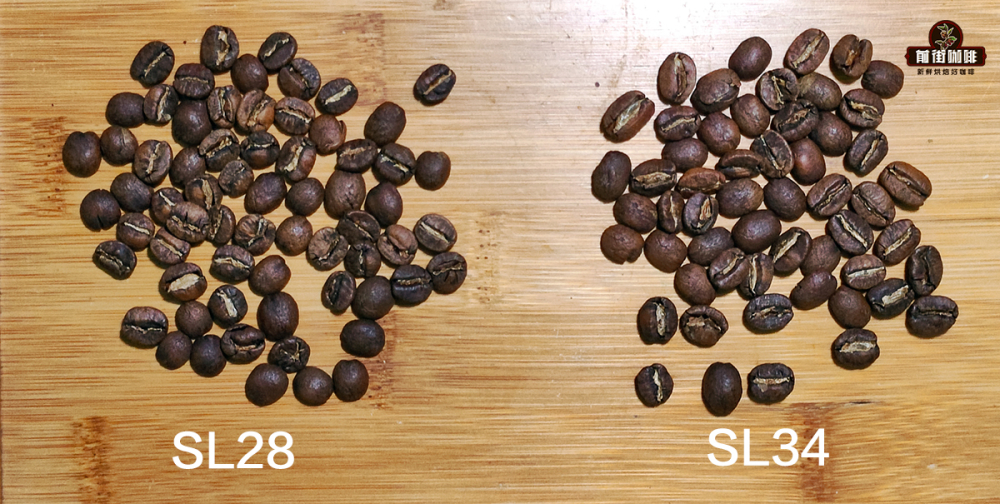
Kenyan coffee enjoys a very high reputation among coffee enthusiasts. Its representative varieties, SL28 and SL34, were carefully cultivated by the Kenya National Agricultural Laboratories and are particularly well-suited to medium-to-high altitudes and rainy environments. Both varieties feature pronounced acidity and rich mouthfeel, while Kenya’s unique K72 washed process enhances the clarity and cleanliness of the coffee’s flavors.
The K72 process involves three rounds of fermentation and washing, totaling 72 hours, effectively intensifying the coffee’s aroma and complexity. A certain brand’s Kenya Assaliya is processed this way, grown at altitudes of 1550 to 1750 meters in the Thika region, using the SL28 and SL34 varieties. Its flavors showcase a complex profile of Sydney pear, black plum, brown sugar, cherry tomatoes, and plums, with balanced acidity and sweetness and distinct layers.
Americas – Brazil Fazenda Rainha Yellow Bourbon
As the world’s largest coffee-producing country, Brazil’s coffee is typically grown at altitudes between 400 and 1600 meters. Combined with sun-dried cultivation, its beans tend to be softer and less dense, with flavors characterized by low acidity and rich nutty and chocolatey notes. It is well-suited for those who prefer less acidity. Brazilian coffee also often carries subtle woody or earthy undertones, which are part of its charm.
A certain brand’s Fazenda Rainha Yellow Bourbon is grown in Brazil’s Mogiana region at altitudes of 1400 to 1950 meters. The natural (sun-dried) processing method highlights its richness and sweetness. The flavor profile includes nuts, buttery peanuts, cane sugar, and fermented fruit, with a smooth mouthfeel and layered complexity. It’s a classic representation of Brazilian coffee.
Asia – Indonesia PWN Golden Mandheling
When it comes to Indonesian coffee, none is more famous than Mandheling, whose unique flavor originates from the local wet-hulled processing method. This technique was developed to adapt to Sumatra’s high humidity and short sunlight conditions. By partially removing the mucilage and accelerating the drying process, it imparts low acidity, thick body, and intense herbal aromas to the coffee.
A certain brand’s PWN Golden Mandheling is produced in the Gayo Highlands of North Sumatra, Indonesia, at altitudes of 1100 to 1600 meters, using the Ateng variety and the wet-hulled process. Its flavor characteristics include spices, nuts, pine wood, caramel, herbs, and chocolate. The mouthfeel is full-bodied and carries a uniquely calm tone, making it a classic example of Southeast Asian-flavored coffee.
Americas – Panama Finca Geisha Gesha
Gesha coffee has gained immense fame in recent years, known for its elegant and delicate flavors, with pronounced floral notes and bright acidity. This all stems from its strict growing conditions and exquisite processing techniques. Panama’s Finca Geisha is not only the discoverer of Gesha but also the driving force behind bringing it to the world stage.
The Gesha variety requires growth in high altitudes, shaded environments, and fertile soil to fully express its most captivating flavor potential. A certain brand’s Finca Geisha Red Label Gesha is grown in the Boquete region at altitudes above 1700 meters, processed using the natural (sun-dried) method to bring out layers of citrus, jasmine, honey, and berries. The mouthfeel is refreshing and the aroma lingers, making it a dream choice for pour over enthusiasts.
China – Yunnan 2013 Typica
Yunnan, China, as an emerging coffee-growing region, has a planting history that dates back to the late 19th century. Early plantings were mainly the Typica variety, but due to yield and disease-resistance needs, it gradually shifted to the Catimor variety. However, a few farms still persist in growing traditional Typica, showcasing unique regional flavors.
A certain brand’s 2013 Yunnan Typica coffee is grown at an altitude of 1300 meters on a proprietary farm in the Lincang region, processed using the natural (sun-dried) method to preserve fruitiness and tea-like qualities. The flavor profile includes berries, brown sugar, nuts, and tea notes. The mouthfeel is mild and carries distinctive local Chinese characteristics, making it an excellent choice for exploring Asian coffee flavors.
Key Pour Over Brewing Parameters
Even if you’ve chosen the right coffee beans, without mastering the appropriate brewing conditions, it’s difficult to bring out their best flavors. Below are several key parameters and techniques to pay special attention to when pour over brewing:
Water Quality: It is recommended to use filtered water or bottled water with moderate mineral content, avoiding tap water directly. Water temperature is generally controlled between 85–93°C, adjusted according to the roast level of the beans.
Grind Size: A grind size that allows 70–80% of particles to pass through a #20 sieve is recommended. Too fine may lead to over-extraction, while too coarse may result in under-extraction.
Coffee-to-Water Ratio: A suggested ratio is 1:15 to 1:16, which can be slightly adjusted based on personal taste to achieve the best flavor balance.
Filter Choice: Shallow-roast beans are suited to the slightly slower flow rate of the V60, which highlights delicate acidity; dark-roast beans are better brewed with the faster-flowing Kono to avoid bitterness from over-extraction.
Each coffee bean has its own unique personality. Only through continuous experimentation and adjustment can you find the pour over combination that suits you best. Keeping a record of each brew’s parameters and flavor experiences will gradually build your own coffee flavor database, helping to improve your pour over skills and tasting ability.

The above content is compiled by CoffeeHunters, a coffee news website.


