







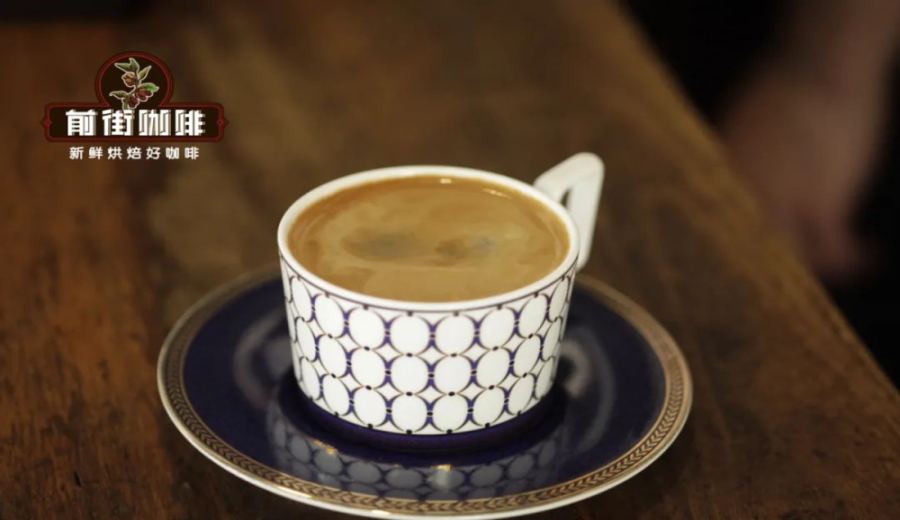
Introduction:Americano is an essential daily pick-me-up for many, but do you know why hot Americano is often perceived as bitter? How do coffee shops choose their beans? This article delves into the historical background of Americano, common recipe ratios, and from a practical perspective recommends blends and single-origin beans suitable for brewing Americano. It also provides detailed extraction parameters and flavor profiles to help you brew a balanced and smooth black coffee at home.
On the ordering charts of most coffee shops, Americano almost always ranks near the top. Not only is it quick to make and affordable, but its pure black coffee flavor also makes it a daily energizer relied upon by many office workers. This beverage, made by diluting espresso with hot or cold water, may seem simple, yet it holds many details worth exploring. From bean selection and roast level to brewing ratio, each step affects the final flavor.
When it comes to the origin of Americano, it is actually closely tied to American history. As early as the 18th century, in opposition to Britain’s high tea taxes, the famous Boston Tea Party took place, after which drinking coffee gradually became the norm. By World War II, American soldiers diluted espresso with water to suit their taste preferences, a practice that was later brought back to the United States and popularized in local coffee shops, eventually evolving into the Americano we know today.
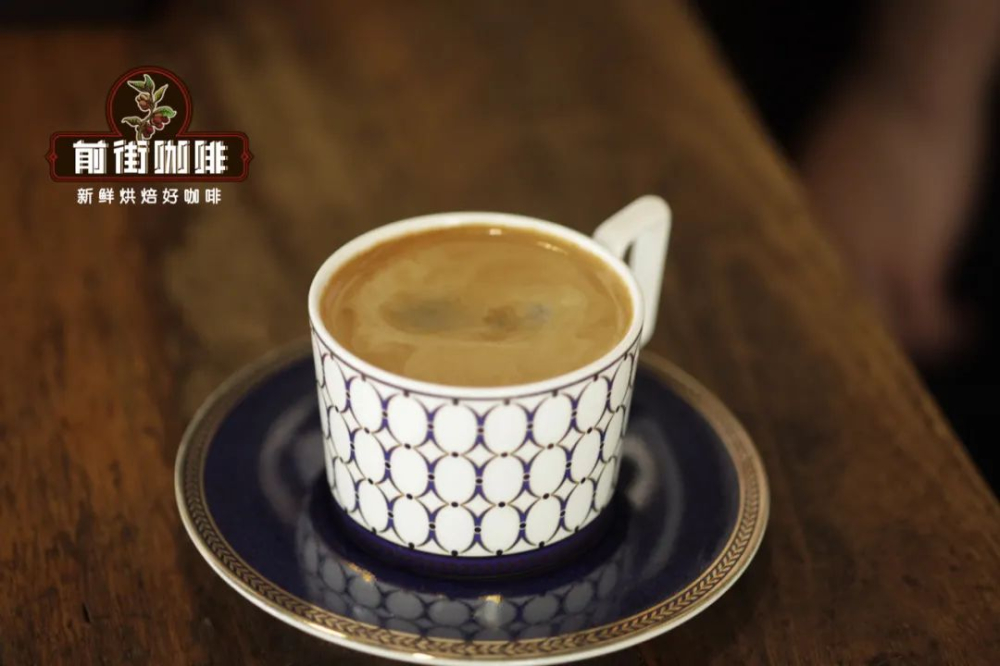
The so-called Americano refers to black coffee made by diluting espresso extracted from an espresso machine with hot or cold water in proportion. A common hot Americano is typically made by extracting about 40 grams of espresso from around 20 grams of coffee grounds, then diluting it with approximately 240 grams of hot water at around 88°C in a 1:6 ratio. For iced Americano, part of the hot water can be replaced with ice and room temperature water, with a common ratio being 120 grams of ice and 120 grams of room temperature water. It’s recommended to drink it before the ice fully melts to enjoy the best flavor.
The flavor profile of Americano largely depends on the coffee beans used. Most coffee shops aim for balanced and stable flavors and therefore often use specially blended espresso beans. For example, a common blend combines Ethiopian sun-dried Red Cherry and Honduran whiskey barrel-aged Sherry coffee beans in a 3:7 ratio. This blend delivers layered flavors of wine, vanilla, fruity acidity, and roasted nuts. Additionally, when such blends are used to make hot lattes, they often showcase a smooth chocolatey character.
Blended beans are widely used in Americano mainly because they can complement the characteristics of beans from different regions to achieve a coffee that is both aromatic and balanced in taste. Generally, these blends are medium to dark roasted, not only bringing out intense flavors during espresso extraction but also avoiding excessive sharp acidity or thin body, resulting in a more stable and everyday-friendly cup.

Besides traditional blends, in recent years, more and more coffee enthusiasts have experimented with using single-origin espresso (SOE) to make Americano. SOE refers to espresso made from beans of a single origin, usually medium to medium-dark roasted, preserving the unique flavor characteristics of that region, such as bright fruit acidity, floral and fruity notes, or distinctive sweetness. However, because SOE is more sensitive under high pressure and high temperature extraction, it demands stricter control over grind size, water temperature, and pressure. Beginners are advised to start with blends before gradually exploring the variations of single-origin beans.
If you want to make Americano at home by yourself, choosing the right coffee beans is key. Whether you go for blends or single origins, you should prioritize bean freshness and your personal taste preference. It’s recommended to select beans roasted within five days to ensure the flavors are at their peak. Below are several practical recommendations covering different styles and roast levels, making it easy for you to choose based on your preference.
For blends, consider the following cost-effective options: First is a blend of Colombian washed and Brazilian semi-washed beans in a 3:7 ratio, delivering a rich profile of nuts, dark chocolate, and caramel; another option is a mix of Robusta, Colombian, and Brazilian beans, suitable for those who enjoy strong cocoa and nut flavors; there’s also a blend composed of Yunnan small-seed coffee and Brazilian beans, which has a softer profile with a balance of fruity acidity, caramel, and nuts, ideal for beginners.
If you prefer making Americano with single-origin beans, it’s recommended to choose beans roasted medium-dark or darker to ensure stable extraction and reduce overly intense flavors. For example, Brazilian Queen Estate medium-dark roasted beans, when brewed as Americano, offer aromas of roasted nuts, hazelnut biscuits, and lingering notes of dark chocolate and caramel; Costa Rican Mozart, processed with honey, is sweet and produces an Americano full of fruity berry and raisin acidity paired with elegant rose notes; Ethiopian sun-dried Red Cherry stands out with high sweetness and clarity, featuring pronounced berry acidity and caramel flavors, suitable for those who enjoy vibrant fruitiness.
The above content is compiled by CoffeeHunters, a coffee news website.


