







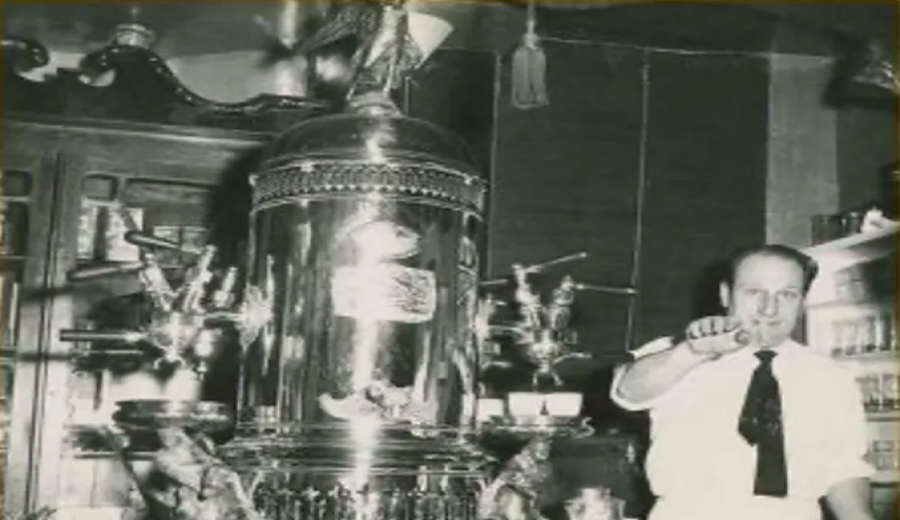
Introduction:To understand the origins of the espresso machine, let’s start with the birth of the first vertical espresso machine by Bezzera in 1901. This article delves into the design philosophy, patent background, and how this groundbreaking machine shaped the flavor and cultural status of modern espresso. From royal collections to the daily tools of baristas, step into the century-long legacy of Bezzera.
In the deep world of espresso, it is not just a beverage but also a crystallization of craftsmanship and culture. To trace the roots of it all, we must mention an engineer who changed the history of coffee—Italy’s Luigi Bezzera. In the late 19th and early 20th centuries, after countless experiments and refinements, he finally succeeded in creating the world’s first vertical espresso machine in 1901 and obtained a patent in Milan, marking the official arrival of the espresso machine era.
The birth of this machine was not only a technological breakthrough but also filled a long-standing gap in the history of Italian coffee machine manufacturing. Unlike other bulky equipment of the time intended solely for public use, Bezzera’s design combined craftsmanship aesthetics with practical performance, not only improving the extraction efficiency of coffee but also laying a solid foundation for the subsequent evolution of espresso machines.
It is worth mentioning that the 1901 prototype was publicly unveiled at the Milan Exposition in 1906 and won a gold medal. Its success lay not only in its technological innovation but also in the forward-thinking nature of its design philosophy, which made it a reference and model for numerous coffee machine manufacturers in the following decades, further propelling the vigorous development of the entire espresso industry.
The brand history of Bezzera can be said to be a microcosm of the development history of the espresso machine. As one of the oldest surviving espresso machine brands, Bezzera remains beloved by European royalty, Middle Eastern nobility, and globally renowned figures to this day. From Sophia Loren to Warren Buffett, countless connoisseurs regard it as a symbol of taste and craftsmanship, even listing it as a treasured item in their private collections.
A high-quality espresso machine can not only extract the essence of coffee but also showcase the potential and regional flavors of the beans. Early Bezzera models used steam pressure principles, which differ from today’s hot water pressure systems, but their core spirit—extracting quickly under high pressure to achieve a rich and layered coffee liquid—remains the golden standard of espresso to this day. Typically, modern espresso machines operate at an extraction pressure between 9 to 10 bar, with temperature controlled between 90 to 96°C. The precise mastery of these parameters stems from the continuous optimization of early technologies.
In the eyes of coffee enthusiasts, a shot of espresso made by a Bezzera machine is not just a beverage but also a sensory feast. Its intense aroma, rich body, and delicate crema layer all demonstrate the perfect combination of machine and barista skill. When you savor that moment, you can almost feel the convergence of centuries-old craftsmanship and modern technology, as well as every barista’s relentless pursuit of perfection.
To this day, Bezzera is not just a brand but also a symbol—symbolizing a commitment to coffee quality, respect for craftsmanship aesthetics, and a dedication to balancing tradition with innovation. Whether you’re a café owner, a barista, or an amateur coffee enthusiast, you can draw inspiration and insight from Bezzera’s history and technology.
The above content is compiled by CoffeeHunters, a coffee news website.


