







Introduction:Light roast coffee originates from Northern Europe. By using high temperatures and fast roasting, it preserves the beans’ original flavors, showcasing bright acidity and fruity floral notes, but it demands high brewing skill. This article delves into the definition and roasting principles of Nordic light roast, compares it with medium-light and Japanese dark roast, and explores its challenges and suitable audience to help you find the most fitting coffee experience.
Have you heard of “light roast coffee”? This roasting method from Northern Europe uses high heat and short duration to quickly roast the beans, preserving their utmost acidity and fruitiness, often described as refreshing like sipping tea or juice. However, compared to the rich and full-bodied profile of Japanese dark roast, light roast emphasizes regional characteristics and a lighter mouthfeel. Many coffee enthusiasts wonder why self-roasting brands don’t offer light roast options. This article will deconstruct the definition, features, and production challenges of light roast from aspects such as roasting rhythm, chemical reactions, and practical brewing difficulties, while comparing it with medium-light and Japanese dark roast to clarify the flavor differences and help you choose the coffee that suits your taste best.
Customers often ask: “What’s the roast level of your coffee beans?” If the answer is “medium-light,” many will follow up asking if there’s a light roast option, and the answer is usually no. This reflects an actual difference in food culture: in Chinese eating habits, “well-done” often signifies deliciousness, but light roast is like a three-minute steak in Western cuisine—slightly charred on the outside but potentially full of surprises inside, especially for those unfamiliar with this style, who may face greater challenges in extraction or flavor understanding.
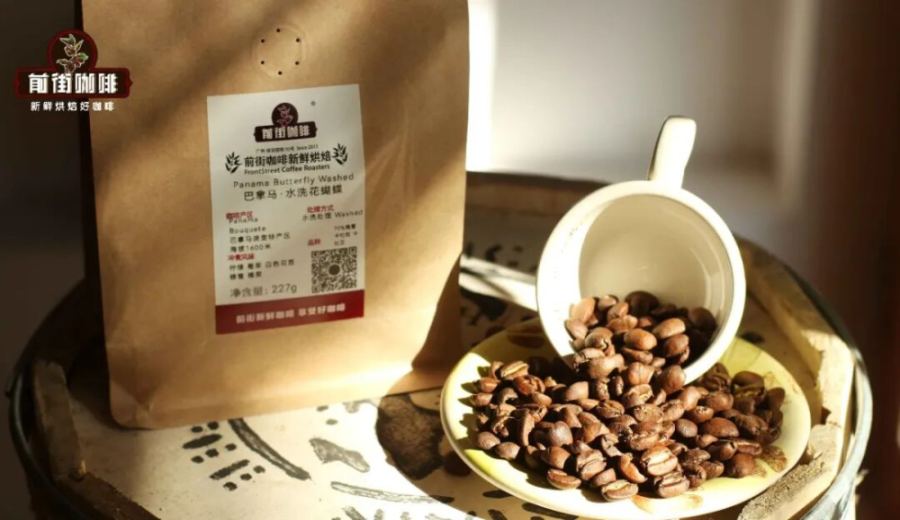
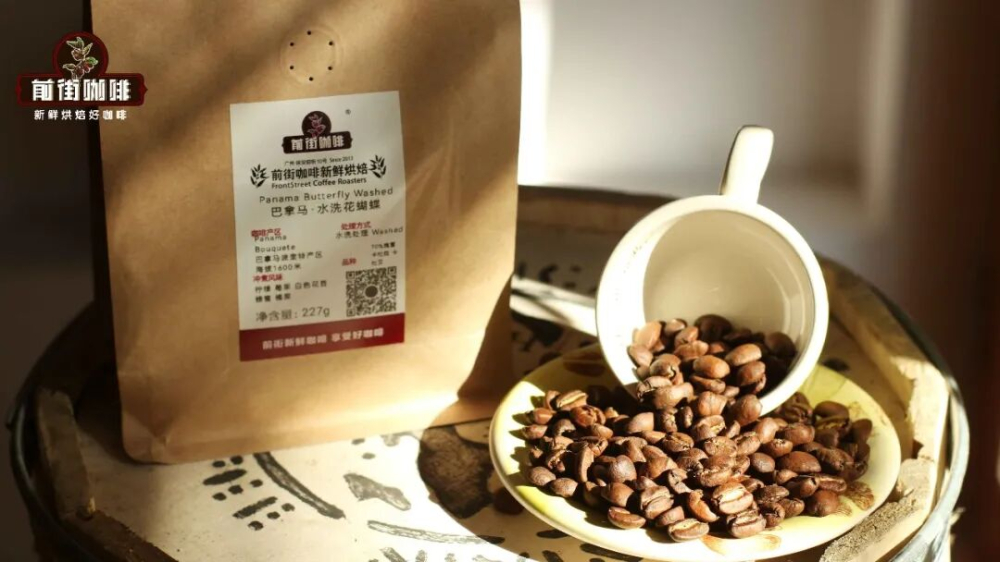
So, where does light roast coffee actually originate? The term “light roast” comes from “Nordic Roast,” also known as Nordic light roast, which emerged around 2004 in Nordic countries such as Norway, Sweden, and Denmark, becoming a unique school in coffee roasting. This style is mostly used on single-origin specialty beans from Africa or the Americas, aiming to showcase the beans’ “regional character” to the extreme. The roasted beans typically appear yellowish with a light brown hue, feeling dry with almost no oil sheen. Ideally, light roast highlights the beans’ bright acidity, delicate floral and fruity aromas, and a light, clean aftertaste, often described as a refreshing sensation akin to tea or juice.
However, such coffee often appears lighter in color and thinner in body when brewed as espresso or with milk, and the acidity becomes more pronounced. For those unaccustomed to this style, the challenge of light roast lies in requiring more precise brewing conditions and techniques to fully bring out its subtle flavors. As a result, many first-timers may find this type of coffee “particularly hard to brew,” and it can even easily develop sharp acidity due to under-extraction.
How does light roast differ from other roasting methods? In the coffee roasting process, the “first crack” is generally considered the indicator that the beans are “done,” and the timing of the first crack determines the final roast level. Generally speaking, the earlier the first crack occurs, the lighter the roast; the later, the darker. Commonly seen roast classifications in the market can be roughly divided into three types: light roast, medium roast, and dark roast. Light roast beans have a light brown appearance, with noticeable acidity, such as a certain brand’s Yirgacheffe; medium roast is chestnut-colored, with balanced acidity and bitterness, like a certain brand’s blackberry series; dark roast is dark brown, with intense and bitter flavors, such as a certain brand’s Mandheling. Understanding these three basic styles helps choose suitable beans based on personal taste and brewing methods.
But Nordic light roast is not simply about shortening the roasting time. Compared to Japanese dark roast, which uses low heat and slow roasting to emphasize the rich aroma and full-bodied texture built up over time, Nordic light roast pursues “fast, accurate, and decisive,” utilizing high heat and strong fire to quickly pull the beans out as soon as they enter the first crack stage. This reduces caramelization and Maillard reactions, preserving the beans’ original acidity and fruity tones, making their flavors more distinctive while preventing bitterness from masking the details. However, this roasting technique places extremely high demands on green bean quality and requires the roaster to possess excellent skills; otherwise, it can easily amplify the beans’ flaws.

From a professional perspective, the transformation of coffee from green to roasted beans is not merely about heating but involves complex chemical reactions influenced by temperature, time, and roasting stages. These reactions directly affect the beans’ appearance, aroma, acidity-sweetness-bitterness balance, body, and oil expression. Therefore, the key to Nordic light roast is not just shortening the time but also comprehensively considering equipment performance, roasting parameters, and color value control to consistently present its unique flavors.
Then, why don’t self-roasting brands like a certain one offer light roast coffee beans? One reason is that the mainstream domestic consumers, especially those who prefer home brewing, favor coffee that performs well under standard brewing conditions. For example, a certain brand’s little tomato beans use medium-light roasting to enhance berry, Asian pear, and plum acidity, while moderately caramelizing to boost body and viscosity, allowing pour over, cold brew, or simple immersion to showcase ideal Kenyan flavors.
In addition, consumers using espresso machines mostly prefer milk pairings, thus tending to choose medium-dark or dark roast beans with low acidity, full body, and prominent caramel notes. Light roast beans, with their high acidity and short development time, can easily exhibit sharp acidity and uneven extraction if not properly brewed, making them less ideal for users seeking balanced milk coffee flavor. More importantly, improperly roasted light roast may result in an “undercooked” grassy or astringent taste, losing the very essence of showcasing regional character.
The above content is compiled by CoffeeHunters, a coffee news website.


