







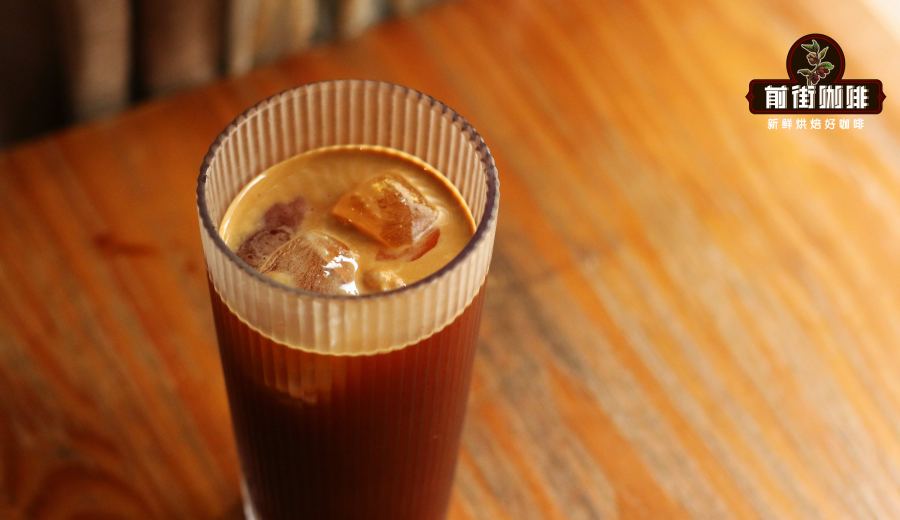
Introduction:Although Americano is made only with espresso and water, it serves as an important benchmark for evaluating coffee extraction skills. This article delves into the techniques for making both hot and iced Americanos—from grind-to-water ratio, crema management to ice pairing—guiding you step-by-step to master professional-level home brewing. Whether you’re a beginner or an enthusiast looking to refine your brewing technique, you’ll find practical tips and inspiration here.
Many people assume that making an Americano is simple—just add water to espresso—but this seemingly basic drink is actually a key test of a barista’s extraction proficiency. By gaining a deeper understanding of the composition and proportions of an Americano, you can not only recreate professional-grade flavors at home but also better grasp the fundamental logic behind espresso-based drinks.
An Americano can be considered the most minimalist type of espresso beverage, primarily consisting of espresso and hot water. For an iced Americano, ice is added as well. Though the composition is simple, precisely because of this, every detail directly impacts the final outcome. In particular, the extraction conditions of the espresso greatly influence the resulting flavor profile.
For example, the choice of coffee beans affects the flavor profile, while extraction time, pressure, and the coffee-to-water ratio are crucial factors. It is generally recommended to fine-tune the extraction based on the current state of the beans to ensure balanced performance across different beverages, such as espresso, Americano, or even latte. Taking common blends as an example, after an appropriate resting period, they often exhibit optimal aroma and complexity during extraction.
In practice, when making a hot Americano, it’s advisable to preheat the cup with hot water first. This helps maintain the coffee’s temperature and enhances its overall flavor. Next, pour in preheated hot water, and finally add the extracted espresso. Regarding the coffee-to-water ratio, after multiple tests and adjustments, a 1:6 ratio is recommended—that is, 40 grams of espresso liquid paired with 240 grams of hot water. This proportion delivers a balanced yet layered taste.
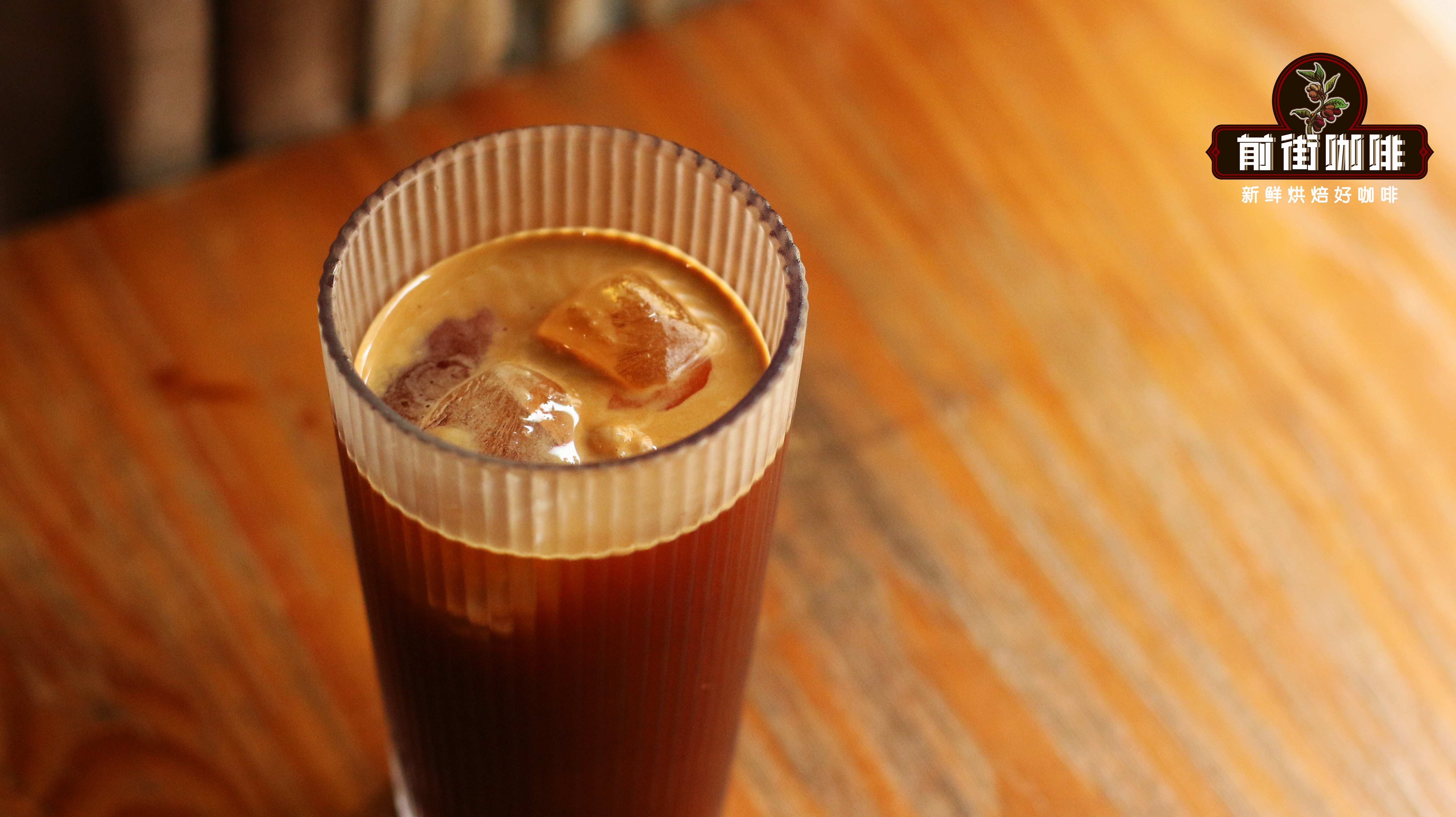
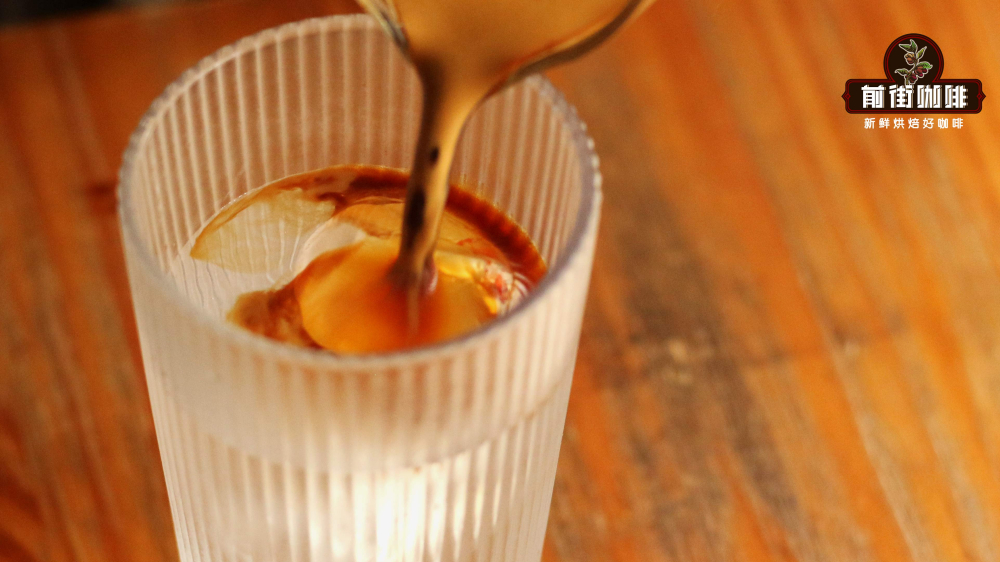
As for iced Americano, the addition of ice requires special attention to the balance between temperature and dilution. It’s suggested to pre-chill the cup with a sufficient amount of ice, then pour in an appropriate amount of water before adding the espresso. For the ratio, a 1:7 coffee-to-water ratio is advised—using 40 grams of espresso liquid mixed with a total of 280 grams of ice water, which includes approximately 180 grams of ice and 100 grams of room-temperature water. This ensures that even as the ice melts, the flavor and strength remain well-preserved.
Many coffee enthusiasts often ask whether they should skim off the layer of crema on the surface of the coffee. This layer, known as crema, is a foam formed during high-pressure extraction when carbon dioxide combines with coffee oils. The presence of crema gives the coffee a richer texture, but it may also make the mouthfeel feel slightly heavier to some.
Practical testing has shown that scraping off this layer of crema results in a cleaner and smoother taste, particularly suited for those who prefer a lighter flavor profile. On the other hand, retaining the crema brings a more intense and fuller body, along with complex flavors such as dark chocolate and subtle whisky-barrel notes. Both options have their unique appeal, so it’s recommended to decide whether to remove the crema based on personal taste. If you’re aiming for a smoother experience, try removing it; if you prefer a richer style, keeping it is the better choice.
In summary, making the perfect Americano involves not only mastering espresso extraction but also paying attention to details like the coffee-to-water ratio, temperature control, and ice pairing. Whether you choose a hot or iced version, by grasping these key points, you can easily enjoy a professional-grade Americano experience at home.
The above content is compiled by CoffeeHunters, a coffee news website.


