








Introduction:Want an Americano that’s not acidic, but rich with nutty and chocolatey aromas? This article delves into the sources of coffee acidity, the relationship between dark roasts and blends, and explains how to avoid over-extraction or under-extraction based on brewing principles. It also selects 5 best-selling espresso blends on the market that are ideal for making low-acidity Americanos, detailing their flavor profiles, crema performance, and suitable scenarios—whether you’re brewing at home or in a café, you’ll find the right option here.
Americano is an essential daily beverage for many office workers and coffee enthusiasts, whether hot or iced, it can quickly refresh the mind. However, since coffee beans are agricultural products, each batch naturally has slight variations in flavor. Some people prefer the richness and low acidity brought by dark roasts, while others find any acidity hard to accept. If you’re looking for an Americano coffee bean that isn’t noticeably acidic, yet offers flavors like nuts, chocolate, or even cookies, this article will start with the basics such as roast level, causes of acidity, and extraction techniques, then explain the differences between SOE and espresso blends, and finally recommend several blends with strong sales and excellent flavor performance for your reference.
 In many cafés, Americano often holds an important place—especially in summer, an iced Americano is the go-to pick-me-up for many. For many people, coffee isn’t just a stimulant, but also a symbol of lifestyle rhythm, whether used to enjoy a moment of tranquility or to fight off drowsiness after staying up late, it has become the “daily staple” for many.
However, because coffee beans are agricultural products, each batch of raw materials and roasting conditions varies, so flavor performance naturally differs. Even the same bean can present completely different taste profiles under different brewing methods or conditions. Mastering some basic extraction and roasting knowledge allows you to more consistently enjoy a well-balanced Americano.
When it comes to Americano, many people’s first impression is “bitter,” but if you taste a noticeably sour or astringent Americano, you might start to wonder if the beans are too old or if there’s an issue with the roast. In reality, coffee beans contain various organic acids, such as citric acid, malic acid, and chlorogenic acid. These acids are more pronounced in light roasts, but as the roast level deepens, the acidity gradually transforms or is masked by caramelization reactions. Therefore, most Americanos made from dark-roasted coffee have significantly reduced acidity, instead emphasizing warm-toned flavors like caramel, chocolate, and nuts.
It’s worth noting that during extraction, the release speeds of bitterness, sweetness, and acidity are not the same. Generally, acidic substances are the first to dissolve, followed by sweet substances, and finally bitterness. If an Americano tastes overly acidic, it’s usually because the extraction time was too short, and the sweet and bitter substances hadn’t been released before pouring, which is typically referred to as “under-extraction.” Conversely, if the coffee tastes excessively bitter and astringent, it may be due to over-extraction, where the bitter substances were released for too long.
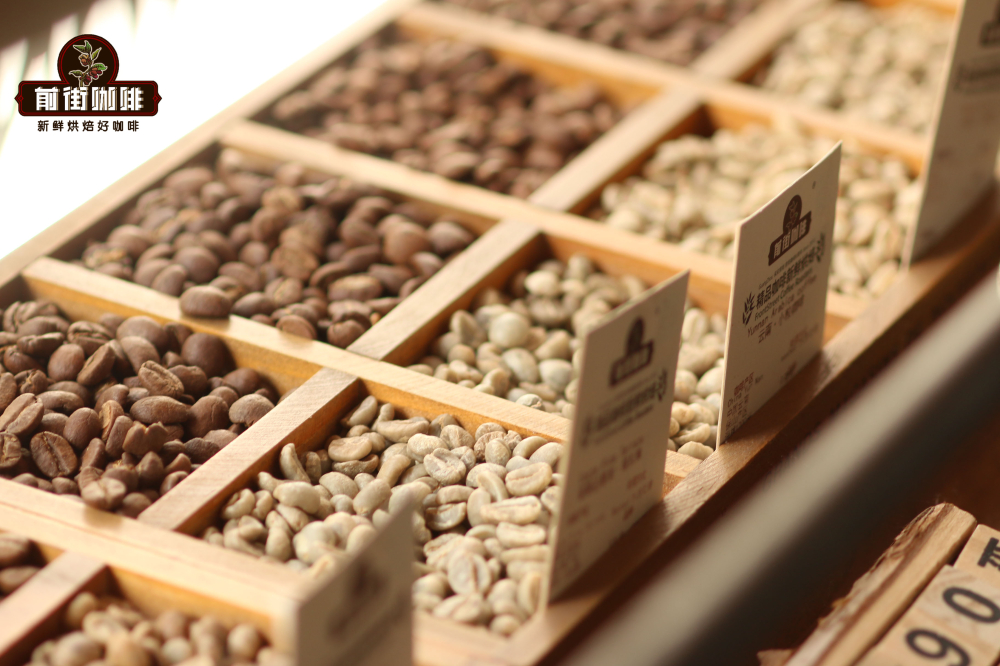 Nowadays, more and more cafés are offering Americanos made with Single Origin Espresso (SOE), which emphasizes the unique characteristics of beans from a specific origin—such as bright citrus, floral notes, or tea-like qualities. However, these flavors often have more pronounced acidity, which may not suit those who dislike sourness. If you prefer a low-acid and rounded flavor profile, it’s recommended to choose medium to dark roast espresso blends. These typically combine beans from multiple origins, focusing on balanced and stable flavors.
When selecting coffee beans, it’s advisable to choose freshly roasted medium to dark roast blends, with a roast date preferably within 7–21 days—this period is considered the “golden window” for optimal flavor expression. Also, pay attention to storage: it’s recommended to use foil packaging with a one-way valve to prevent moisture and oxidation from affecting the flavor.
Based on market sales data and actual brewing feedback, here are several recommended espresso blends that are suitable for making non-acidic Americanos and offer stable flavor performance:
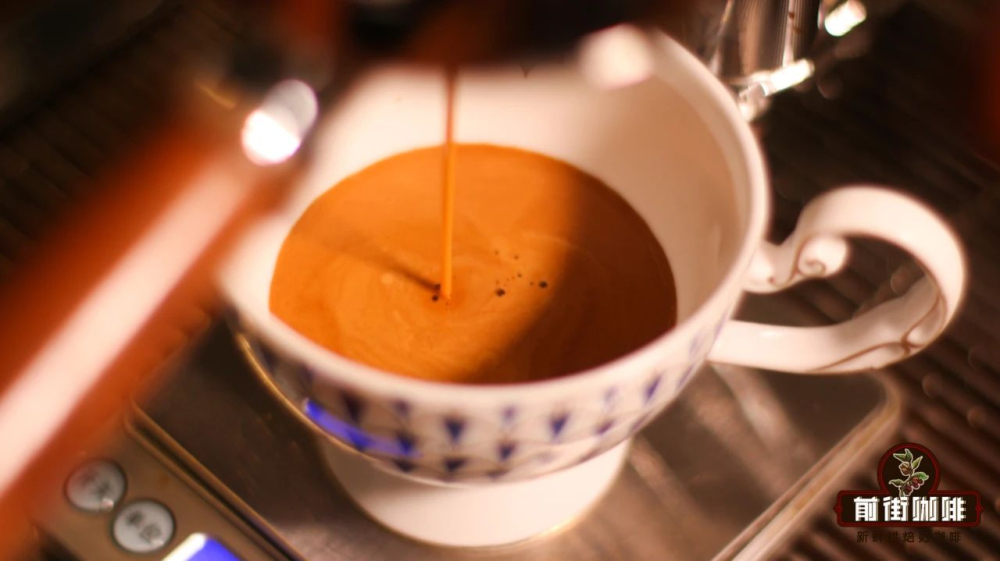
1. Classic Espresso Blend
Composed of Brazilian Red Bourbon, Indonesian Mandheling, and Vietnamese Robusta, this blend emphasizes rich caramel, dark chocolate, and malt sugar aromas, with a thick crema and a distinct roasted nut character. The spices and woody undertones from the Indonesian Mandheling blend seamlessly with the balanced nuttiness of the Brazilian beans, while the Robusta adds extra crema, making it ideal for milk-based drinks like lattes, producing fine microfoam and a layered flavor.
2. Dark Cocoa Espresso Blend
Blended with Yunnan washed beans and Brazilian semi-washed beans, this blend has a gentle flavor profile, featuring low-acidity fruity notes, caramel sweetness, and a nutty finish. This bean offers great value for money, suitable for daily heavy consumption or for those on a budget who still want consistent performance. It’s also recommended for beginners practicing espresso extraction at home.
3. Premium Espresso Blend
Combining Colombian washed beans and Brazilian semi-washed beans, this blend delivers distinct nutty, dark chocolate, and caramel flavors. It’s suitable for daily use at home or in cafés, with high stability and easy control over extraction parameters.
4. Commercial Espresso Blend
This blend includes Robusta, Colombian, and Brazilian beans, with a flavor profile centered on nuts, cocoa, and caramel. It offers a balanced taste, outstanding cost-performance, and is a stable choice for many cafés’ daily offerings—ideal for high-traffic foodservice environments.
The above content is compiled by CoffeeHunters, a coffee news website.


