








Introduction:Nayuki’s newly launched drink, “No Sugar Added · Nayuki Black Grape,” claims to contain zero added sucrose, with all sweetness derived from fruit. However, its overly sweet taste has sparked widespread discussion. Just how high is the sugar content in concentrated fruit juice? What easily overlooked details lie behind this “healthy marketing” strategy? This article takes an in-depth look at the common sugar-substitute tactics in the tea beverage industry and explores how to strike a balance between flavor and health.
Nayuki recently introduced a new product called “No Sugar Added · Nayuki Black Grape,” marketed as “0 added sugar” and emphasizing that all sweetness comes entirely from the fruit itself. However, after its launch, many consumers reported that the drink was surprisingly sweet—some even described it as tasting like a drink with seven or ten teaspoons of sugar—sparking heated online discussions.
According to the brand’s official statement, the drink does not add any extra sucrose, and all sweetness comes from the fruit itself, with the slogan “Good fruit tea, no added sugar.” In reality, however, the drink contains concentrated apple juice, which has a naturally high fructose content—this is the main reason for its unexpectedly high sweetness.
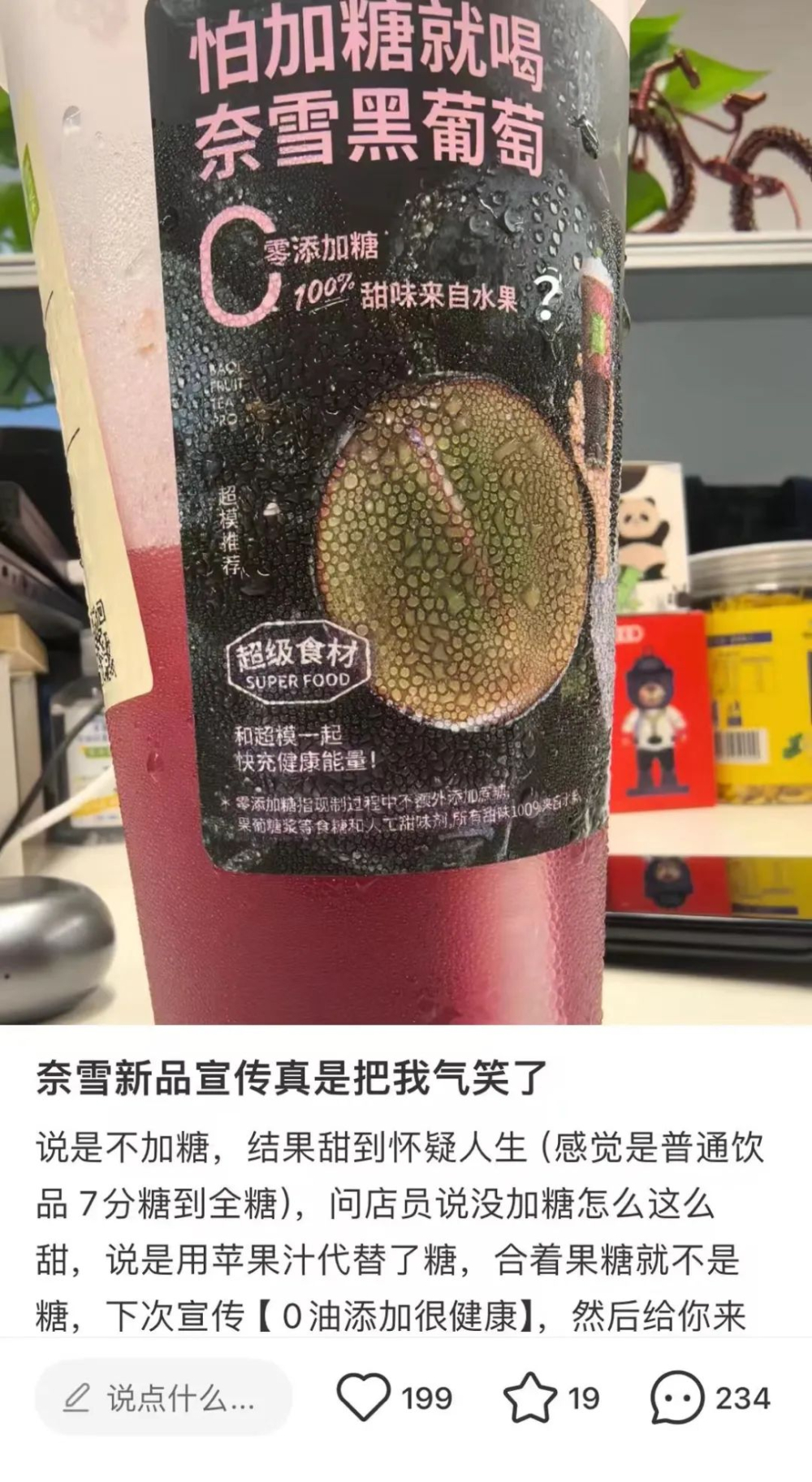
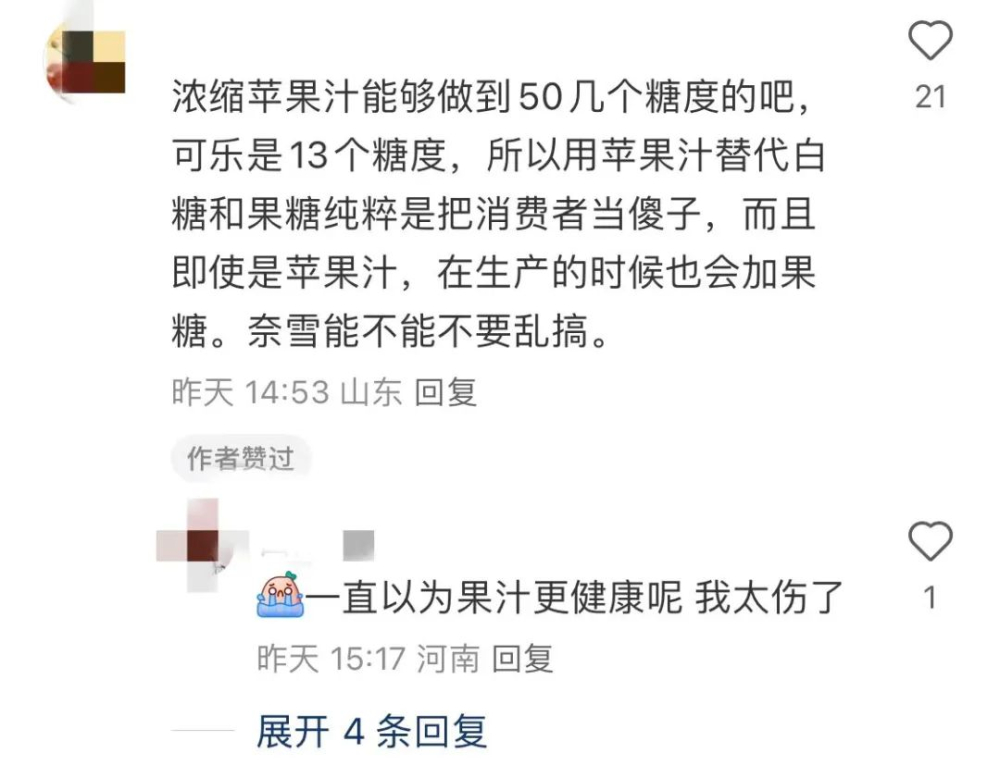
Nutrition experts have pointed out that the sugar content of concentrated apple juice can even exceed 50, meaning that even without added sucrose, the actual sugar level in the entire drink remains non-negligible. Many consumers have long held the impression that juice is “natural and worry-free,” but in fact, the natural sugars in juice can also cause blood sugar levels to spike quickly.
This phenomenon reflects a common marketing strategy in the tea beverage market: leveraging consumers’ trust in the concept of “natural” by using high-sugar fruit ingredients to maintain the drink’s sweetness while still being able to label it as “healthy” or “no added sugar.” This approach is similar to certain brands’ strategies of hiding additives in their ingredients—on the surface, it seems to meet health-conscious demands, but in reality, it may not be the case.
 Notably, many consumers do not understand the actual sugar content of concentrated juice, and some even mistakenly believe that “juice is definitely healthier than sugar.” In reality, the fructose in juice can also affect blood sugar levels, and because it comes from natural fruit, it makes it easier for people to overlook portion control.
So why don’t tea beverage brands directly indicate the actual sweetness level of their drinks or offer truly low-sugar options? This involves a trade-off between market demand and health appeals. The overall beverage market generally prefers sweeter tastes, and if low-sugar is overly emphasized, it may affect the product’s market acceptance. As a result, many brands choose to market their drinks based on “healthiness” rather than actually adjusting their formulations.
Some consumers also argue that criticism of Nayuki’s new product is somewhat “nitpicky.” They point out that apple juice is a natural ingredient, and its sugar content is normal—as long as no refined sugar is added, it shouldn’t be considered misleading. This viewpoint suggests that consumers should have a basic understanding of drink ingredients rather than relying entirely on brand marketing.
In summary, the controversy surrounding Nayuki’s new product highlights common tactics in the tea beverage market’s “healthy marketing,” and reminds consumers that when choosing drinks, they should not make decisions based solely on packaging claims, but should pay more attention to actual ingredients and nutritional information. For those pursuing a healthy diet, understanding the real story behind beverages is key to making more informed choices.
The above content is compiled by CoffeeHunters, a coffee news website.


