







Introduction:Dive deep into the historical background, regional distribution, and classic processing methods of Sumatra Mandheling. From Lintong Mandheling to PWN Golden Mandheling, explore their unique flavor profiles and optimal pour over parameters. This article takes you on a comprehensive journey—from flavor characteristics and processing techniques to practical brewing skills—to fully grasp the allure of this iconic Indonesian coffee.
When it comes to Indonesian Sumatra coffee, "Mandheling" is almost the first name that comes to mind. Known for its full-bodied texture and distinctive herbal aroma, this coffee has long become a classic favorite among global coffee enthusiasts. This article not only reviews the historical development and regional origins of Sumatra coffee but also delves into the etymology of the name "Mandheling," along with the area’s most representative processing methods: wet hulling and aged wet hulling. Furthermore, it clearly distinguishes between Lintong Mandheling and PWN Golden Mandheling, while offering practical pour over recommendations and extraction parameters to help you fully experience the multi-layered flavors of this classic coffee.
Sumatra coffee is renowned for its intense earthiness and bold body, traits often reminiscent of herbal or medicinal notes. Among the various Mandheling offerings, besides the most famous Golden Mandheling, there are also options like Lintong Mandheling, Tiger Mandheling, and Aged Mandheling. Lintong Mandheling represents the mainstream flavor profile of Sumatra, Tiger Mandheling is less common but boasts a more expressive aromatic complexity; whereas Aged Mandheling is matured over a long period, resulting in a rounder and richer flavor. As one of the world’s major coffee-producing countries, Indonesia comprises over ten thousand islands, with Sumatra being a key region for Arabica production. Although Indonesia mainly produces Robusta—accounting for about 90% of total output—Sumatra’s Mandheling stands out as a premium Arabica, beloved by consumers worldwide.
Sumatra coffee first entered the international market in the 1970s, when international brands promoted its strong earthy aroma and bold texture as representative of Sumatran flavor. However, over-roasting can easily amplify herbal and burnt-bitter notes, so it’s advisable to control the roast level moderately to highlight its delicate aromas. One coffee brand has long invested in cupping research, building a comprehensive flavor database through comparisons of different regions, varieties, and processing methods, thereby helping coffee lovers explore the unique characteristics of each origin more deeply.
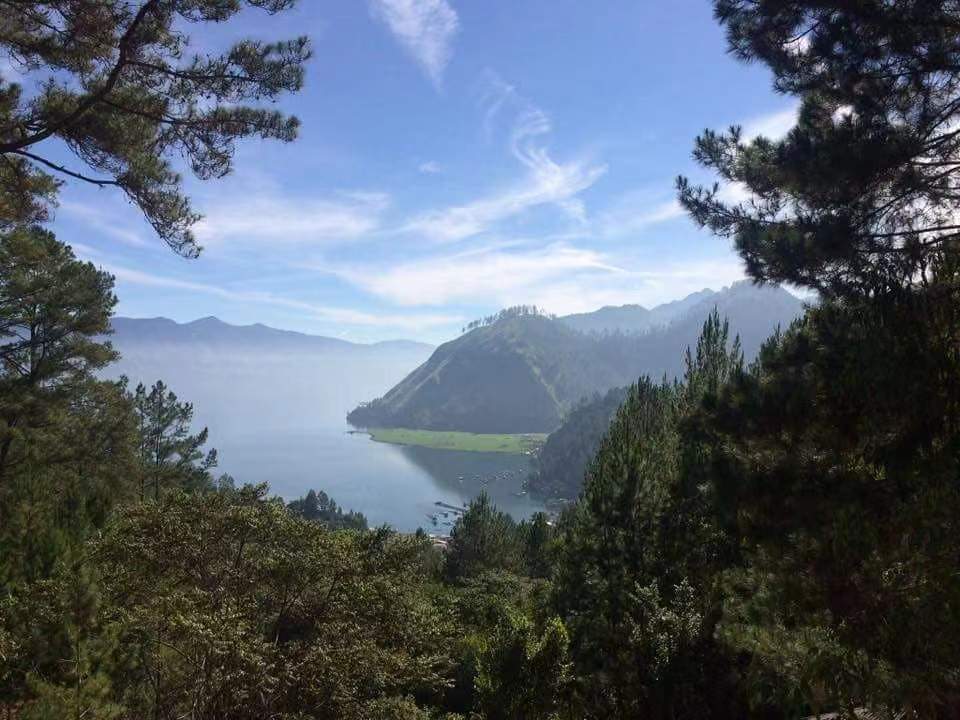
When discussing Mandheling, the “Two Lakes, Two Mandhelings” classification is often mentioned: Lake Toba and the Lintong region in northern Sumatra, where coffee cultivation began earlier, are regarded as the “Old Mandheling”; while Lake Tawar and the Gayo highlands in Aceh province are seen as rising stars, referred to as the “Young Mandheling.” This classification reflects not only the historical development of the regions but also influences the flavor profiles of their coffees.
The history of Sumatra coffee dates back to 1696, when Dutch colonists introduced coffee to Indonesia and established plantations on Java Island. Over time, Sumatra gradually became the representative coffee-producing region of Indonesia, particularly Mandheling. Although the name does not derive from a coffee variety, it has become a symbol of the coffee from this land. Interestingly, the term "Mandheling" originally referred to an Indonesian ethnic group. It is said that after World War II, Japanese soldiers brought it back via traders who mistakenly associated it with coffee, eventually turning it into today’s iconic label. The PWN company, now widely known as Pwani Coffee, was one of the key players that helped introduce Mandheling to the international market.
The most representative processing method of Sumatra coffee is undoubtedly “wet hulling.” Due to the region’s rainy climate, limited sunlight, and economic constraints, traditional sun drying or costly washed methods are difficult to implement, leading to the development of this unique process. Wet hulling mainly consists of two stages: first, the coffee fruit's skin and pulp are removed, followed by a short fermentation period, reducing the moisture content to 30%–50% in a semi-dry state; then the mucilage and parchment layers are removed, and the beans are further dried to a moisture level of 12%–13%. This method not only accelerates the drying process but also contributes to Mandheling’s signature low acidity, full body, and rich earthy aroma.
In addition to standard wet hulling, there is also “aged wet hulling,” where processed coffee beans are stored for 2–3 years, with regular turning to prevent mold. During this maturation period, acidity gradually decreases while sweetness and sugar transformation become more pronounced, ultimately yielding a deeper flavor and yellowish-brown appearance. A certain brand’s Aged Mandheling is produced using this method, resulting in a more rounded and layered flavor.
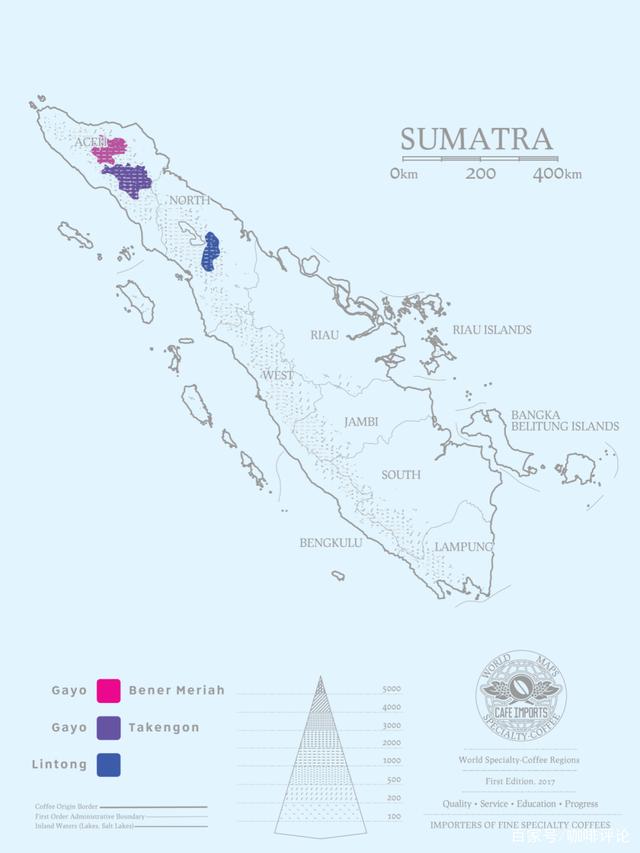
Lintong Mandheling is grown in the Lintong mountainous region of central-northern Sumatra, near Lake Toba, and is the most representative regular version among Mandheling offerings. This region also employs the wet hulling method, with flavors characterized by low acidity and high body. However, because the green beans remain semi-hard during processing, they are prone to developing hoof-like cracks—commonly known as "hoof beans"—during the hulling stage. Though not a defect, this trait is one of the hallmark features of Lintong Mandheling and does not affect overall flavor performance.
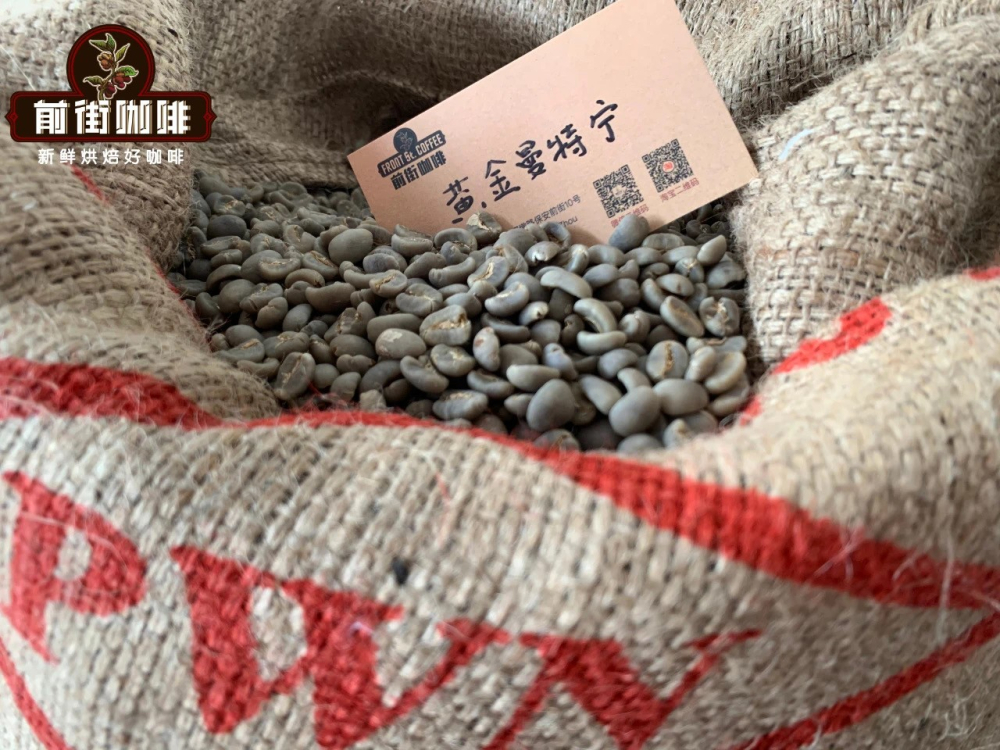
As for PWN Golden Mandheling, it is a high-end brand under Indonesia’s Pwani Coffee Company (PWN). This coffee not only adheres to strict defect screening standards but also sets high benchmarks for bean size, density, and color. Ultimately, only uniformly sized, large, and translucent top-grade beans are selected. The “Golden Mandheling” available on the market is only authentic when produced by PWN; buyers can identify it by the PWN logo on the jute sack and official origin certification. The Golden Mandheling offered by a certain brand is G1 grade, with selection criteria of 18+ mesh, fewer than 3 defects per 300 grams, dark green color, regular shape, and being a flat bean type.
After rigorous processing and selection, PWN Golden Mandheling significantly reduces common earthy and grassy notes, resulting in a cleaner and brighter flavor profile, with distinct sweet and nutty notes. To fully appreciate its rich aroma, it is recommended to choose freshly roasted beans and apply a medium-dark roast to highlight nutty and chocolatey flavors. When brewing, use a medium-coarse grind (about 70% passing through a Chinese standard 20-mesh sieve), paired with a slightly lower extraction water temperature, to avoid over-extraction and unwanted bitterness.
Recommended pour over settings are as follows: use a KONO filter, 15g of coffee, a 1:15 coffee-to-water ratio, and a water temperature of 87°C, with a medium-coarse grind (approximately 70% passing through a 20-mesh sieve). Before brewing, wet the filter to ensure a good seal, pour 30g of hot water for a 30-second bloom, then slowly pour in a circular motion centered around the grounds until reaching 125g for the first pour, then pause. When the coffee bed drops to the middle of the filter, continue pouring to 225g, and let the dripping finish before removing the filter. These parameters help balance the richness and aroma of Golden Mandheling, highlighting caramel sweetness and spicy notes.
The brewed Golden Mandheling delivers prominent flavors of spice, dark chocolate, and nuts, with a full-bodied and well-layered mouthfeel. The finish is long-lasting and sweet, with subtle caramel undertones lingering on the aftertaste. Whether you’re a coffee novice or a seasoned enthusiast, you can experience the unique charm of Indonesian coffee through this classic Sumatra Mandheling.
The above content is compiled by CoffeeHunters, a coffee news website.


