







Introduction:You’ve stocked up on plenty of coffee beans at home but aren’t sure how long they can be stored? This article dives deep into the science behind coffee bean shelf life, helping you understand what the “best-by” period really means and how to tell if your beans have gone bad by using your senses of sight and smell. From storage environments and container choices to the ongoing debate around freezing, we offer practical and detailed advice to help extend the flavor life of your beans and get the best possible extraction.
Many coffee enthusiasts keep a stash of beans at home, but have you ever wondered: how long can these beans actually last? Does the 12-month shelf life printed on the packaging mean they’ll stay at peak flavor until then? The answer isn’t so straightforward. This article will analyze the reasons behind coffee bean deterioration from a scientific perspective, teach you how to identify when beans have lost their freshness, and provide useful storage tips along with an analysis of the pros and cons of freezing—so every cup you brew is as aromatic and complex as it should be.
Just like all food products, coffee beans also have a flavor lifespan. Whether you buy whole beans or pre-ground coffee, they will gradually lose their freshness over time. For pour over or espresso aficionados, this may not be welcome news—but understanding why can help you make smarter storage decisions.
From a chemical standpoint, coffee beans contain a wealth of volatile compounds, including carbohydrates, lipids, amino acids, and more—these are the key components that create aroma and flavor. However, over time, these compounds degrade due to oxidation, temperature, and humidity, causing the once-rich notes of fruit, flowers, or caramel to fade, eventually leaving behind only a dull bitterness.
Many people assume that as long as coffee beans are within the “best before” date printed on the package, they’re safe to drink. In reality, the “optimal flavor window” is often much shorter than the printed date—especially after opening, when beans are exposed to air, moisture, and odors in the surroundings, causing a rapid decline in flavor.
Typically, roasters print an “expiry date” on the packaging, which is usually about 12 months from the roast date. But this date is mainly used for product liability purposes and isn’t an absolute standard for determining whether the coffee is still drinkable. In fact, freshly roasted beans maintain their flavor relatively well while sealed in the original packaging; however, once opened, the aromas will quickly dissipate upon contact with oxygen.
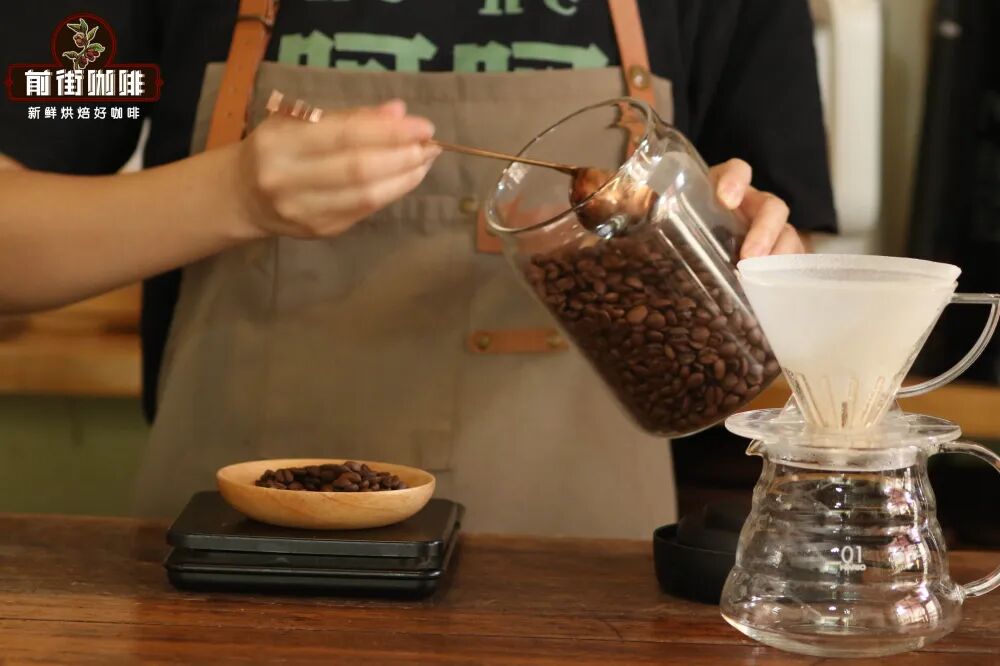
If you’re aiming for the best coffee experience, it’s recommended to choose whole beans and grind them just before brewing. This preserves more aromatic compounds and allows you to adjust grind size according to your brewing method (like pour over, French press, or AeroPress), further enhancing extraction. On the other hand, if your coffee smells bland or has a “stale” mustiness, it’s likely that its essence has faded—opting for a fresh batch might be the better choice.
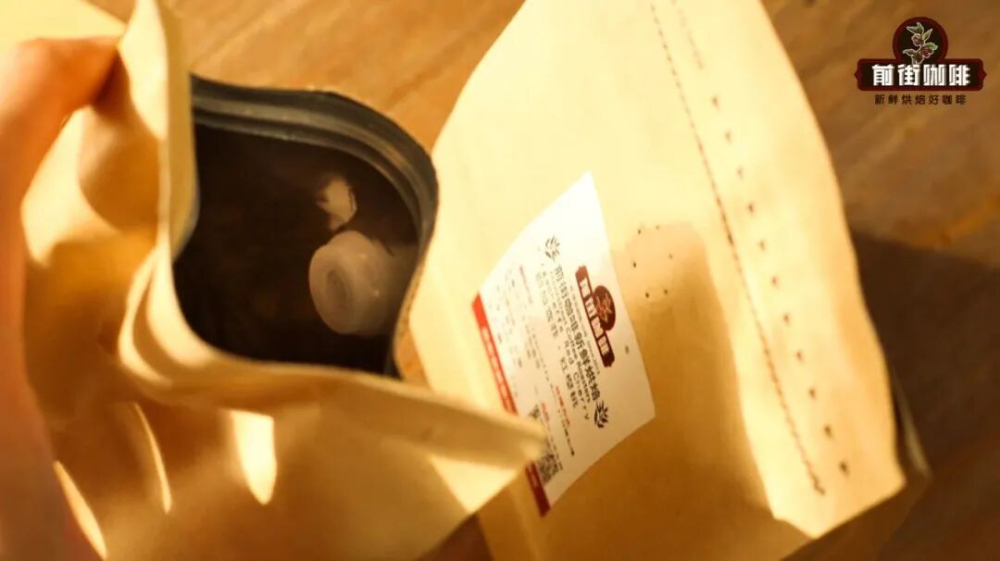
The primary principle of storing coffee beans is to “keep them away from oxygen, moisture, and odors.” The ideal storage method is to keep beans in a sealed container with a one-way valve or in the original packaging, placed in a cool, dry place away from direct sunlight. It’s especially important to note:Humidity is coffee beans’ greatest enemy. Long-term exposure to a damp environment can cause beans to absorb moisture and deteriorate, possibly leading to mold growth, which can seriously impact both health and taste.
Many beginner coffee drinkers consider storing extra beans in the fridge or freezer, believing that low temperatures slow down oxidation. Indeed, according to research by Swiss scientist SAMO SMRKE, freezing can reduce the rate at which beans release gases, theoretically slowing aroma loss and extending the “flavor window” up to 12.5 times. However, in practice, this method comes with several risks.
First, household fridges or freezers are often filled with various food odors, and coffee beans can easily absorb these unwanted smells, resulting in brewed coffee with strange off-flavors. Second, even if the packaging seems airtight, moisture can still seep in, causing the beans to become damp or frosty, further damaging their flavor structure. For specialty coffees that emphasize origin characteristics and subtle flavors—such as Blue Mountain, Geisha, or Mandheling—such changes can completely diminish their rich complexity. Therefore, unless you have very strict temperature and humidity control equipment, it’s not recommended to regularly use freezing as a storage method.
So, how can you tell if your coffee beans have gone bad? The most direct way is to rely on your sense of smell. Fresh coffee beans typically have an inviting roasted aroma—perhaps notes of caramel, nuts, toasted bread, or even mild fruit or floral scents (especially noticeable in light roasts). In contrast, stale beans often emit a dull, dusty, or even musty odor, lacking complexity and failing to spark any desire to brew.
Besides an off smell, visual cues can also help with judgment. If the surface of the beans shows unusual spots, uneven coloration, or visible mold, these are clear warning signs—best to discard them to avoid potential health risks. If you don’t want to waste them, you could also consider using the beans as natural deodorizers for your fridge or wardrobe, making the most of their remaining absorption capacity.
What happens if you drink expired coffee? If you unfortunately end up drinking coffee that’s severely off or spoiled, the worst-case scenario is usually just a very poor flavor—flat and overly bitter—with no direct harm to your body (unless the beans are moldy). However, to truly enjoy the layered aromas and flavors that coffee offers, it’s best to choose freshly roasted beans that have been properly stored—so you can experience the full charm of coffee.
Finally, choosing the right storage container is crucial. If you’ve bought unopened beans and plan to finish them within a short period (like 1–2 weeks), you can simply leave the original packaging in a cool, ventilated spot—the one-way valve will allow carbon dioxide to escape and prevent the bag from puffing up. But if you’ve already opened the package, it’s advisable to transfer the beans to a sealed glass jar, stainless steel container, or a dedicated coffee storage canister, ensuring it’s well closed to minimize prolonged air exposure.
The above content is compiled by CoffeeHunters, a coffee news website.


