







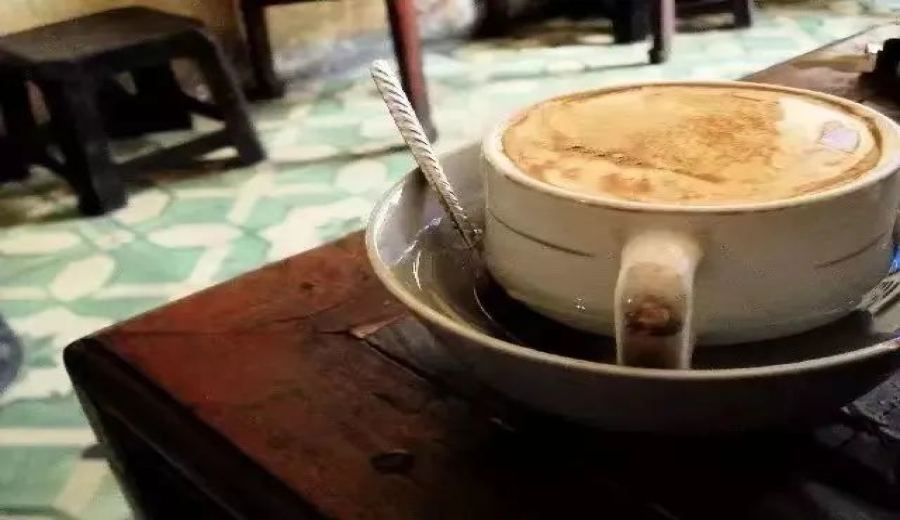
Introduction:Did you know that eggs can also be used to brew coffee? Besides Vietnam’s classic egg yolk cream coffee, there is also an ancient Nordic method that uses egg whites to filter out coffee grounds. This article delves into the historical origins, unique principles, and detailed home-brewing methods of these two egg coffee varieties—from choosing eggs, adjusting ratios, to improvement tips—helping you master two distinctly different coffee experiences in one go.
When it comes to egg coffee, many people immediately think of Vietnam’s classic beverage made with whipped egg yolks. However, in Northern Europe, there was also a traditional brewing method that used eggs to filter out coffee grounds. These two seemingly unusual yet uniquely charming egg coffees not only showcase different cultures’ pursuit of coffee flavors but also reflect culinary creativity under specific historical circumstances.
The Vietnamese version of egg coffee was inspired by the wartime era of material shortages. At the time, milk was hard to come by. Nguyen Van Giang, a bartender working at a well-known hotel in Hanoi, sought to add a sweet and creamy element to the coffee while preserving its flavor. He whipped egg yolks and sugar into a texture as smooth and fluffy as cream, using it as a substitute for coffee’s “milk foam.” This innovation not only successfully reduced the bitterness of the coffee but also became one of the iconic representations of post-war Vietnamese coffee culture.
When trying Vietnamese egg coffee at home, it is recommended to use pasteurized eggs to ensure hygiene. The basic method is: separate two egg yolks, add one teaspoon of condensed milk or white sugar, then whisk until it becomes a thick, fluffy cream-like consistency. As for the coffee liquid, it is recommended to choose a dark roast bean with a strong and slightly bitter flavor, such as Robusta, which pairs well with the egg-milk flavor. The general recommendation is a coffee-to-egg cream ratio of about 1:3 to 1:4, adjustable to personal taste. Finally, simply spoon the whipped egg cream gently onto hot coffee to enjoy this nostalgic specialty coffee.
In contrast to Vietnam’s creative use of egg yolks to add creaminess, the Nordic version of egg coffee focuses on enhancing the clarity and purity of the coffee’s taste. This ancient method mainly utilizes the coagulating properties of egg whites to firmly adsorb and settle coffee grounds, resulting in a smoother, grit-free final coffee liquid.
In practice, the traditional method involves thoroughly mixing coffee powder with beaten egg whites (mostly the egg white part), then pouring the mixture into already boiled water and simmering over low heat for about ten minutes. Next, pour in a small cup of cold water, causing the egg whites and coffee grounds to contract due to the temperature difference and sink to the bottom of the pot. Finally, pour out the clear coffee liquid from the top. This method effectively filters out fine coffee grounds, making the taste smoother.
It’s worth mentioning that some practitioners have shared a practical improvement tip: if using finely ground coffee powder, it’s advisable to shorten the brewing time to avoid over-extraction, which can make the flavor bitter like traditional Chinese medicine. Additionally, to reduce cleaning hassle, you can first boil water and reduce to low heat (with about 500ml of water), then add 25g of coffee powder. While the coffee powder is still floating on the surface, quickly crack in one egg and stir it with chopsticks, continue stirring for about 15 seconds, then let it sit. After roughly one and a half minutes, turn off the heat, then add 30 to 50ml of cold water to help the egg whites and coffee grounds settle together. Let it sit for 3 to 5 minutes, then pour out the clean coffee liquid and enjoy.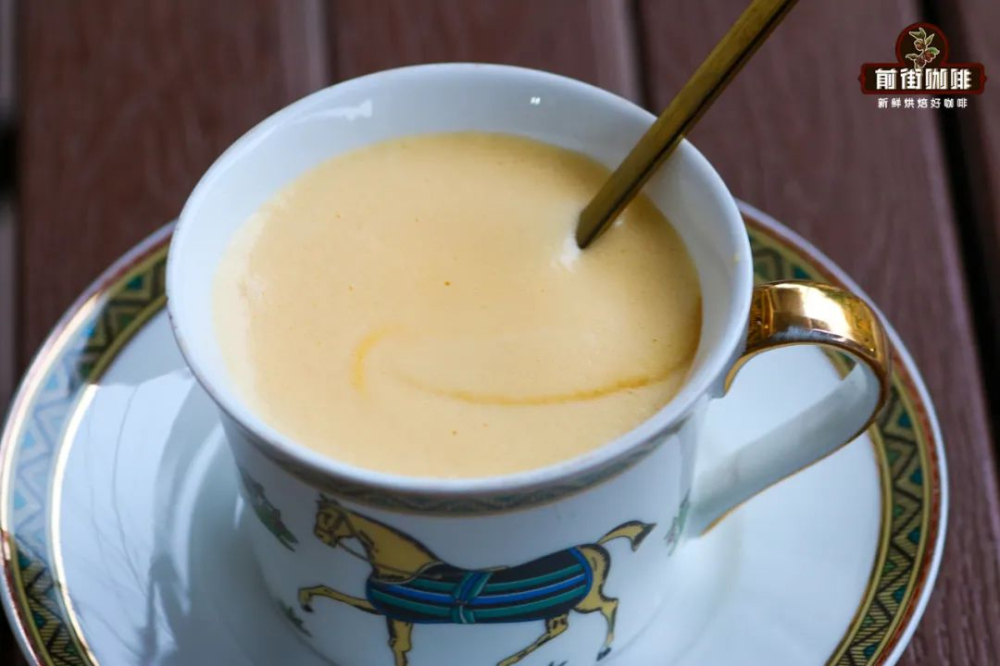
Although this Nordic traditional method may seem a bit complicated in steps, it remains a very practical way to prepare coffee without filter paper or specialized equipment. With the prevalence of modern coffee tools, this technique is not as commonly used as before, but for those who enjoy hands-on experimentation and exploring the diversity of coffee, it is undoubtedly a traditional wisdom worth experiencing.
In summary, Vietnamese and Nordic egg coffees each have their own distinctive features: the former creates a creamy texture akin to milk foam using egg yolks, suitable for those who enjoy sweet, aromatic, and rich flavors; the latter, through the physical properties of egg whites, makes the coffee clearer and smoother, offering another pure coffee experience. Whichever you choose, both can bring plenty of fun and surprise to your home coffee moments.
The above content is compiled by CoffeeHunters, a coffee news website.


