







Introduction:Are you always noticing a gap between the flavor of your homemade pour over coffee and that of café-brewed coffee? Mastering the correct grind size, water temperature settings, coffee-to-water ratio, and pouring technique is key to improving your pour over results. This article breaks down these four core elements in an easy-to-understand way — from assessing whether your grind is appropriate by observing the coffee bed, to refining your pouring method to fix issues like sourness or flat taste. It also provides practical recommendations for coffee-to-water ratios and water temperatures to help you fine-tune your brew and achieve the ideal flavor.
Many coffee enthusiasts, when first trying pour over at home, often face a common frustration: coffee that tastes rich and aromatic in cafés somehow feels off when they brew it themselves. In truth, the flavor of pour over coffee is closely tied to four key variables — grind size, pouring technique, coffee-to-water ratio, and water temperature. If even one of these is off, it can easily throw off the overall extraction balance and affect the final taste.
Many readers have reported that after tasting a coffee at a café and buying the same beans to brew at home, the flavor turns out completely different. So what’s going wrong? This article will focus on four of the most common issues, guiding you step-by-step to identify the causes through actual coffee bed conditions and brewing observations, and offering specific adjustments. Whether you’re a beginner or looking to level up your skills, you’ll find valuable insights here.
Issue 1: Grind Size — Wrong Grind, Lost Flavor
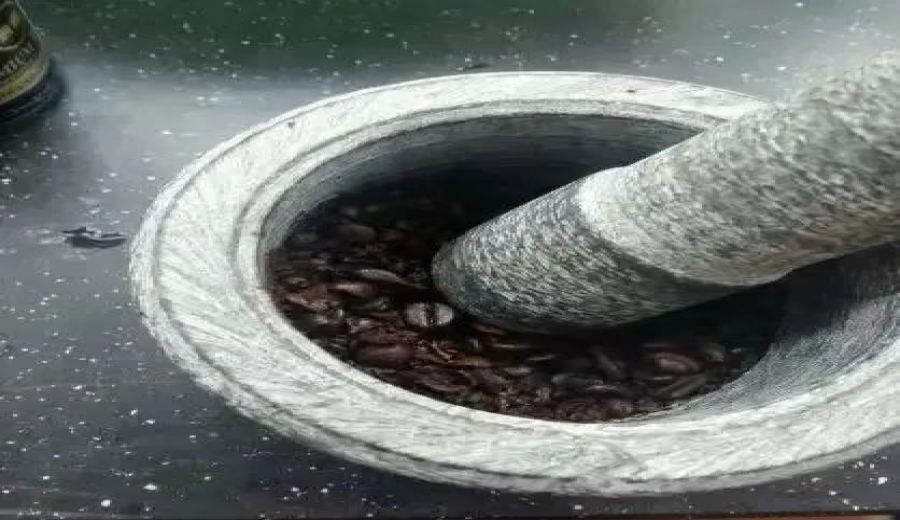
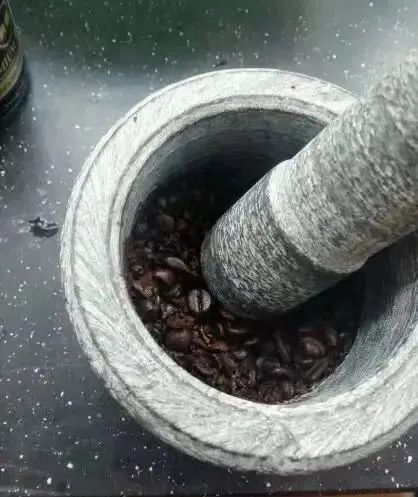
Pour over coffee is very particular about grind size. Too coarse leads to under-extraction and weak flavor; too fine leads to over-extraction and unpleasant bitterness or astringency. Many people use handy multi-purpose grinders or single-blade devices, which can’t evenly control particle size. It’s recommended to at least use an entry-level manual grinder to ensure consistent and uniform grinding.
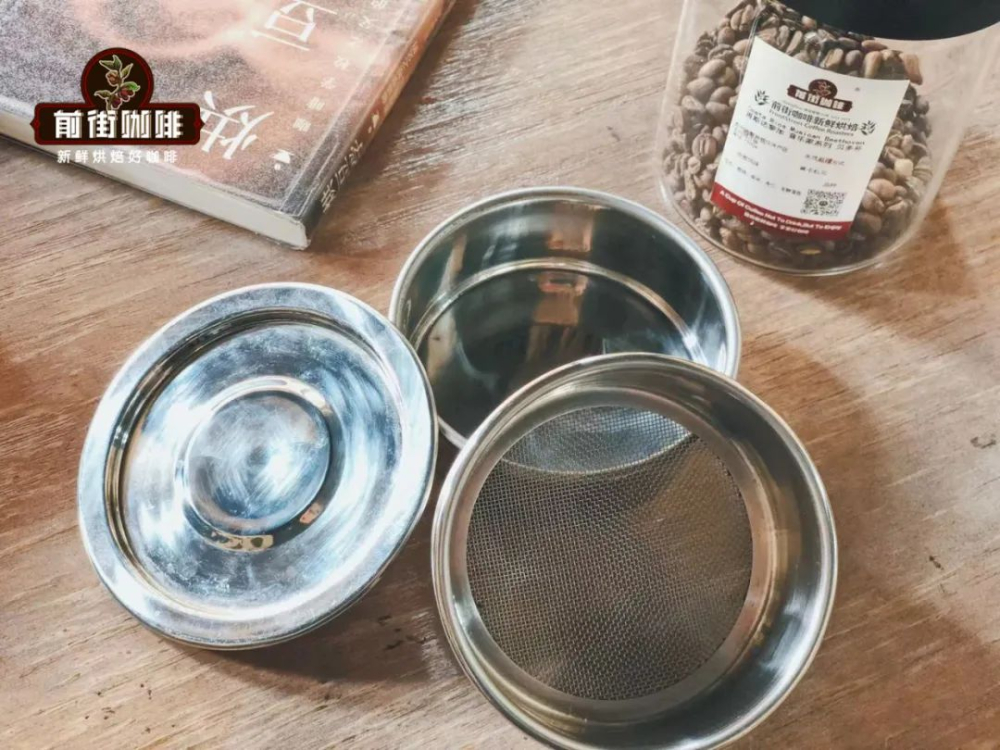
To determine whether your grind size is appropriate, you can usea No. 20 standard sievefor testing, aiming for about70%–80%of the coffee grounds to pass through the sieve (if you don’t have a sieve, consider getting one — they usually cost less than 50 RMB). For different roast levels, slight adjustments are suggested: for medium-light roasts, aim for75–80%this passing rate, while for medium-dark roasts, it’s recommended to aim for70–75%. Sieve analysis allows for a more objective assessment of grind coarseness, avoiding errors from relying solely on feel.
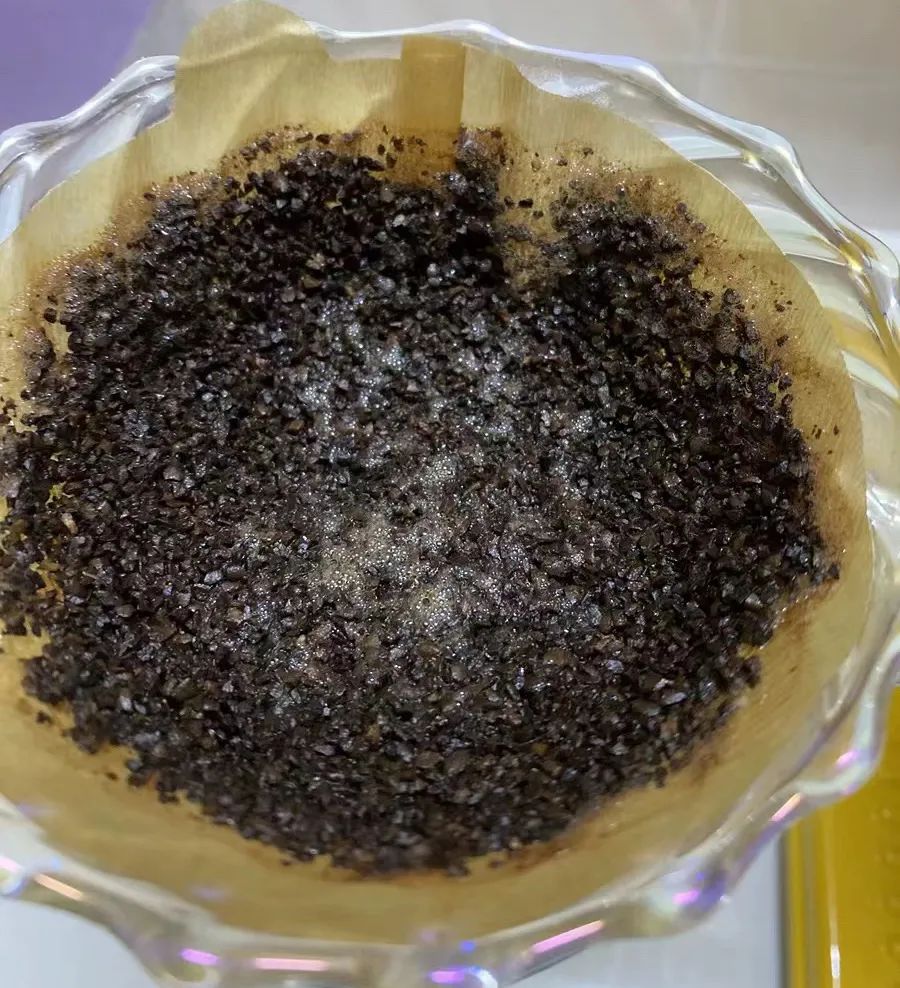
Besides numerical data, you can also make preliminary judgments based on the appearance of the coffee bed. For example, if the coffee tastes overly light, you might observe larger particles in the coffee bed, with some coffee grounds passing through the filter too early, along with noticeably fast drawdown — all signs that the grind may be too coarse. On the other hand, if the coffee has an unpleasant bitter or astringent taste and the coffee bed looks muddy, it’s usually due to too much fine powder or an overly fine grind, causing localized over-extraction.
Another common issue is having both noticeably large particles and fine powder in the coffee bed, leading to uneven extraction: the fine powder absorbs water quickly, sinks to the bottom, and clogs the filter, resulting in over-extracted bitterness at the bottom; meanwhile, the coarse particles float on top and are under-extracted, making you think the grind size is acceptable. If this happens, it’s recommended to use a sieve to filter outfines smaller than 0.2mmto help improve the taste. Additionally, record the drawdown time for each brew — for example, using 15 grams of coffee at a 1:15 ratio with a three-pour method, the ideal extraction time is around2 minutes, which can serve as a useful benchmark for further adjustments.
Issue 2: Pouring Technique — Key to Even Extraction
If the grind size is correct, the next step is to examine your pouring method. Poor pouring techniques — such as too high water flow, uneven circling, or collapsing of the coffee “wall” during multiple pours — can result in some coffee grounds not being fully extracted, or water flowing straight through the filter paper without contacting the coffee bed, leading to weak or thin flavors.
For instance, if your coffee tastes bland and thin, check the coffee bed and you might see larger coffee particles, part of the coffee bed disrupted by water flow, with water simply running down the filter cone’s ribs without properly interacting with the grounds. On the other hand, if the coffee tastes overly sour and thin, it may be because the pouring flow was too strong, causing the coffee “wall” to break, become uneven or stepped, or creating gaps between the wall and the coffee bed. This leads to under-extraction of the top or peripheral coffee grounds, resulting in unpleasant sharp or watery notes.
The ideal coffee bed should have abowl-shaped structure, with uniform wall thickness that naturally follows the curve of the filter and extends smoothly to the bottom, with a flat base free from obvious dents or bumps.A pretty coffee bed doesn’t guarantee good flavor, but an unideal one often leads to uneven extraction. It’s recommended to start by practicing basic pouring techniques — maintaining a stable flow and even circling helps improve overall extraction quality.
Issue 3: Coffee-to-Water Ratio — Influencing Strength and Flavor Expression
The coffee-to-water ratio is a crucial parameter that determines the strength and balance of flavors in your brew. The generally recommended ratio is1:15 or 1:16, for example, 15 grams of coffee to 225–240 milliliters of water. Among these,the 1:15 ratiois suitable for those seeking a richer, fuller-bodied taste, whilethe 1:16 ratiobetter highlights bright, nuanced acidity, such as in renowned Geisha varieties from specific regions.
It’s important to note that some users may remove the filter before all the liquid has drained, which isn’t inherently right or wrong. However, if you originally brewed with a 1:15 ratio but end up stopping the brew early, the actual coffee-to-water ratio will be lower than intended, potentially affecting the overall extraction and flavor. It’s best to complete the full pour according to your target ratio, then decide whether to stop early based on personal taste preference.
Issue 4: Water Temperature — Fine-Tuning Flavor Profile
If the above three factors have all been checked and adjusted, the next thing to look at is water temperature. The general recommended range for pour over water temperature is86–93°C, with practical adjustments based on roast level: medium-light roasts suit higher temperatures, recommended at90–93°C, to help bring out complex aromas and sweetness; medium-dark roasts are better suited to86–89°Cto avoid over-extraction and bitterness.
If, within the recommended temperature range, you still find the coffee too sour or too bitter, try small adjustments: if the flavor is too acidic, increase the temperature slightly1–2°C; if the bitterness is pronounced, try lowering the temperature slightly1–2°C, and gradually find the optimal temperature setting for that particular coffee.
Conclusion
The charm of pour over coffee lies in how small adjustments can reveal the true character of the beans. By mastering the four core elements — grind size, pouring technique, coffee-to-water ratio, and water temperature — and learning to observe the coffee bed and drawdown behavior, you can gradually close the gap between your brews and the ideal flavor, crafting delicious coffee that’s uniquely yours.
The above content is compiled by CoffeeHunters, a coffee news website.


