







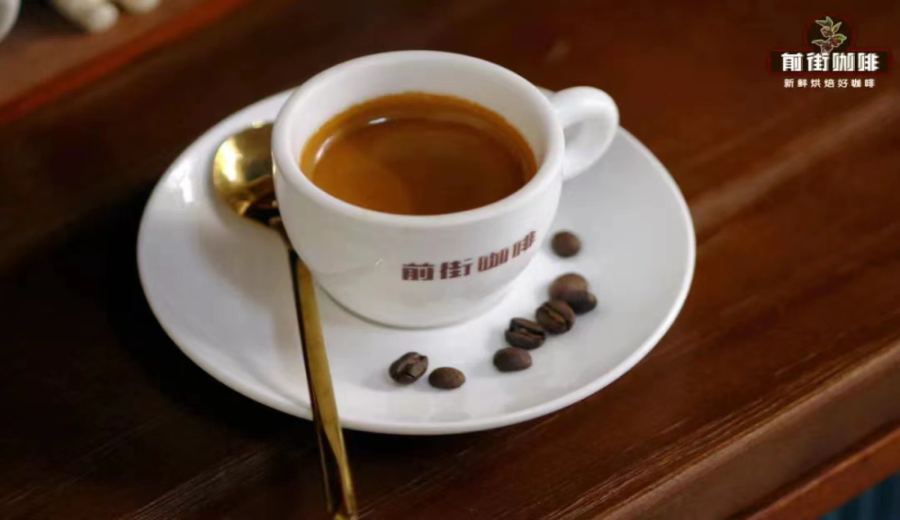
Introduction:Espresso is one of the most popular types of coffee, but many beginners still have plenty of questions when selecting beans: Is a blend or single origin better for espresso? How should I choose the roast level? Does acidity mean poor quality? This article will delve into the key considerations for choosing espresso beans, covering everything from storage methods and the differences between blends and single origins, to how roast levels affect flavor. It aims to help readers build a solid foundation in bean selection, improving extraction stability and flavor expression.
Espresso is not only a classic brewing method, but also the first step into the coffee world for many. Precisely because it’s so common, many people face numerous doubts when choosing beans—such as how to pick fresh and suitable coffee beans, whether to go with a blend or single origin, and how roast level affects the final flavor. This article will provide detailed answers to these common questions, supplemented by real-life examples, helping coffee enthusiasts master the essential elements of espresso—from bean selection and storage to brewing.
How to correctly select and store espresso beans?
When choosing espresso beans, “freshness” is a key factor that influences flavor performance. Freshly roasted beans retain the most flavor compounds, delivering richer aroma and complexity whether ground or brewed. To ensure the beans are at their peak, it’s recommended to choose products shipped within five days of roasting and to store them properly upon arrival.
For storing espresso beans, you can keep them in their original packaging (as long as it has a one-way degassing valve) or transfer them to an airtight container, placing them in a cool, dry spot away from direct sunlight and moisture. A special reminder: once beans are ground, their aroma dissipates quickly, so it’s best to buy whole beans and grind them just before brewing to preserve optimal flavor.
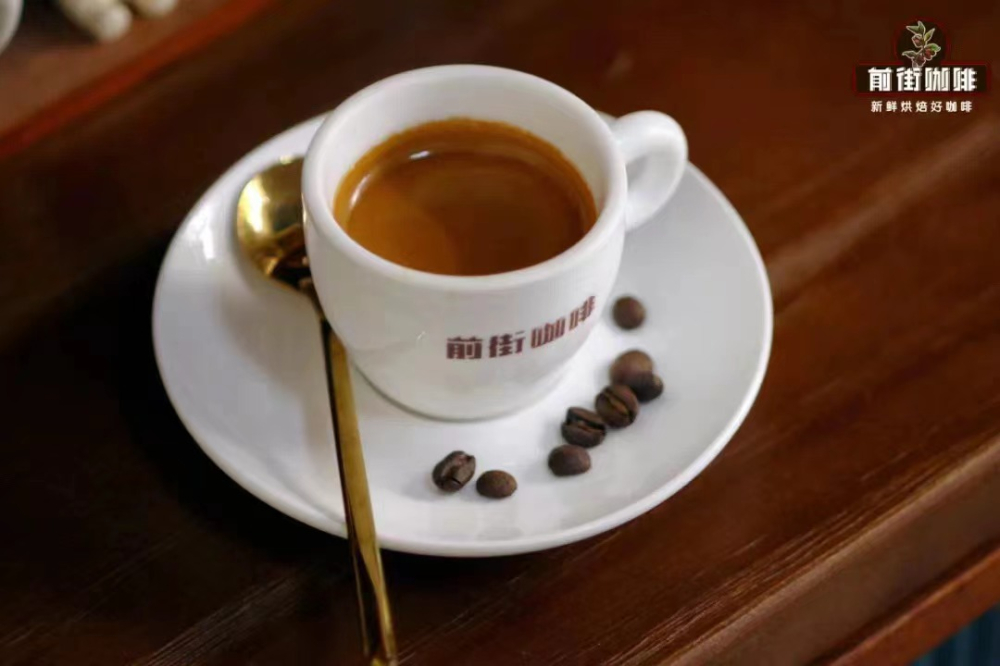
Should you use a blend or single origin for espresso?
Many beginners often ask: “For espresso, should I use a blend or single origin beans?” In fact, both can be used, but each has its pros and cons. Blends are typically made from multiple regional beans, aiming to balance flavors and ensure consistency in every cup—making them ideal for commercial use or those seeking a stable taste. In contrast, single origins highlight the unique characteristics of a specific region, such as pronounced fruitiness or floral notes, but they usually have a higher extraction threshold and less consistent stability.
For most coffee shops, blends are the more practical choice, as they offer consistent and stable espresso performance. For coffee enthusiasts wanting to explore different flavors, single origins can bring more surprises and the joy of discovery.
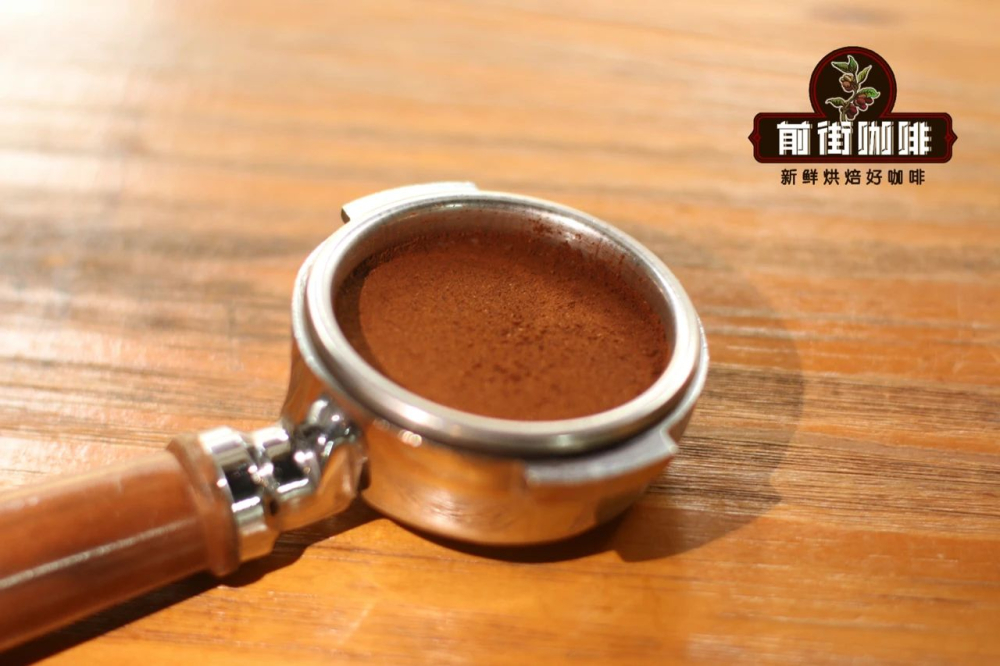
What’s the deal with roast levels for espresso beans?
To achieve the rich and bold taste typical of espresso, it’s generally recommended to choosemedium-dark roastedbeans. Medium-dark roasting promotes caramelization inside the beans, releasing more sweetness, chocolate, and nutty notes, along with richer coffee oils—all key elements of a delicious espresso.
It’s worth noting that roasted beans continue to release carbon dioxide, and too much gas can affect extraction stability. It’s advised to let the beans rest for about five to six days after receiving them, allowing excess gases to escape through the one-way valve in the packaging, before grinding and brewing. This yields a more balanced flavor.
In comparison, light roast beans, while showcasing bright acidity and fruity notes in pour over brewing, tend to produce unpleasant sharp acidity under the high-pressure environment of espresso extraction. They also lack sufficient caramelization, resulting in a flatter flavor profile, making them less recommended for espresso.
Is a blended espresso bean considered specialty coffee?
The answer is yes. As long as the beans used in the blend meet the definition of specialty coffee—regardless of whether it's a single origin or a blend—it can be classified as specialty coffee. The essence of specialty coffee lies in the bean’s origin, processing method, and cupping quality, not whether it’s a blend. Therefore, choosing high-quality blends can also offer the delicate and rich flavors of specialty coffee.
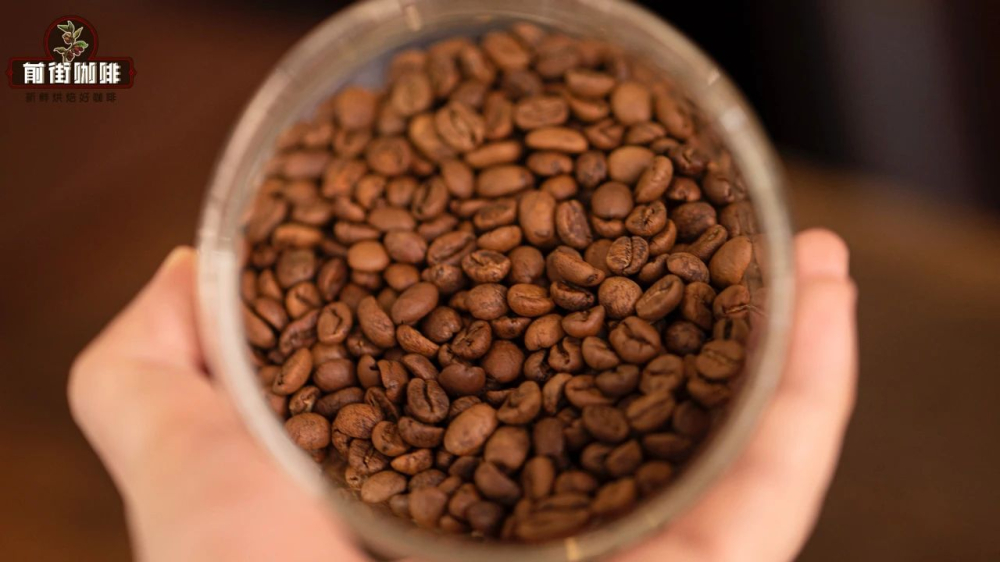
Is it normal for espresso beans to have acidity?
Many people, when first tasting espresso, are puzzled by its acidity and may even think it indicates poor quality. In reality, the acidity of espresso is directly related to the coffee beans used. If you’re using beans with fruity acidity—whether single origin or blend—the resulting shot may exhibit some level of acidity. This acidity isn’t necessarily a negative trait; sometimes, it can even add layers and vibrancy to the coffee.
However, if the acidity is overly sharp or unbalanced, it could be due to under-roasting, improper extraction parameters, or subpar bean quality. Understanding your flavor preferences and choosing the right roast level and bean type are key to achieving your desired flavor profile.
The above content is compiled by CoffeeHunters, a coffee news website.


