








Introduction:Have you ever wondered if the material, size, or shape of your coffee cup could subtly alter the flavor of the coffee in your hand? This article delves into the characteristics of common coffee cup materials such as ceramic and glass, explores how capacity and rim design affect the taste profiles of popular drinks like espresso, latte, flat white, and Dirty, and provides practical buying tips. Learn how to choose the most flavor-enhancing cup for different coffee types, fully unlocking each cup’s potential.
Walk into a café or browse an online store, and you’ll be dazzled by the variety of coffee cups available. But do these exquisitely designed containers really influence the flavor of your coffee? The answer is yes. From material and capacity, to wall thickness and shape, every detail can change your overall coffee drinking experience. This article will guide you through multiple dimensions, helping you select the most suitable cup for your favorite coffee types—such as espresso, latte, flat white, and Dirty—to elevate your coffee’s performance.

Many coffee enthusiasts and professional baristas have a special attachment to their cups. While the market offers a dazzling array of options, choosing the right cup is more important than choosing an expensive one. Whether you’re a beginner or a daily home brewer, understanding these key factors that influence flavor can help you better appreciate the beauty of each cup.
I. Four Key Elements of Coffee Cups
1. Material: Ceramic and glass are the most common, affecting temperature and visual experience
Currently, the mainstream coffee cups on the market are mainly divided into ceramic and glass categories (metal and wooden cups are relatively rare). Ceramic cups offer good thermal insulation, slowing down the cooling of hot coffee and are therefore the preferred choice for many cafés, especially for hot drinks. Glass cups, although less effective at heat retention, have the advantage of clearly showcasing the layering between coffee, milk, water, or other elements—perfect for appreciating the visual effect when pouring espresso, such as in a Dirty or iced coffee presentation.
2. Capacity: From small espressos to large lattes, size corresponds to different concentration needs
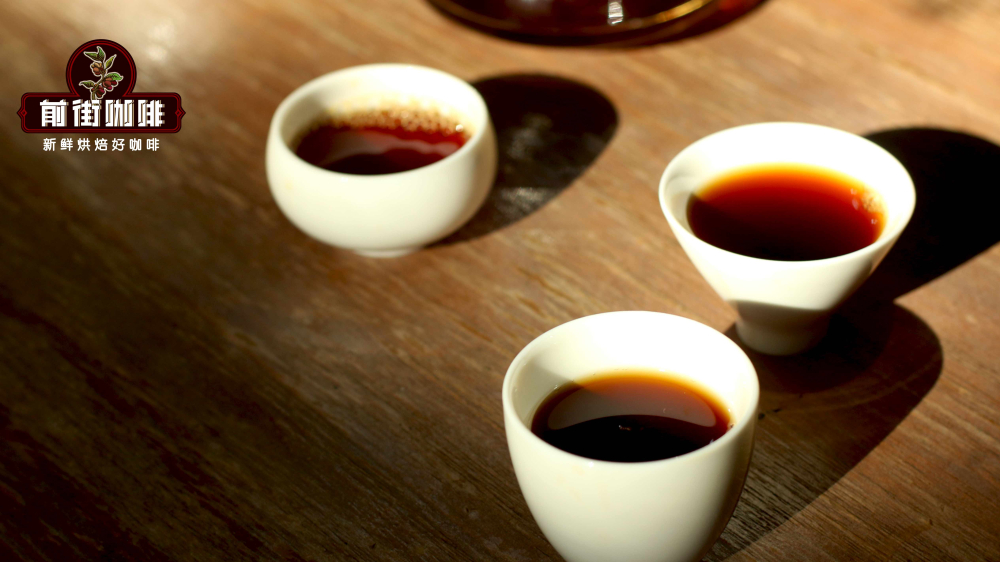
The capacity of a coffee cup often directly affects the strength of the coffee’s flavor. Generally speaking, the smaller the cup, the higher the coffee concentration per unit volume; conversely, the flavor will be lighter. For example, the commonly used 60ml small ceramic cup is typically used for serving double espresso, perfectly highlighting its rich and bold character while preserving the gloss and aroma of the crema. Medium-sized cups (180–250ml) are suitable for hot pour-over coffee, cappuccino, and flat white, balancing taste and flavor. Larger cups, such as 300ml ceramic mugs, are often used for hot lattes, achieving a better balance between milk and coffee—ideal for those who prefer a more balanced taste.
3. Thickness: Cup wall thickness affects heat retention and drinking sensation
The thickness of the cup wall isn’t just about the feel in hand—it directly relates to the coffee’s heat retention and drinking experience. Thicker walls are better at maintaining coffee temperature, which is particularly important for milk-based coffees like lattes that are meant to be sipped slowly. In addition, thicker cups help stabilize foam and prevent spillage. On the other hand, thin-rimmed designs reduce the distance between the coffee and your lips, allowing the liquid to flow more smoothly into your mouth and enhancing the overall subtlety of the drinking experience.
4. Shape: Tapered, straight, and wide-mouth designs shape different flavor focal effects
Just like wine glasses, the shape of a coffee cup can also influence how aromas are gathered and released. Cup shape comparison tastings have shown that wide-mouth cups help highlight bright flavors like fruity notes; straight cups better express the coffee’s body and caramel aromas; while tapered cups concentrate aromas, making sweetness and fullness more pronounced. Choosing the right cup shape allows you to more deeply experience the unique character of the coffee beans.
II. What Cups Are Suitable for Different Coffee Types?
1. Hot Milk Coffees: Cup Suggestions for Latte, Flat White, and Cappuccino
Hot lattes, which contain a lot of milk, are best served in thick, wide-mouth ceramic cups or mugs with around 300ml capacity, helping to balance the ratio of coffee to milk and maintain warmth during drinking. Cappuccinos, known for their strong coffee aroma and thick foam, are best enjoyed from 200–250ml thick-walled straight ceramic cups, creating a concentrated and velvety mouthfeel. As for flat whites, which feature thinner foam and a more prominent coffee flavor, opt for 200–250ml thin-walled cups with slightly flared rims, helping the foam glide smoothly into your mouth and improving overall smoothness.
2. Iced Milk Coffees: Visual and Flavor Keys of the Dirty
Dirty is usually served in a glass cup, allowing customers to clearly observe the layering of espresso and milk. It’s recommended to use a small to medium-sized 150–200ml wide-mouth or straight glass cup, where the espresso floats on top, delivering a unique experience of hot and cold contrast in a single sip. The cup shape doesn’t need to be overly complex, but capacity control is key to maintaining the best flavor contrast.
3. Hot Black Coffees: Cup Pairings for Pour Over and Americano
The charm of hot black coffee lies in experiencing its multi-layered flavors as the temperature changes. For medium to light roasted beans with distinct fruity notes—such as those from African regions—opt for wide-mouth cups to help capture those fruity characteristics. Medium to dark roasted beans, like Golden Mandheling, suit medium-sized straight-rimmed cups that showcase body and caramel aromas. If you prefer sweeter coffees, such as strawberry candy or Sidamo, try a tapered cup to concentrate the sweetness and make the flavors more focused.
In summary, choosing a coffee cup isn’t just about appearance—it involves a comprehensive consideration of material, capacity, thickness, and shape based on coffee type, brewing method, and personal taste preferences. With careful selection, you can find the perfect stage for each cup of coffee, allowing its unique flavors to shine through.

The above content is compiled by CoffeeHunters, a coffee news website.


