







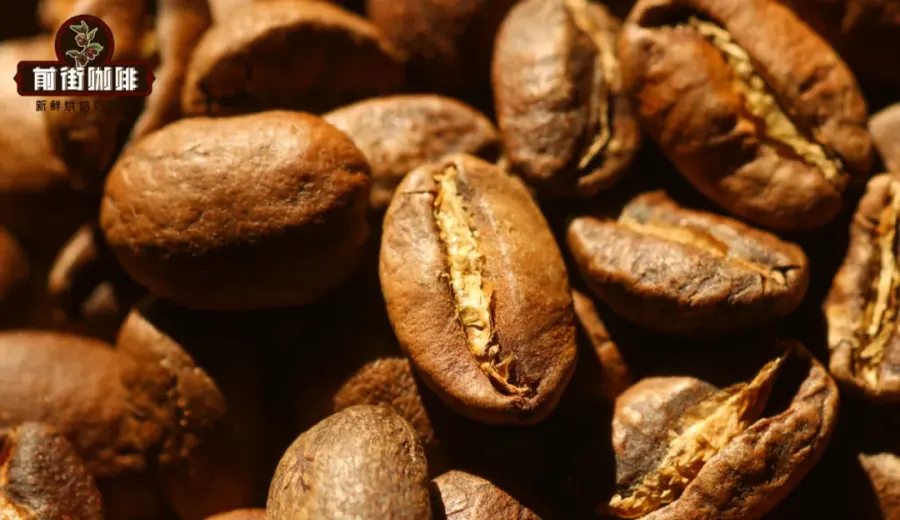
Introduction:Roast level is one of the key factors that determine the flavor profile of coffee, especially for Arabica beans. A dark roast can bring out a rich, full-bodied layered taste while reducing acidity, showcasing unique caramel and spice notes. This article takes an in-depth look at how dark roasting affects the balance of sweet, sour, and bitter flavors in coffee, and recommends three classic medium-dark roasted Arabica pour-over beans. From flavor characteristics to actual brewing performance, it will give you a comprehensive understanding of the charm and application of dark-roasted beans.
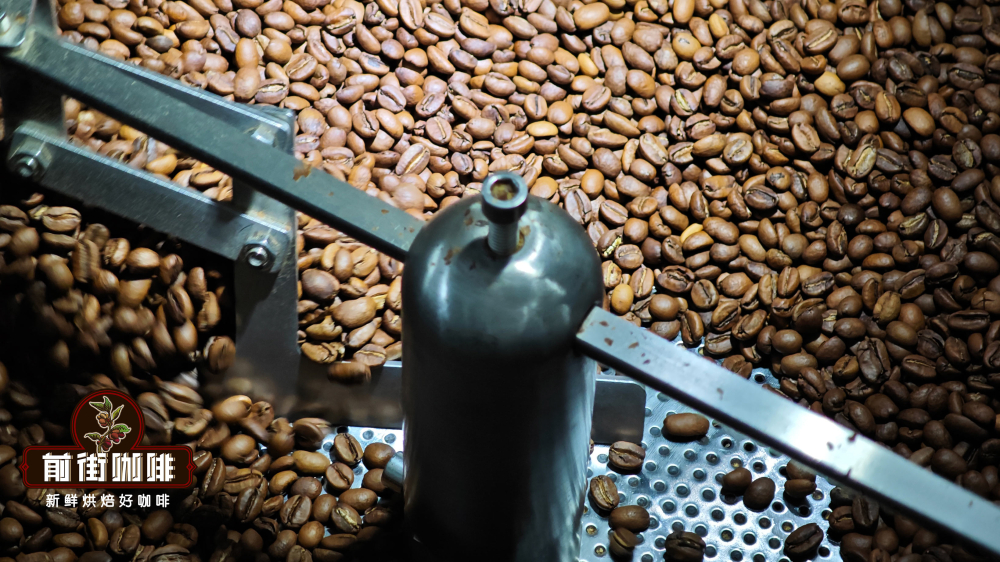
The final flavor profile of a cup of coffee is largely set during the roasting stage. When green beans are subjected to high temperatures, the sugars and amino acids inside react through the Maillard reaction and caramelization, producing hundreds of complex volatile and non-volatile compounds. These reactions not only give coffee its unique color and aroma but also directly influence the balance of its acidity, sweetness, and bitterness. The higher the roasting time and temperature, the more likely the acidic compounds in the beans are to break down, giving way to deeper bitterness and a richer mouthfeel.
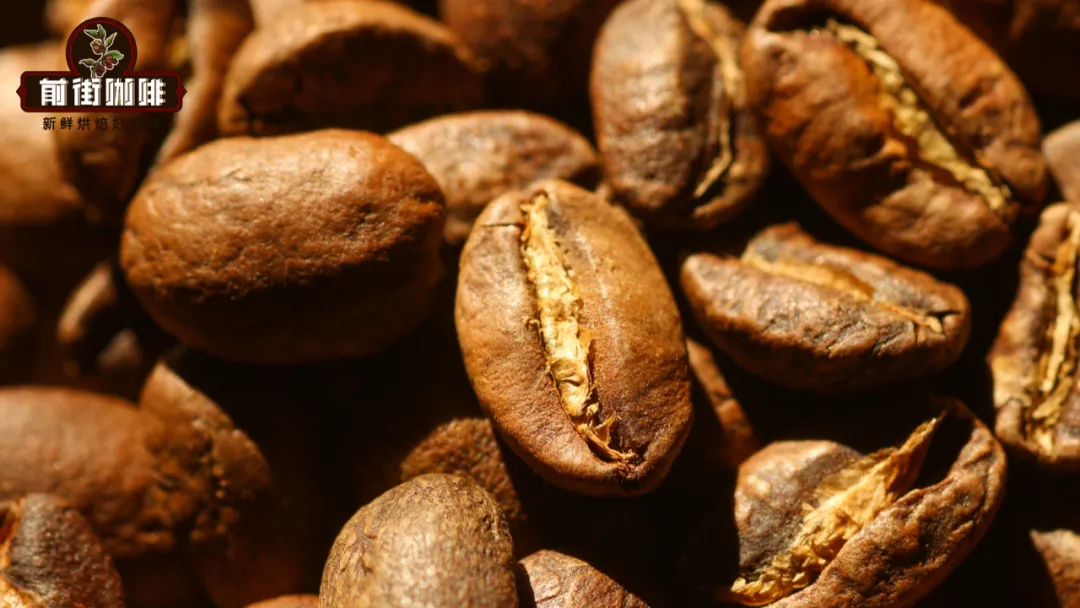
Overall, the flavor composition of coffee is about 60% derived from the green beans themselves, with roasting responsible for shaping nearly 30% of the key characteristics, and the final extraction only influencing about 10%. That’s why roasting is considered the core step in determining the flavor expression of coffee, with different roast levels delivering vastly different taste experiences.
Among the various types of roasts, the Maillard reaction and caramelization are the two most critical chemical changes. The Maillard reaction facilitates interactions between sugars and amino acids at higher temperatures, forming a variety of aromatic compounds that construct the foundational flavor outline and color of the coffee. Caramelization, on the other hand, is the process where sugars undergo dehydration, cleavage, and browning when heated. In addition to deepening the bean’s color, it releases distinct roasted aromas and mildly acidic components, further enriching the overall aroma profile.
Common roast levels can generally be divided into three categories: light roast, medium roast, and dark roast. Traditionally, dark roasting is used to enhance the bold mouthfeel and smoky aroma of coffee, while also ensuring flavor consistency and stability. However, with the rise of specialty coffee culture, more and more consumers are seeking bright acidity and floral-fruit notes that highlight origin characteristics, making light roast increasingly popular. For example, sun-dried beans with creamy strawberry profiles or washed Yirgacheffe with jasmine floral notes can preserve more of their original flavors through light roasting.
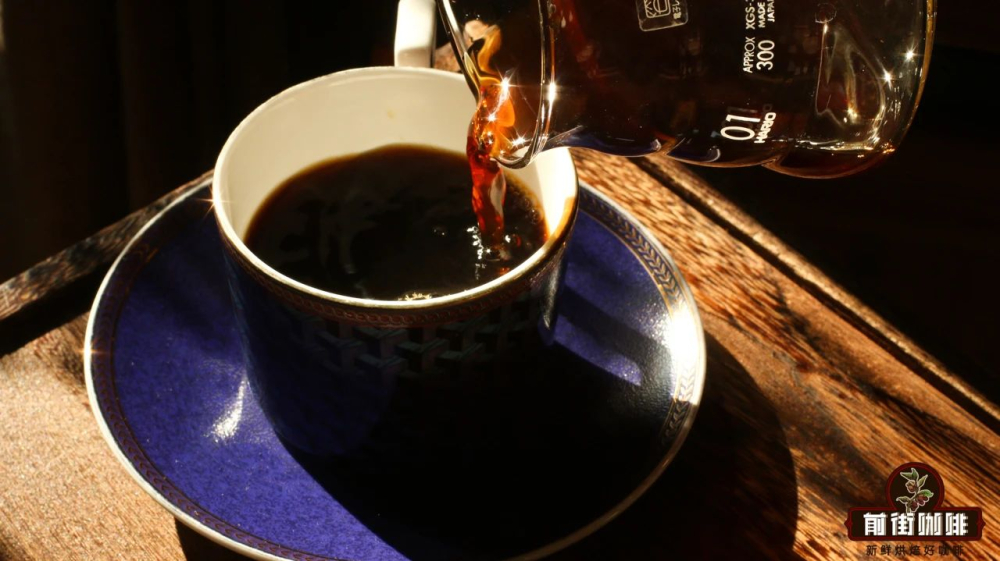
Even so, dark roast coffee still holds an irreplaceable position, especially for drinkers who prefer a rich mouthfeel and low acidity. Medium-dark roasted Arabica beans remain a classic choice. Below, we’ll introduce three noteworthy medium-dark roasted single-origin pour-over beans. They not only showcase the unique charm of dark roasting but are also suitable for everyday drinking or advanced brewing practice.
First up is Golden Mandheling from Indonesia, an iconic dark-roasted Arabica bean. These beans undergo triple mechanical screening and hand-picking to remove defects, ensuring bean integrity and pure flavor. The dark roast focuses its flavors on spice and herbal notes, with a full-bodied, smooth mouthfeel and a pronounced sweet aftertaste. If light roasted, it could easily mask its distinctive rich layers, making dark roast the best way to showcase its soul.
Next is a bean from Fazenda Rainha in Brazil. As the world’s largest coffee-producing country, Brazil is known for its Arabica beans with stable flavor profiles. Fazenda Rainha is located at a high altitude and grows the rare Yellow Bourbon variety. Even under dark roasting, it still exhibits delicate aromas of creamy chocolate, black cocoa, and almond. The mouthfeel is rich yet balanced, making it ideal for drinkers who prefer a neutral, full-bodied flavor.
Last but not least, we have Jamaican Blue Mountain No. 1. This world-renowned top-tier Arabica bean, even when medium-dark roasted, still retains its uniquely elegant aroma. In addition to distinct roasted notes, it carries a subtle, indescribable gentle fragrance. It’s smooth on the palate with well-defined layers and a long-lasting finish. Compared to other dark-roasted beans, Blue Mountain No. 1 showcases the refined side of dark roast flavors, making it a classic choice that advanced coffee enthusiasts shouldn’t miss.
The above content is compiled by CoffeeHunters, a coffee news website.


