







Introduction:With so many types of home coffee makers on the market—such as espresso machines, drip coffee makers, capsule systems, and automatic pour-over devices—do you know which one is best suited for your needs? This article delves into the working principles, ease of use, extraction performance, and ideal usage scenarios of various coffee machines. It also recommends suitable coffee bean types and roast levels for different models, helping you choose the most compatible equipment and beans based on your flavor preferences and usage habits.
In modern life, coffee has become an indispensable beverage for many people, and the widespread availability of home coffee machines has made it easier than ever to enjoy professional-level coffee at home. The market offers a variety of coffee machines, including espresso machines for making concentrated coffee, easy-to-use American drip brewers, technologically advanced electric siphon systems, and the more recent automatic pour-over and capsule coffee makers favored by hand-pour enthusiasts. Each type features a unique extraction method, applicable scenario, and flavor profile. Understanding their differences is key to finding the equipment that best fits your needs.
From the earliest simple coffee brewing tools to today’s multifunctional machines that combine technology and design, home coffee equipment has evolved over more than two hundred years. Whether you're seeking intense flavors, convenience, or a focus on extraction details and layered coffee notes, there is a corresponding machine type to choose from. This article will introduce the characteristics, pros and cons, and operation essentials of the four mainstream types of home coffee machines one by one. It will also recommend suitable coffee bean varieties and roast degrees based on each machine’s extraction traits, allowing you to master everything from machine selection to bean choice in one go.
Espresso Machine
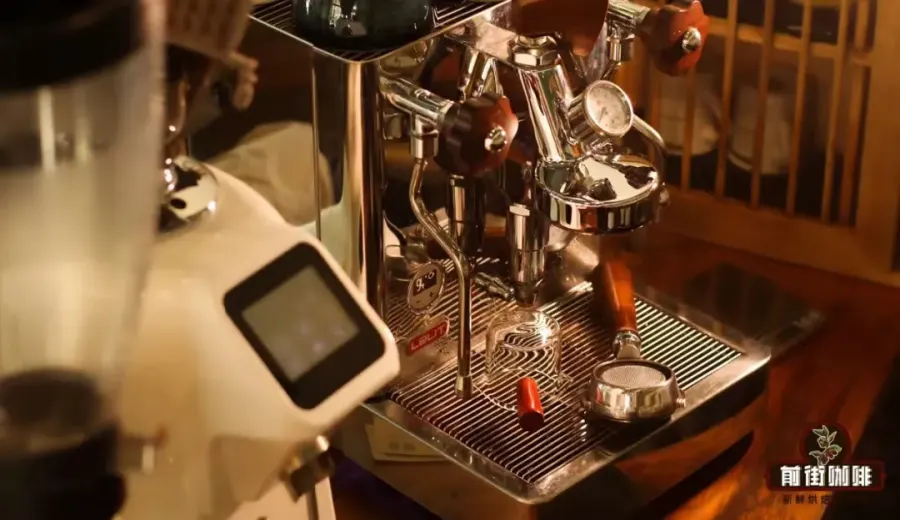
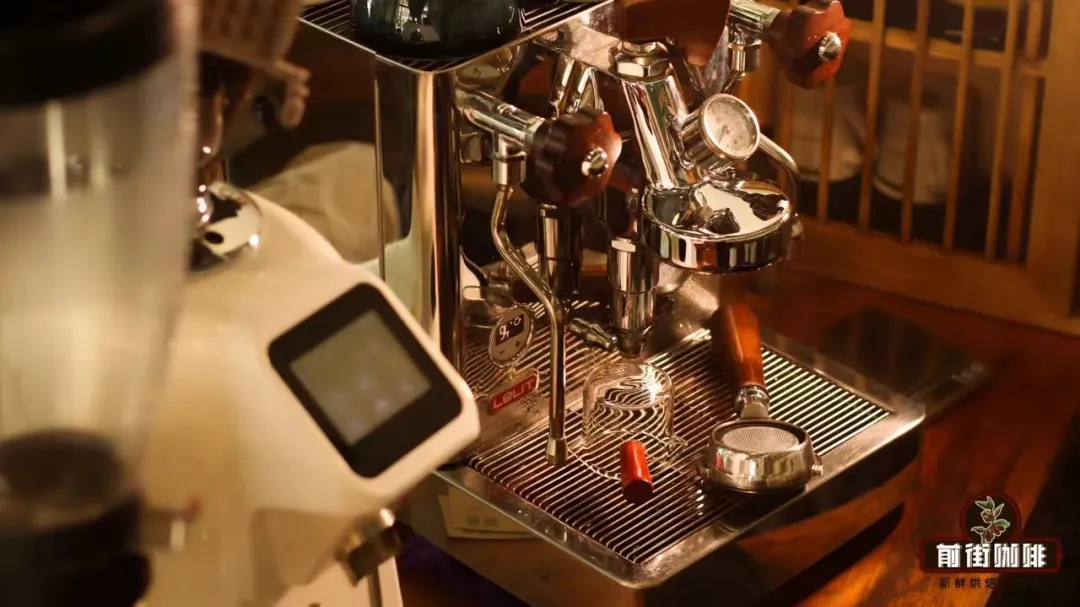
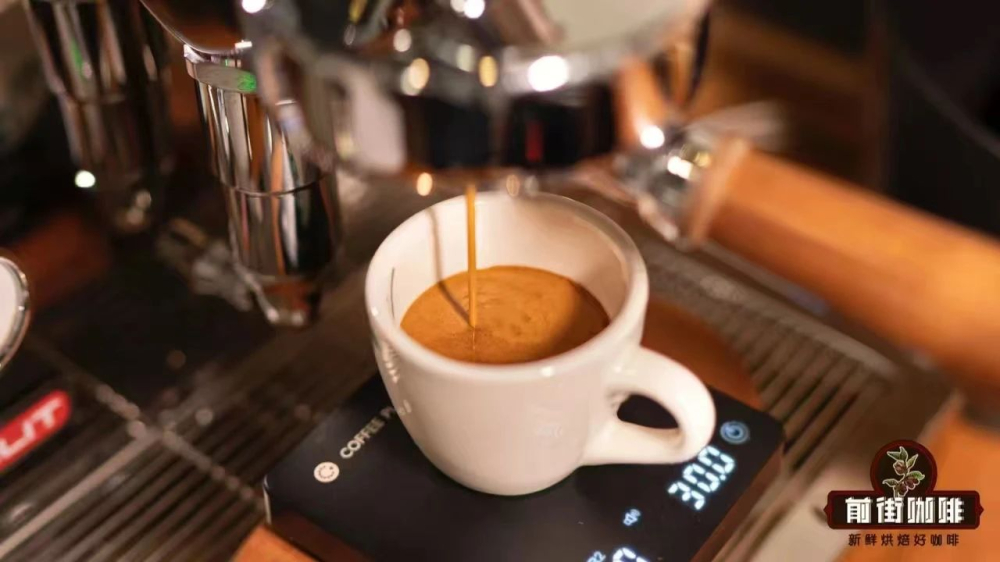
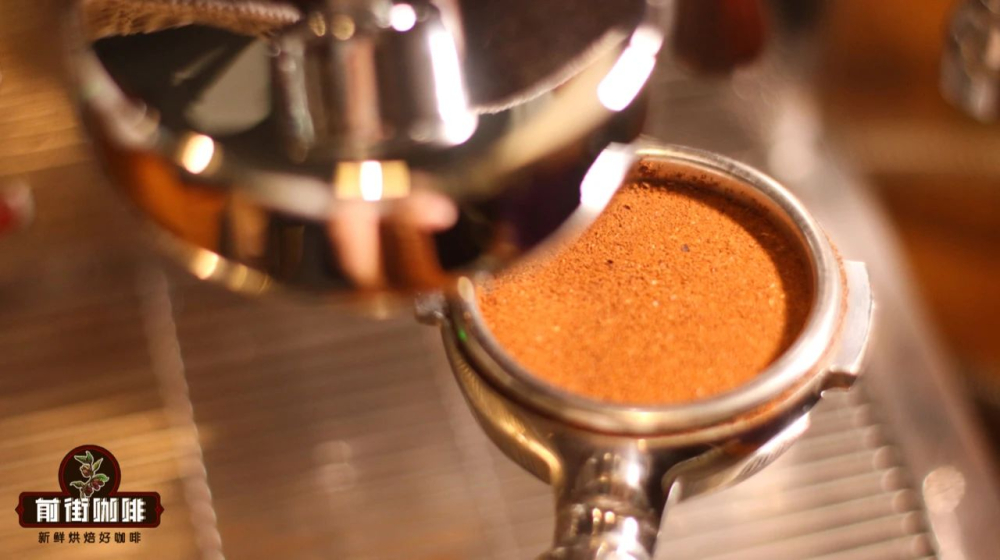
The espresso machine is a top choice for many coffee enthusiasts, especially those who enjoy strong flavors and milk-based coffee drinks. These machines typically come equipped with a high-pressure boiler that forces nearly boiling water through a tightly packed, finely ground puck of coffee at high pressure, extracting about 30ml of concentrated coffee known as espresso. This process forms a thin layer of golden to brown crema—a dense, velvety foam—which is one of the key indicators of a successful extraction.
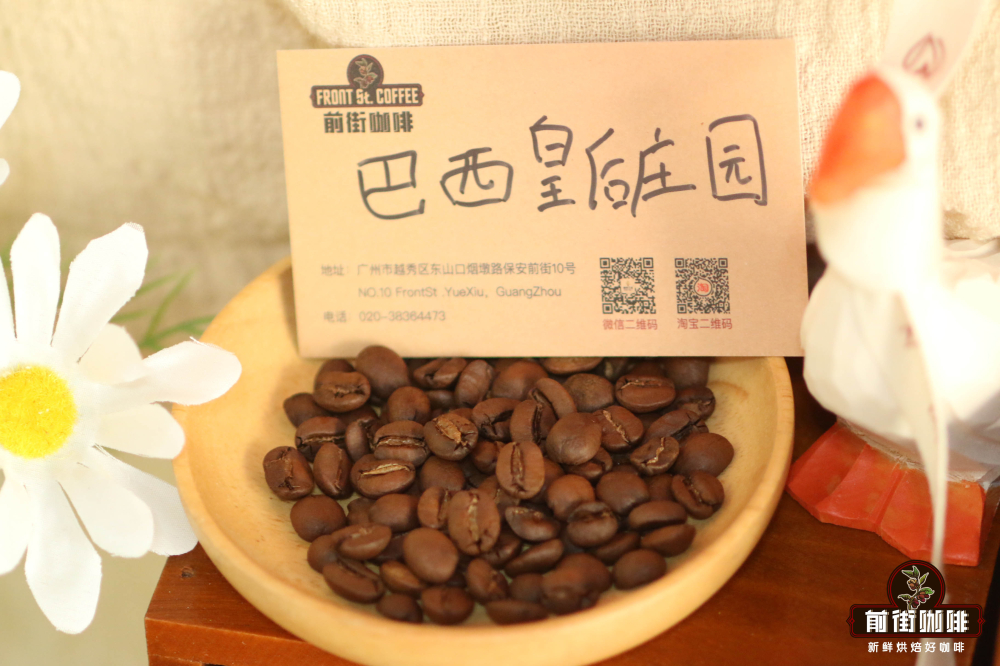
Espresso machines can be divided into semi-automatic and fully automatic types. Semi-automatic machines require manual control of extraction time and pressure, usually come with one or more group heads, and are suitable for settings where quick and high-volume production is needed, such as small coffee shops. Fully automatic machines, on the other hand, have built-in grinding, dosing, tamping, and extraction systems, making them much easier to operate—but they often have longer extraction times. To achieve the best extraction results, it’s recommended to use medium to dark roasted beans, such as Brazil Queen Estate beans with a roasted peanut aroma, or Golden Mandheling, which showcases spicy and chocolatey notes. Additionally, espresso beans with a strawberry-like sweetness can bring out prominent floral and fruity aromas, adding complexity.
Espresso can be customized to suit individual tastes: adding water creates an Americano, while steamed milk transforms it into classic milk-based drinks like lattes and cappuccinos. Adding syrups or spices can further create a wide variety of personalized beverages.
Electric Drip Coffee Maker
The electric drip coffee maker is one of the most common home coffee machines, using a drip filtration extraction method. Its structure is generally divided into upper and lower layers: the upper part holds the filter paper and coffee grounds, while the lower part is the coffee pot. Hot water is evenly distributed and drips down through gravity, slowly extracting a relatively light-bodied coffee liquid with noticeable acidity. This type of machine is easy to operate—just add coffee grounds and hot water, and it will automatically complete the brewing process, making it ideal for everyday quick use.
Drip coffee makers come in a range of sizes, from single servings to multi-cup capacities, suitable for various household needs. However, because extraction time is harder to precisely control, it may lead to a relatively higher caffeine extraction ratio. It’s recommended to adjust the amount of coffee grounds and water temperature according to personal taste to achieve a more balanced flavor profile.
Electric Siphon Coffee Maker / Siphon
Siphon coffee makers are beloved by coffee lovers in Japan and Taiwan for their unique visual effect and scientific brewing principle. These machines usually consist of a two-chamber glass setup: the lower chamber is heated to warm the water, creating pressure that pushes the water up into the upper chamber where it mixes with the coffee grounds. When the heat is turned off, the change in pressure causes the coffee to flow back down into the lower chamber, completing the extraction. Electric siphon machines simplify the process even further, featuring automatic heating, temperature maintenance, and shut-off functions, reducing the learning curve.
Siphon extraction offers stable temperatures and more precise time control, effectively highlighting the coffee’s aroma and full-bodied texture. However, it also tends to extract a relatively higher proportion of caffeine. It suits users who prefer rich, layered flavors, but regular cleaning is essential to prevent residue buildup that could affect taste.
Capsule Coffee Machine
For users prioritizing efficiency and convenience, the capsule coffee machine is an ideal option. Simply insert a dedicated coffee capsule and add hot water, and the machine quickly completes high-pressure extraction, delivering a consistent and stable flavor. These machines typically feature fast preheating and high-pressure extraction, and some can even produce milk foam to meet the needs of lattes or cappuccinos. The capsules are well-sealed, helping to preserve coffee freshness, and come in a variety of options—including espresso, single-origin, and milk-compatible flavors.
Automatic Pour-Over Coffee Maker
The automatic pour-over coffee maker combines the precision of manual pouring with the convenience of technology. Using a showerhead-style water distribution system, it evenly sprays hot water over the coffee grounds, improving overall extraction uniformity. These machines usually offer stable water temperature control, adjustable water flow and timing settings, and some high-end models even support smartphone app connectivity for more precise control over extraction parameters.
The biggest advantage of automatic pour-over machines is their versatility—almost all types of coffee beans can be used. For those who enjoy fruity floral notes, Panama Geisha is a great choice; for a preference toward bright acidity and red tea-berry profiles, Ethiopian Huila is an excellent option; if you favor balanced, rich nutty and caramel flavors, Brazilian beans are a solid pick; and for those seeking a bold, full-bodied mouthfeel, Indonesian Golden Mandheling—carefully hand-selected with an extremely low defect rate—is a great candidate. These beans showcase diverse flavor profiles, perfect for savoring on a pour-over machine.
The above content is compiled by CoffeeHunters, a coffee news website.


