







Introduction:Want to pick coffee beans that suit your taste but feel overwhelmed by the overwhelming choices? This guide provides beginner coffee drinkers with a comprehensive and practical buying guide. Starting from brewing methods (such as pour over or espresso), it teaches you how to distinguish between single-origin beans and blends, and when to use them. It also delves into the key details of freshness and resting periods, helping you find the optimal time to enjoy your coffee. Based on regional characteristics, roast levels, and flavor profiles, it guides you to find your ideal beans. The article also includes visual aids to help you choose beans with confidence.
Faced with the many coffee bean options on the market, many beginners often don’t know where to start—especially when faced with long lists on websites or shelves in physical stores labeled with various flavor notes. It can be even more confusing. But actually, by mastering just a few key elements, you can easily find beans that match your taste. This article starts with the most basic concept of “brewing method” to clarify the usage scenarios of single-origin beans and espresso blends. Then it discusses the important points of freshness and resting periods so you can enjoy coffee at its peak flavor. Finally, based on regional features, roast levels, and flavor descriptions, it helps you select the coffee beans you love most, and explains the differences in storage and brewing between whole beans and pre-ground coffee.
“Clarify your brewing method first, then choose the right type of coffee beans”
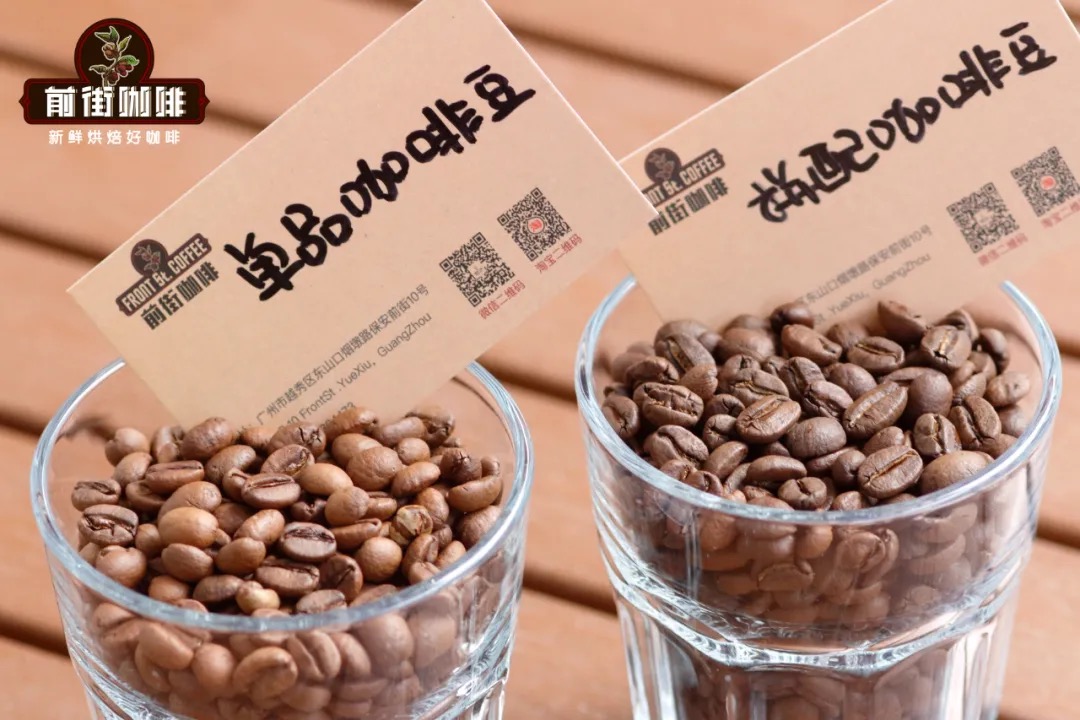
Commonly available coffee beans can generally be divided into two main categories: single-origin beans and espresso blend beans. Single-origin beans usually come from a single region or specific farm, offering clear and layered flavors that allow you to appreciate the unique character of coffees from different areas. Espresso blend beans, on the other hand, are made by blending beans from different regions in specific proportions, aiming for stable flavor and balanced mouthfeel. They are typically used for espresso or milk-based drinks, offering a richer and more robust taste.
If you mainly use pressure-based equipment such as a moka pot, home or commercial espresso machines, then it’s recommended to prioritize espresso blend beans. These beans are specially roasted to release rich crema and a full-bodied taste under high pressure. Conversely, if you prefer pour over, French press, cold drip, cold brew, siphon, or drip-style Americano machines, then single-origin beans are a better choice, as they more faithfully present the unique flavor characteristics of their origin.
However, it’s worth noting that this isn’t absolute. Some shops adjust the roast profile according to different brewing methods, making single-origin beans suitable for pressure extraction, or giving blends a brighter acidity and fruity notes for filter brewing. Therefore, understanding your brewing tools and preferences, and then choosing the corresponding beans, will give you clearer direction.
“Look for beans with a one-way valve and check the roast date to find the best flavor window”
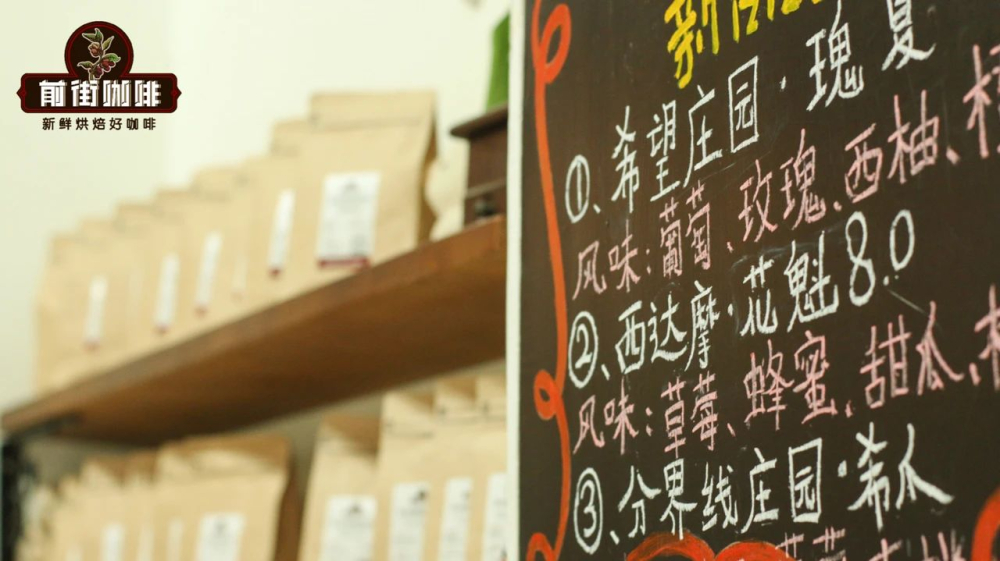
The flavor of coffee beans gradually fades over time, so freshness is one of the key factors affecting coffee taste. Especially after roasting, beans still contain a lot of carbon dioxide and may have smoky or rough notes. Brewing them directly could affect the overall flavor, so it’s essential to confirm the roast date when purchasing.
Generally speaking,single-origin beans begin their flavor development period 15 to 20 days after roasting, and their optimal tasting period is within 30 days post-roast. As forespresso blend beans, it’s recommended to use them within 30 days of roasting, with the optimal flavor window extending to around 45 days, as they are usually roasted darker and offer greater flavor stability.
However, freshly roasted coffee beans are not suitable for immediate brewing. At this stage, the beans are still in the “degassing phase.” Brewing them too soon—by grinding and extracting—can not only interfere with extraction due to excess gas, but also negatively impact taste due to smokiness. Therefore, it’s advised to let freshly roasted beans rest in a bag with aone-way valveto allow carbon dioxide to release naturally while preventing oxygen and moisture from entering and affecting the flavor.
Resting time varies depending on roast level:3–4 days for light to medium roasts, about 5–6 days for medium-dark roasts, and for espresso blend beans, 7–10 days of restingis recommended to achieve the most balanced extraction.
“Choose your favorite single-origin beans based on region, roast level, and flavor description”
If you prefer pour over or filter coffee, you can refer to regional characteristics when selecting single-origin beans. Generally:
- African regions (such as Ethiopia, Kenya) often feature prominent floral, fruity acidity, and tea-like notes, suitable for light to medium roasting to highlight their vibrant fruitiness.
- Central and South American regions (such as Brazil, Guatemala, Colombia) commonly exhibit nutty, caramel, and chocolatey tones, mostly medium roasted for balanced and smooth flavors.
- Asian regions (such as Indonesia, Vietnam, India) tend to have heavier profiles due to processing methods and altitude, often with earthy, spicy, and low-acid characteristics. Medium-dark roasting better showcases their rich side.
If you’re unfamiliar with regional flavor profiles, you can also refer to the “flavor descriptions” provided by the shop. For example, descriptions featuring words like “citrus,” “berries,” “floral,” or “tea-like” usually indicate light to medium roasting, with bright acidity and refreshing taste—ideal for those who enjoy fruity acidity. Descriptions leaning toward “nuts,” “dark chocolate,” or “cream” often suggest medium to medium-dark roasting, with rich taste and lower acidity. Mentions of “winey,” “intense fruit,” or “fermented” notes may point to specialty processed beans, such as honey or anaerobic fermentation, which have distinctive and recognizable flavor profiles.
“Choose whole beans or pre-ground coffee?”
Many shops offer ground coffee services, which is indeed convenient for users without grinders. But if you’re aiming for the best flavor, it’s recommended to buy whole beans. Once coffee is ground, its surface area exposed to air increases significantly, causing flavor and aroma to dissipate quickly—especially if left unused, it’s more prone to moisture or oxidation.
If you drink coffee frequently, it’s advisable to invest in a cost-effective hand grinder (around 200 yuan or more) and grind beans just before brewing. This preserves maximum flavor and allows you to adjust grind size according to your brewing method. If you really don’t want to get a grinder, consider coffee pods—these are pre-ground and packed in filter bags, ready to brew with hot water. They’re convenient and retain relatively full flavor, but it’s best to consume them within 30 days of purchase for optimal taste.
The above content is compiled by CoffeeHunters, a coffee news website.


