








Introduction:The fascinating golden crema on top of an espresso is not just a visual treat—it’s also closely tied to the coffee’s flavor and quality. This article delves into the mechanisms behind crema formation, explores the key factors that influence its texture and stability, and offers practical blending suggestions and brewing tips. By observing the state of the crema, you can diagnose extraction issues, and gradually master the techniques for consistently extracting rich crema through adjustments in pressure settings, bean freshness, grind size, and more.
One of the souls of espresso lies in that delicate layer of golden, fine-textured foam floating on the surface—crema. Though it may seem like a simple layer of bubbles, this foam is actually composed of various compounds from the coffee. It not only affects appearance but also plays a crucial role in overall flavor and mouthfeel. However, many coffee enthusiasts often struggle at home with thin, pale, or even completely absent crema when brewing their own shots. So how exactly is crema formed? And how can we achieve an ideal layer of crema by selecting the right beans and adjusting brewing conditions?
In short, crema is the result of the interaction between insoluble oils in coffee and carbon dioxide dissolved in the liquid under high pressure. When an espresso machine extracts coffee at around 9 bar of high pressure, the carbon dioxide within the coffee grounds cannot escape due to the pressurized environment and is forced to dissolve into the water, forming stable microbubbles along with emulsified oils. These bubble clusters are less dense than the surrounding liquid, so they gradually rise and accumulate at the surface, creating the familiar golden layer of crema.

This layer of crema not only gives espresso its enticing appearance but also contributes to a richer mouthfeel and layered aromas during drinking. It even plays a supporting role in latte art, helping designs appear clearer and last longer. Therefore, being able to consistently produce high-quality crema not only enhances the overall quality of the coffee but also brings a greater sense of achievement to the brewing process.
Based on practical experience, the primary condition for extracting an espresso with rich and well-textured crema is selecting the right coffee beans. It’s recommended to prioritize medium-to-dark roasted blends and ensure the beans are within their optimal freshness window (usually within 1 to 45 days after roasting). Additionally, including a moderate amount of Robusta beans in the blend can help enhance the texture and thickness of the crema, as Robusta typically contains higher levels of gases and oils.
For example, if you’re a professional running a coffee shop and are looking for a stable, richly crema-ed output, you can opt for a blend consisting of Colombian, Brazilian, and Robusta beans. Such blends are usually aromatic and have thick layers of crema, making them suitable for high-volume environments. For home users or beginners who want a balance between ease of use and good crema performance, a blend that combines Indonesian Mandheling and Brazilian beans with a small amount of Robusta is recommended. This can enhance body and crema fullness, making it particularly suitable for milk-based drinks like lattes and for creating latte art.
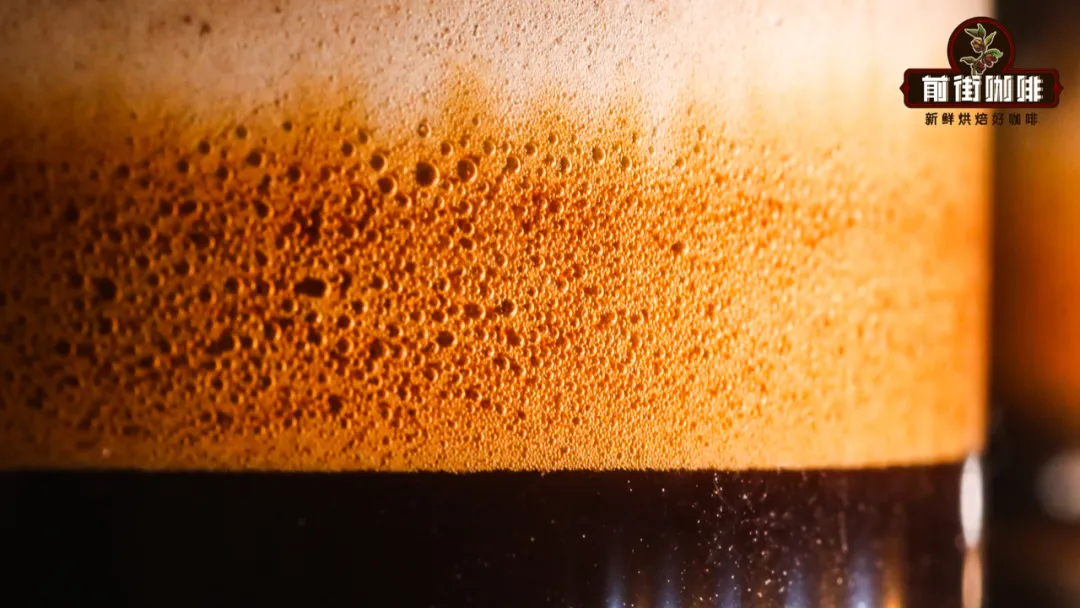
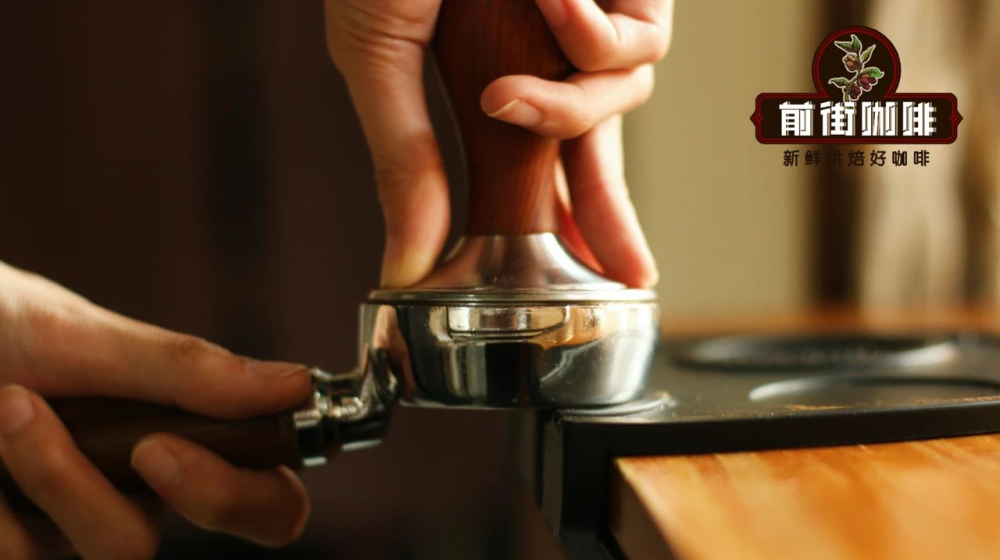
Of course, simply choosing the right beans isn’t enough. To extract beautiful crema, a series of conditions must come together: freshly ground coffee, stable high water temperature, sufficient extraction pressure (ideally reaching 9 bar), and the right grind size and tamping pressure. Neglecting any one of these factors could lead to thin or even absent crema.
For instance, if you find that your espresso has no crema at all or only an extremely thin layer, it might be because the coffee beans have been stored for too long, leading to significant loss of internal carbon dioxide. Other common causes include insufficient pressure from the machine, too low water temperature, too coarse a grind, or inadequate tamping. It’s recommended to check the packaging date of the beans before brewing and ensure the equipment is functioning properly.
If the extracted crema is somewhat thick but appears white in color and carries a noticeable sharp acidity, it’s likely that you’ve used beans that are roasted too lightly—for example, medium-to-light roast beans that are typically better suited for pour over. These beans are prone to under-extraction under the high pressure of espresso brewing, resulting in prominent acidity and an unhealthy-looking white crema.
Additionally, if the crema surface is rough, overly bubbly, and dissipates quickly, it’s usually due to using coffee beans that are too fresh. Freshly roasted beans release large amounts of carbon dioxide, and excessive gas can interfere with the emulsification and stability of the oils, causing the crema structure to be loose and collapse rapidly.
Finally, if the crema appears clumpy, feels like “over-whipped milk foam,” has an uneven surface, and poor fluidity, this may also be a sign of over-tamping or uneven extraction. Crema in this state not only looks unappealing but also affects the overall smoothness of the mouthfeel.
In summary, achieving a beautiful and expressive crema hinges on understanding its formation principles and carefully adjusting every aspect—from bean selection, freshness, and roast level, to grind settings, water temperature, and pressure. By observing the color, texture, and stability of the crema, you can also quickly assess whether the extraction was successful, then optimize each step to consistently brew satisfying espressos.
The above content is compiled by CoffeeHunters, a coffee news website.


