







Introduction:Have you ever hesitated in front of a coffee shop menu, unsure about the differences between Americano, latte, and cappuccino? This article will delve into the distinctions among these three classic coffees from three perspectives—historical background, recipe structure, and flavor characteristics—and provide practical brewing parameters and expert advice to help you better understand the unique charm of each coffee. Whether you're ordering or making your own, you'll feel more confident.
When walking into a coffee shop and facing the menu items Americano, latte, and cappuccino, many people may recognize the words but not understand the differences between them. This article will explain the characteristics of these three common coffee drinks in an easy-to-understand way, from historical origins and ingredient ratios to flavor profiles. It also combines professional extraction methods and actual parameters so that you can not only understand the menu content but also grasp the production logic behind each cup of coffee.
Many customers often feel confused when ordering: they recognize every word, but don’t understand what the combination means. In fact, it’s the most common items—Americano, latte, and cappuccino—that cause the confusion. Next, we’ll break down their ingredients and features one by one to help you build a clear understanding of coffee.
Americano
The English name for Americano is “Americano,” which literally translates to “American’s coffee.” The name itself reveals its historical background. During World War II, American soldiers stationed in Italy found that the local espresso was too strong and didn’t suit their preference for milder flavors. As a result, they began diluting the espresso with hot water. This drinking method later spread back to the United States with the soldiers and gradually evolved into the Americano we know today.
In terms of recipe, an Americano is made by adding hot water to a shot of espresso. The common ratio of espresso to water ranges from 1:5 to 1:8. The most notable feature of this drink is its high caffeine content paired with a clean and refreshing taste, making it suitable for those who enjoy the flavor of pure coffee but prefer something less intense. For brewing, it is recommended to use medium to dark roast beans with a coffee-to-water ratio of about 1:2, and adjust the amount of added water according to personal taste.
Latte
The word “latte” comes from the Italian word for “milk,” so a latte coffee is essentially a combination of milk and coffee. Many people who order a “Latte” in Italy might just receive a glass of plain milk—the correct way to order is “Coffee Latte.” Traditional lattes originally did not have foam and were simply a straightforward mix of espresso and hot milk.
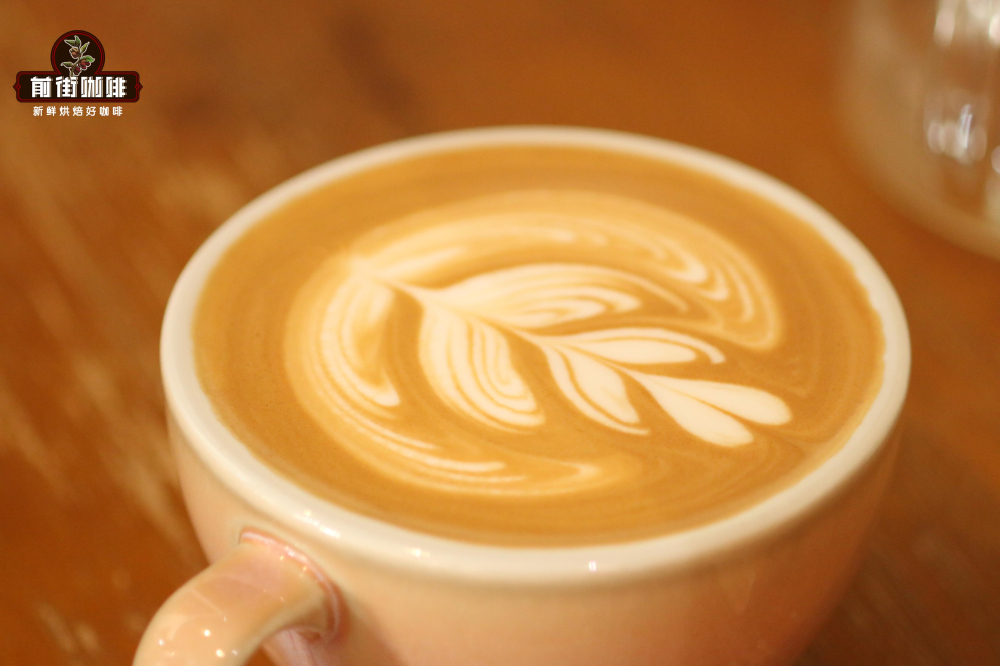
With the advancement of coffee machine technology and the popularization of steam wands, baristas were able to create fine microfoam while heating the milk. Combined with latte art techniques, this gradually led to the formation of the modern layered latte—arranged from bottom to top as espresso, hot milk, and a thin layer of foam. The common ingredient ratio is 1 part espresso, 3 parts milk, and a small amount of foam, with a total volume of around 250 to 300 milliliters. The foam thickness is usually within 1 centimeter.
It is recommended to use medium-light to medium roast beans to balance the sweetness of the milk with the layers of the coffee. The brewing method is the same as for an Americano, but the total volume is higher due to the addition of a large amount of milk, making it the preferred choice for those who enjoy a smoother taste.
Cappuccino
The name cappuccino is said to originate from the Capuchin friars of Italy, as the appearance of its foam and coffee color resembles the brown robes and white cowls of the monks. The earliest documented references date back to the 1930s, but the drink truly took shape after the advent of modern espresso machines.
The traditional recipe follows a golden ratio of 1:1:1—equal parts espresso, hot milk, and thick foam. Taking an 180-milliliter cup as an example, it typically uses a single shot of espresso (about 30 milliliters), 60 milliliters of hot milk, and 60 milliliters of fine foam, with the foam thickness reaching 2 to 2.5 centimeters. This ratio gives the drink a generous layer of foam on top. When sipped, the dense texture is felt first, followed by the gradual release of the coffee aroma.
Modern versions are often adjusted to include a single shot of espresso with about 150 milliliters of milk and 1 to 2 centimeters of thin foam, maintaining a total volume of around 180 milliliters. This preserves the classic flavor while better suiting modern taste preferences. When making it, pay attention to ensuring the foam is fine and even, avoiding large bubbles that could affect the mouthfeel.
Comparing these three classic coffees comprehensively, each has its own unique characteristics in structure, type, and flavor expression: Americano is made from espresso and hot water, classified as a black coffee, with a clean and slightly bitter taste; latte combines espresso, milk, and thin foam, categorized as a milk coffee, excelling in the sweetness of the milk and the richness of the coffee; cappuccino is a mix of espresso, milk, and thick foam, also a milk coffee, but emphasizes the silky texture of the foam and the layered release of the coffee aroma.
In actual preparation, no matter which coffee you choose, espresso is the indispensable base. Taking a common blend bean as an example, using 20 grams of coffee grounds to extract 40 grams of espresso with a 1:2 coffee-to-water ratio and controlling the extraction time to 30 seconds yields a balanced-flavor espresso base. For an Americano, it is recommended to add 180 milliliters of hot water, bringing the total volume to about 220 milliliters; for a latte, pair it with 210 milliliters of hot milk and a small amount of foam, totaling about 250 milliliters; for a cappuccino, use 150 milliliters of hot milk and 1 to 2 centimeters of thick foam, presenting a classic full-cup flavor of about 180 milliliters.
Mastering these basic recipes and parameters not only helps you order with confidence but also provides clear guidance for making coffee at home, allowing you to deeply appreciate the unique charm of each coffee.
The above content is compiled by CoffeeHunters, a coffee news website.


