







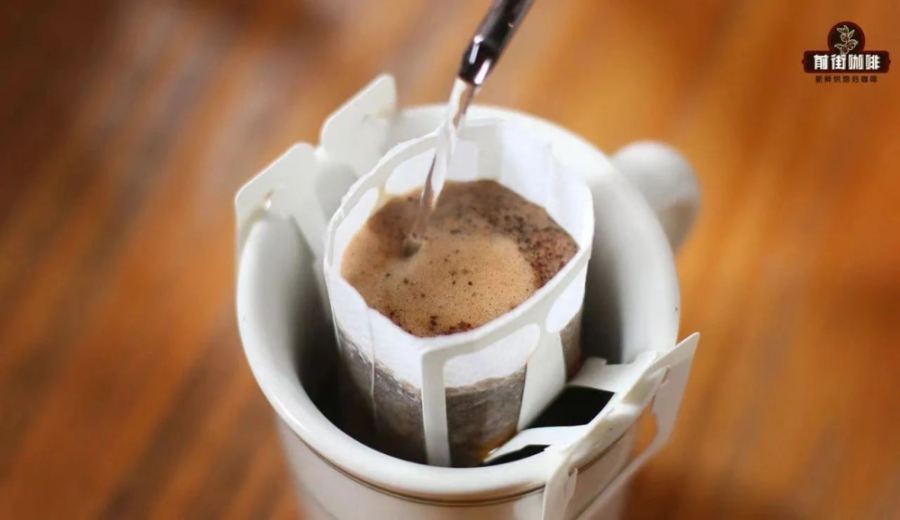
Introduction:Thanks to their convenience and ease of brewing, drip bags have become a popular choice for many coffee enthusiasts who want to enjoy a good cup of coffee anytime, anywhere. However, within each small drip bag, factors such as green bean selection, roast freshness, and the grinding and packing processes can significantly impact the final flavor. This article delves into whether drip bag coffee is made from freshly ground beans, whether the filter bag should be immersed in water during brewing, and details key techniques and parameters for pour-over drip coffee, helping you consistently brew coffee with distinct layers and rich aromas.
Drip bag coffee combines the flavor of freshly ground coffee with the convenience of instant packs, allowing you to easily enjoy a professional-level pour-over coffee even in a busy life. However, many users still have questions about the basic production method and correct brewing technique of drip bags—such as whether they are simply made by grinding beans and packing them in, or whether the filter bag should be soaked in hot water during brewing. In fact, drip bag coffee uses carefully selected freshly ground coffee powder, packaged in patented drip bag filters. These preserve freshness and flavor while making pour-over simpler.
To understand the production principle behind drip bags, it's important to know that they aren't just made by grinding any coffee beans and packaging them. High-quality drip bags usually select specialty coffee beans from specific regions, showcasing diverse flavor profiles based on different roast levels and processing methods. From the grade of the green beans and the freshness of the roast date, to the cleanliness of the grinder and grind size, as well as the packing density of the coffee powder in the filter bag, each step affects the final extraction result and taste. Therefore, choosing a drip bag coffee with solid ingredients and an appropriately roasted profile is the first step toward enjoying great flavor.
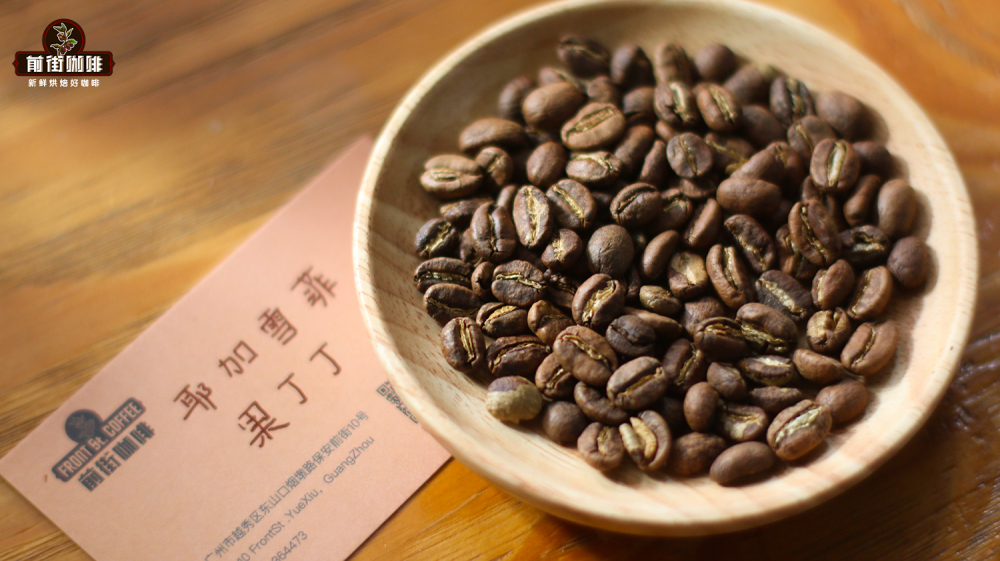
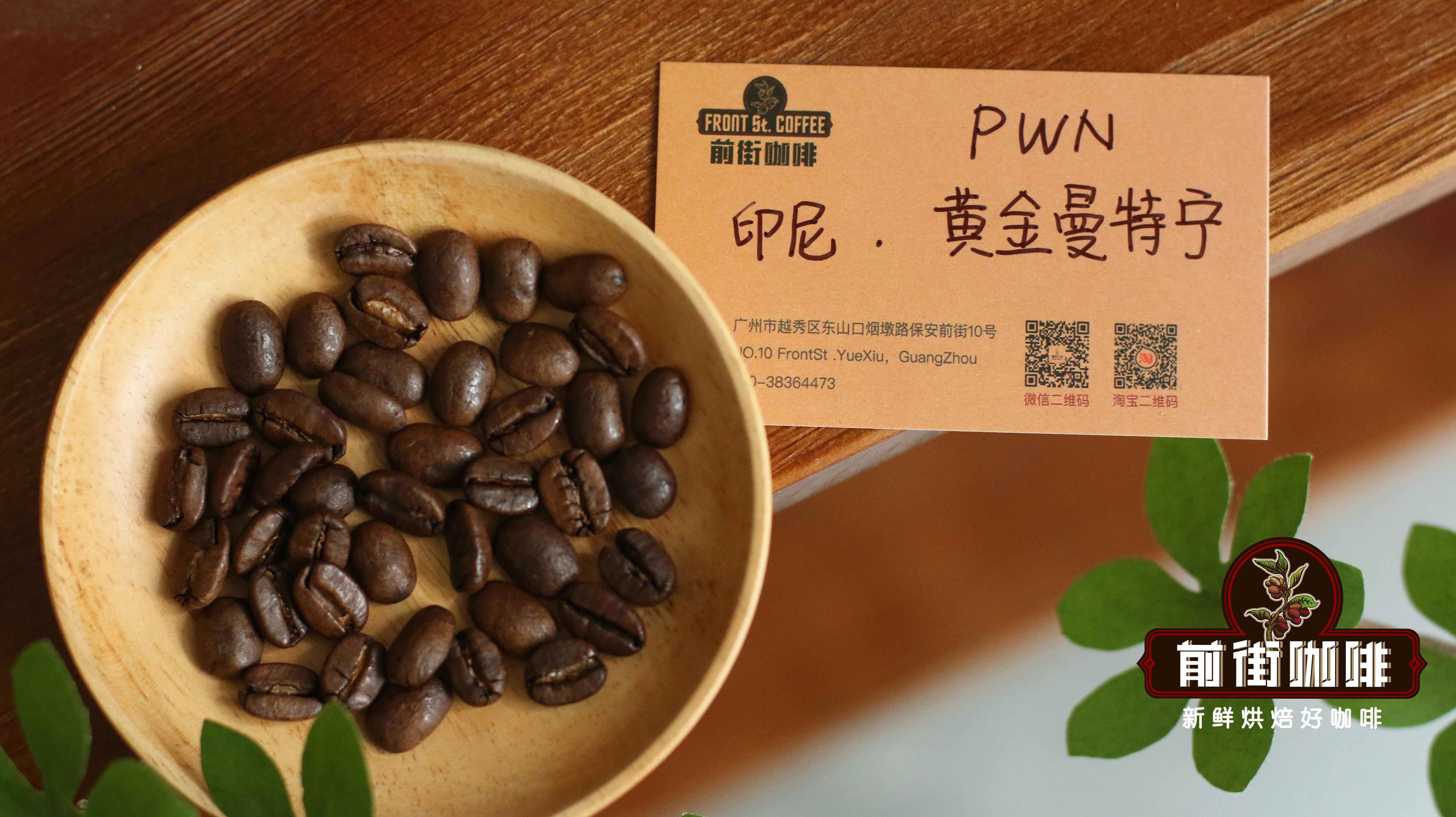
Currently, there are various flavor profiles of drip bag coffee available to suit different taste preferences. If you enjoy floral and fruity notes, you can choose drip bags with aromas of black tea and berries—these coffees often feature bright acidity and rich layers. For those who prefer refreshing fruit acidity and lively taste, varieties with aromas of cherry tomatoes and dark plums are recommended, offering clear acidity and a clean aftertaste. For users seeking balanced flavors, Brazilian or Colombian drip bags with harmonized acidity and bitterness, and a smooth mouthfeel, are great options. Meanwhile, coffee lovers who love rich and bold styles might consider high-quality Indonesian Mandheling drip bags with low defect rates—their spicy and chocolatey notes are often unforgettable.
The key to pour-over drip bag coffee lies not only in selecting the right coffee but also in mastering the details of the brewing process. Many people, for the sake of convenience, simply place the drip bag on a cup and pour water directly from a water dispenser. While this will still produce coffee, it often fails to fully showcase the coffee’s layers and aroma. If you truly want to experience the potential of drip bag coffee, it’s recommended to follow the steps below for pour-over brewing to achieve optimal flavor.
First, when opening the drip bag, take a moment to smell the aroma of the dry coffee grounds. This not only builds anticipation before brewing but also helps you preliminarily assess the quality of the coffee. If you detect obvious rancid or other off odors, it may indicate the coffee is no longer fresh, and it’s advisable to discontinue use. Then, you can gently tap the bottom of the filter bag with your fingers to evenly distribute the coffee grounds, which helps stabilize the water flow and ensures consistent extraction during pouring.
Warming the cup is also a step not to be overlooked. Preheating the cup you'll brew into helps reduce heat loss when pouring the coffee, aiding in aroma preservation—this principle is similar to chilling a beer glass. Once ready, it’s recommended to use water heated to 90 to 93°C, with the amount of water adjusted between 140 and 300 milliliters depending on personal taste preference for strength.
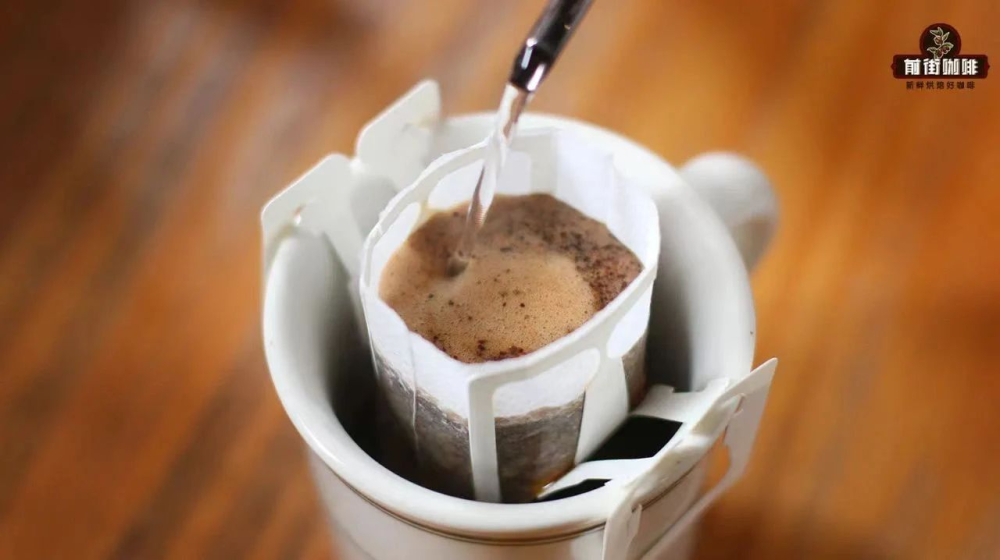
When starting the brew, begin with a 10-second bloom—that is, pour just enough water to wet all the coffee grounds and let them expand to release aroma. After the bloom, you can begin the main pouring. It’s recommended to use a circular pouring method, moving from the outside in and then back from the inside out, ensuring the coffee grounds are evenly saturated and avoiding over-extraction or under-extraction in certain areas. Keep the total pouring time within 90 to 120 seconds to achieve a more balanced extraction.
In summary, although drip bag coffee may seem simple, the craftsmanship and brewing techniques behind it are quite nuanced. Understanding whether it’s made from freshly ground coffee, grasping the correct concept of whether to soak the filter bag, and practicing meticulous pour-over steps will allow you to brew a fragrant and layered cup of coffee in any setting. Whether at home, in the office, or even on the go, you can easily enjoy a professional-grade pour-over experience.
The above content is compiled by CoffeeHunters, a coffee news website.


