







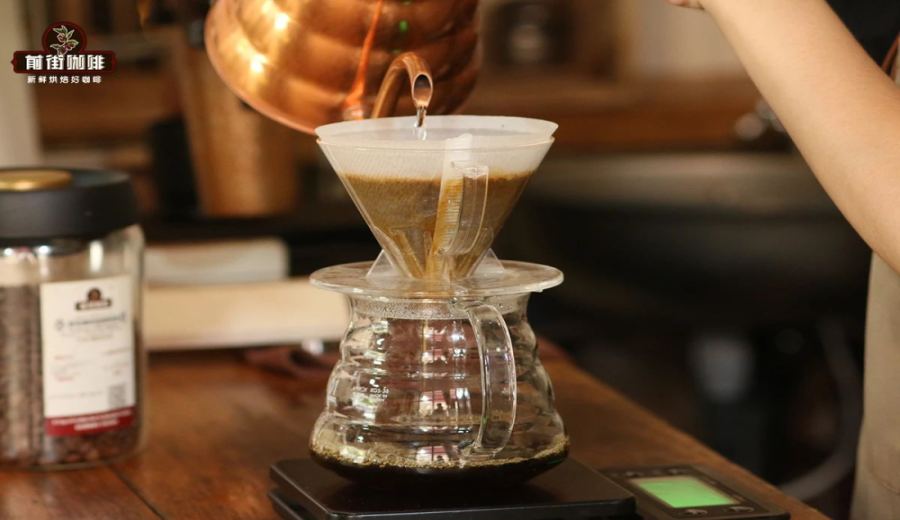
Introduction:Many beginners who have just started exploring pour over coffee often feel puzzled because the coffee they brew doesn’t turn out as ideal as expected. In fact, aside from the coffee beans themselves, mastering the correct pouring technique is also crucial to bringing out the flavors of the coffee. This article will take an in-depth look at the differences between circular pouring and center pouring, examining changes in the coffee bed, the impact of water flow disturbance on extraction evenness, and providing practical advice to help beginners avoid common mistakes and easily brew pour over coffee with rich layers and balanced flavor.
The pouring method in pour over coffee is one of the most common challenges beginners face during the learning process. Many people ask: why does the coffee I brew always taste subpar? In reality, rather than obsessing over specific pouring motions, it's more important to first master basic brewing parameters. This article will guide you through the differences between circular pouring and center pouring, observe changes in the coffee bed, analyze the causes of water flow disturbances, and further explore the impact of stirring intensity on coffee extraction. It will also answer common questions such as pouring height and the direction of circular pouring, helping you establish a stable foundation for brewing.
Although topics related to pour over coffee have been widely discussed, some basic concepts are still worth revisiting for those just starting out. Especially for beginners, instead of blindly imitating specific techniques, it’s better to first understand and apply suitable brewing parameters—this makes it easier to achieve consistent results. In fact, most coffee shops, when recommending brewing recipes, prioritize parameter settings that are compatible and easy to operate. This is also why many recommended recipes may seem similar but can effectively work with a variety of coffee beans.
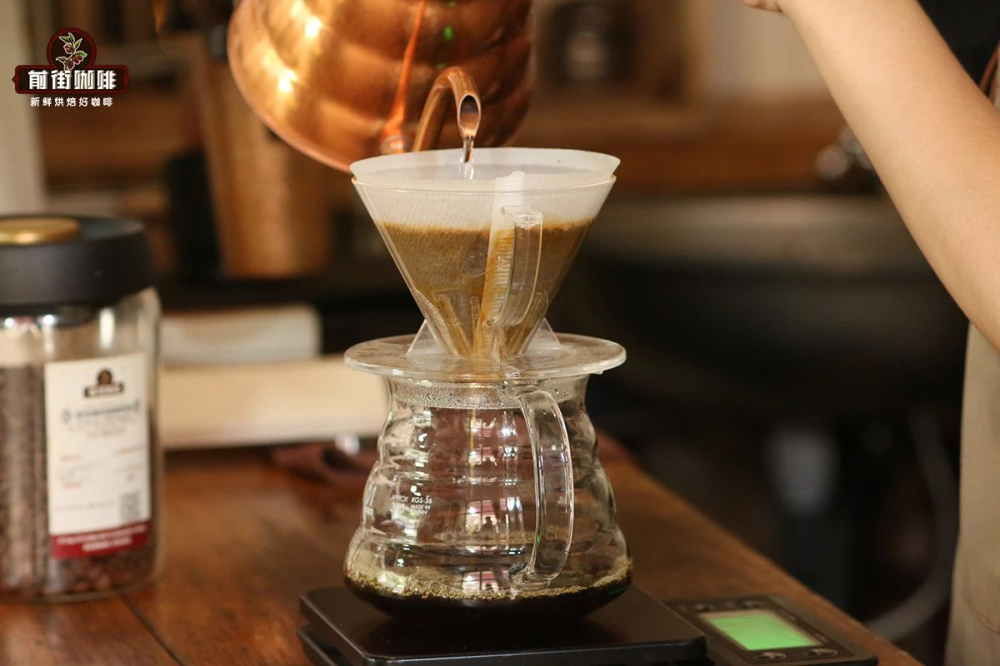
In practice, most coffee shops use the circular pouring method, though some opt for center point pouring. Next, we’ll actually observe how these two methods affect the coffee bed during pouring. Empirical testing shows that if you pour in a circular motion around the center, the water stream tends to be angled, causing the flow direction through the coffee bed to become unstable—even resulting in backflow phenomena. This leads to what’s called the “channeling effect,” where hot water concentrates and flows through certain paths, leaving parts of the coffee grounds under-extracted. At this point, if you observe the coffee bed wall, you’ll often notice one side is thicker while the other is thinner. In contrast, proper circular pouring can more evenly cover the entire coffee bed, reducing instances of localized over-extraction or under-extraction.

From the above comparison, it’s clear that circular pouring not only helps reduce water flow disturbances, but also contributes to more even overall extraction. In fact, this concept of “stirring” is something we commonly encounter in daily life—for example, when brewing instant powdered drinks, we stir with a spoon to evenly dissolve the particles. In pour over coffee, the water flow itself can serve a similar stirring function by continuously agitating the coffee bed, prompting the release of more aromatic compounds and flavor components from the coffee grounds.
However, this doesn’t mean the stronger the stirring, the better. Excessively strong water flow can not only overly agitate the coffee bed, but may also continue to cause water rotation even after pouring has stopped, thereby affecting the stability of the overall extraction. This can even introduce unwanted off-flavors or bitterness. Therefore, maintaining a smooth and gentle water flow is a key point beginners should pay special attention to when practicing their pouring technique.
Additionally, beginners should also be careful not to directly wash over the filter paper while pouring. If the pouring position is improper, it can easily damage the structure of the coffee bed, creating localized channels and causing some coffee grounds to not evenly contact the hot water—ultimately affecting the balance of the overall extraction. It’s recommended that novices start with the three principles of “slow, steady, and straight” when practicing circular pouring: slow down the pouring speed, maintain a stable water flow, and ensure the water stream falls vertically. These practices help reduce the occurrence of channeling effects.
There are also two commonly asked questions about pouring: how high should the pouring height be, and should you pour clockwise or counterclockwise? In truth, there are no absolute standard answers to either. Some brewers prefer to hold the kettle higher to increase the momentum of the water flow, but this can also cause the water temperature to drop slightly (generally, increasing the pouring height by about 8 centimeters may lower the water temperature by 0.7 to 1°C). Pouring close to the liquid surface can reduce temperature loss, but if the kettle’s spout angle isn’t optimal, it may instead cause turbulence or disrupt the structure of the coffee bed wall. Therefore, it’s recommended that beginners raise the kettle to about 2 to 3 centimeters, ensuring the water flow is vertical and stable—a more practical compromise.
As for the direction of the circular pour, whether clockwise or counterclockwise, the key is to maintain a consistent pouring direction throughout. Although there are online discussions about the correlation between the spiral design of V60 filter cones and the direction of pouring, for general users, as long as the circular pouring is even and not erratic in speed, the choice of direction is more a matter of personal habit and doesn’t require too much fuss.
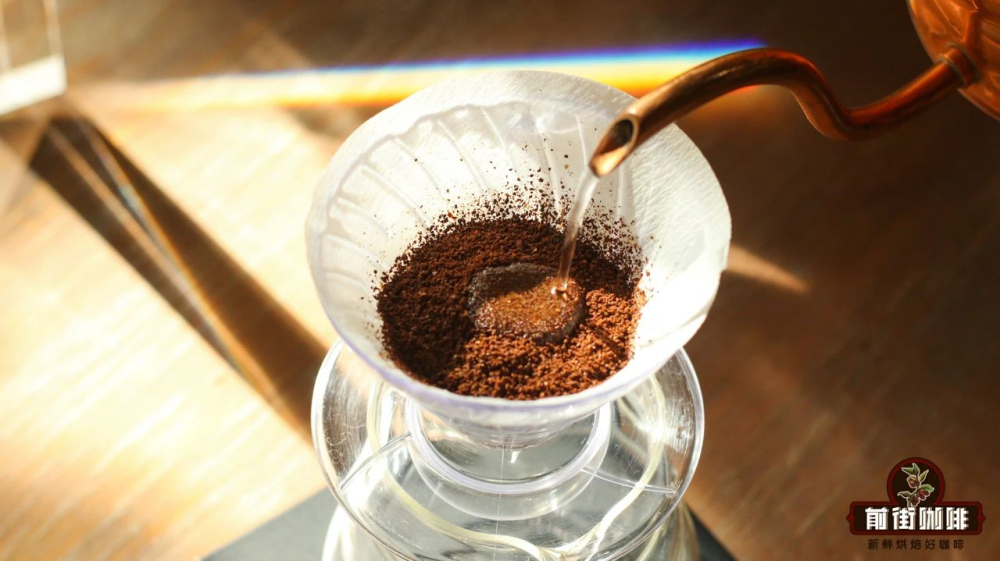
In summary, whether you choose circular pouring or center pouring, the key lies in understanding how the water interacts with the coffee bed, and using stable techniques to minimize channeling effects and uneven extraction. For beginners, rather than chasing flashy techniques, it’s better to start with the basics—gradually mastering water flow control, coffee bed coverage, and extraction pacing—to truly brew a cup of pour over coffee with balanced flavors and outstanding mouthfeel.
The above content is compiled by CoffeeHunters, a coffee news website.


