







Introduction:The allure of pour over coffee lies not only in its gentle extraction method, but also in its ability to authentically showcase the regional characteristics and terroir flavors of the coffee beans. This article focuses on the globally renowned Jamaican Blue Mountain coffee, detailing everything from the growing environment and flavor profile to market prices, and explaining why authentic Blue Mountain beans must be certified by the Jamaica Coffee Industry Board. It also offers practical bean selection advice tailored to different taste preferences, helping pour over enthusiasts accurately choose high-quality beans that suit their personal palates.
The charm of pour over coffee lies in how its delicate water flow awakens the soul of the coffee bean, restoring its most genuine regional flavors. Among the many coffee-growing regions, Jamaican Blue Mountain stands out with its unique growing conditions and distinctive flavor, making it a classic choice for many pour over enthusiasts. This article will delve into the flavor characteristics, market price range, and certification standards of Blue Mountain coffee, while providing bean selection references for drinkers with different preferences.
The Jamaican Blue Mountain coffee-growing region is located in the island nation of Jamaica in the Caribbean, spanning the Blue Mountains between the capital Kingston and Port Antonio. The main peak reaches an elevation of 2,256 meters, the highest in the entire Caribbean region. The area enjoys a cool and humid climate with abundant annual rainfall, and its fertile, well-drained volcanic soil provides nearly perfect growing conditions for coffee trees. As a result, Blue Mountain coffee develops a richly layered and harmoniously balanced flavor profile.
In the market, genuine specialty Blue Mountain coffee is quite expensive, typically priced at over 1,500 RMB per pound—two to three times the cost of ordinary specialty coffee. If sourced from specific high-altitude estates, the price can even soar to 3,000–4,000 RMB per pound, making it one of the most expensive coffee-producing regions in the world. It’s worth noting that the legally designated growing area for Blue Mountain coffee is limited to highlands above 2,200 feet in elevation, with the Wallenford estate being particularly strict, selecting only coffee cherries grown above 4,000 feet for processing to ensure even more exceptional flavor.
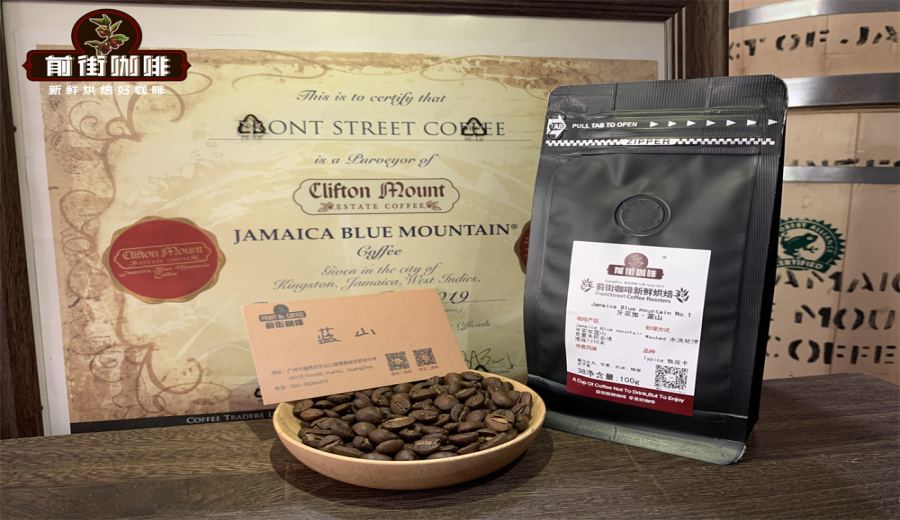
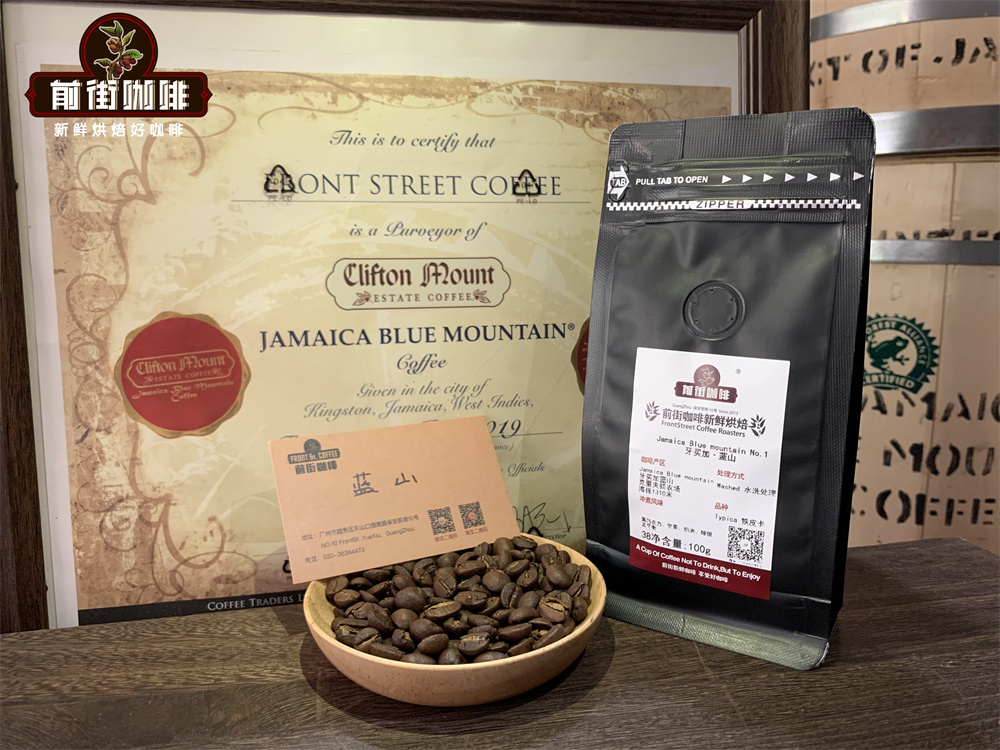
The reason Blue Mountain coffee is so highly regarded lies in its elegant floral and fruity aromas, gentle acidity, and well-balanced sweetness, with almost no noticeable bitterness upon tasting. Upon first sip, vibrant fruit notes emerge, gradually transitioning into the warm tones of cocoa and nuts, with a comforting aftertaste. For those wishing to experience authentic Blue Mountain flavor, it is recommended to prioritize beans officially certified by the Jamaica Coffee Industry Board (The Coffee Industry Board). These products not only come with strict quality assurance but also guarantee the authenticity of the “Blue Mountain” name.
It should be noted that due to the limited production of Blue Mountain coffee and its extremely high certification standards, genuinely compliant Blue Mountain beans are extremely rare worldwide, and the market has long been in a state of supply shortage. This is also why Blue Mountain coffee maintains an unshakable position in the premium coffee market. In the past, a cup of Blue Mountain coffee could cost as much as 100 RMB, and although prices have since decreased somewhat, they still hover around 50–60 RMB per cup. Considering its scarcity and quality, it remains a relatively affordable choice.
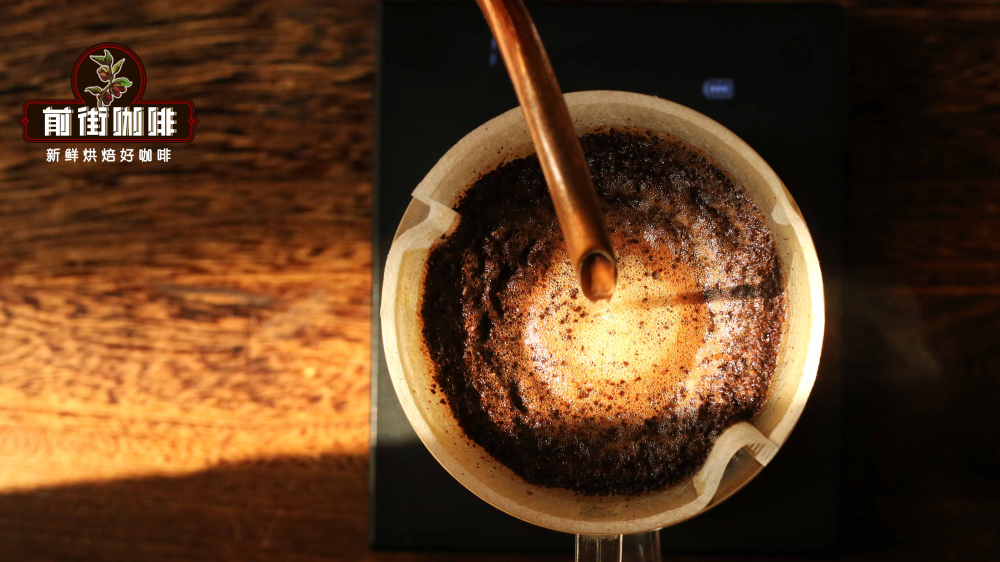
For pour over coffee enthusiasts, selecting beans that suit their personal taste is a crucial part of enjoying the pour over experience. The greatest advantage of the pour over method is its ability to delicately highlight the original flavor layers of the coffee beans, making it even more important to consider individual preferences when choosing beans. Those who prefer a rich and full-bodied mouthfeel will find Jamaican Blue Mountain coffee to be the top choice; those who enjoy mild, balanced, and impartial flavor profiles can opt for the reliable Brazilian beans; and those seeking bright floral and fruity notes with vivid acidity might want to try African-origin beans such as Yirgacheffe.
In summary, pour over coffee is not just a process of making a daily beverage, but also a ritual that brings one closer to the aesthetics of life. From understanding the terroir of the origin, mastering the flavor characteristics, to selecting the right beans based on personal taste, each step is a journey of exploration and appreciation. Equipping yourself with this knowledge will help you find your own ideal cup of coffee in the world of pour over.
The above content is compiled by CoffeeHunters, a coffee news website.


