







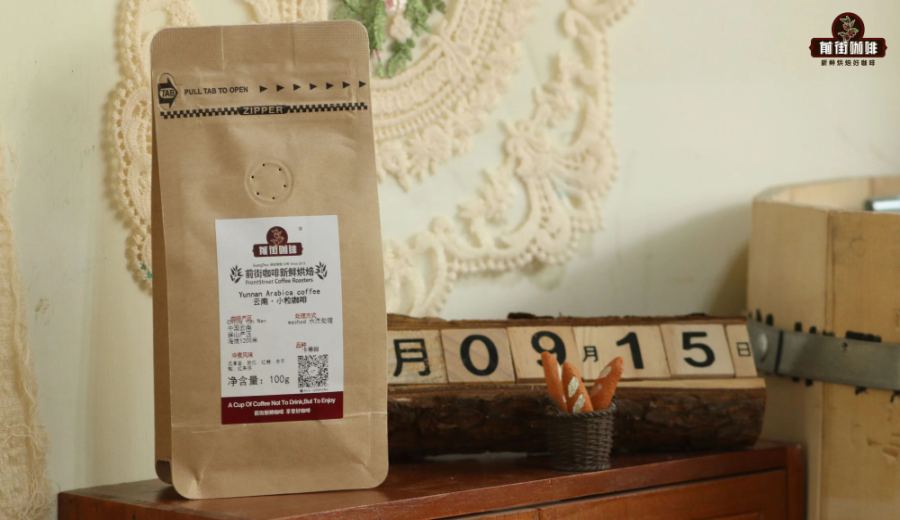
Introduction:Want to understand the true flavor and potential of Yunnan small-bean coffee? This article starts with the geographical environment of Baoshan’s Longjiang Dam, takes you through the evolution of Yunnan coffee varieties, explains the definition of “small-bean” and the advantages of washed processing, and provides professional pour over recommendations to help you extract a balanced flavor profile of nuts, brown sugar, and cream with the right parameters.
Yunnan coffee has gradually gained attention in the global specialty coffee market in recent years. This mountainous region in southwestern China not only nurtures unique terroir but has also gradually developed a distinctive coffee character. As an important birthplace of small-bean coffee, Baoshan’s Longjiang Dam area boasts the largest coffee planting base in the country. In particular, Xinzhai Village enjoys the reputation of “China’s No. 1 Coffee Village,” becoming a microcosm of Yunnan’s coffee culture.
Baoshan is located in a hot and dry river valley region, with no frost throughout the year, a warm climate, and significant day-night temperature differences, which help coffee cherries mature slowly and accumulate rich aromas and sugars. The area’s fertile, well-drained soil and moderate rainfall make it particularly suitable for coffee cultivation. This environment gives local coffee beans thinner flesh, a fresh flavor, and a natural sweetness.
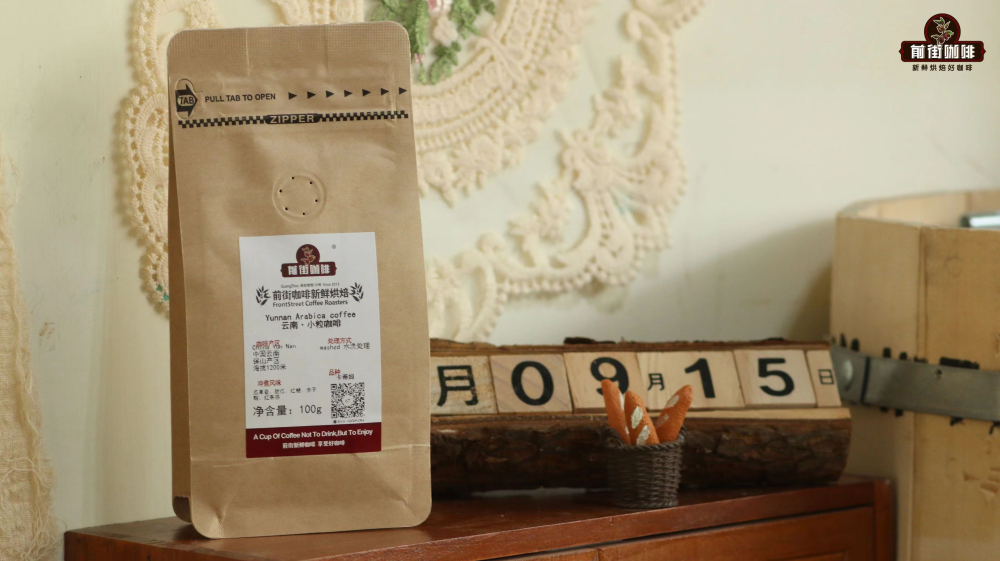
The so-called “small-bean coffee” actually refers to a category within the Arabica variety that features relatively small beans, primarily distinguished from the larger-sized medium-bean Robusta. Early varieties introduced to Yunnan include Typica and Bourbon, both belonging to the classic Arabica system. Among them, Typica is regarded as a high-quality representative and is also the base variety of the famous Jamaican Blue Mountain, known for its delicate aroma and complex layers.
However, due to Typica’s low yield and susceptibility to rust disease, many farmers have gradually shifted to the Catimor variety, which offers greater disease resistance and higher productivity. Although classified as Arabica, Catimor contains about 25% Robusta genetics, giving it stronger environmental adaptability and faster maturation characteristics. At the same time, it may also exhibit more pronounced “herbal” or “earthy” tones, which is the source of many consumers’ first impression of Yunnan coffee.
In terms of processing methods, due to the rugged terrain and difficult harvesting, coupled with the general lack of large-scale equipment among local farmers, the vast majority of Yunnan coffee still uses traditional processing methods such as washed or natural sun-dried. Washed processing can significantly reduce defect rates and enhance the overall purity and consistency of flavors, making it an ideal choice for stably showcasing the potential of Yunnan coffee. In contrast, special fermentation or anaerobic post-processing techniques, while capable of producing unique aromas, may not necessarily highlight the authentic characteristics of Yunnan beans.
One brand once launched a Typica variety coffee processed using the natural sun-dried method, named “2013,” produced from its own estate in the Lincang region. These beans were fully harvested as red cherries and naturally dried in the sun to reach the target moisture content. The process required constant turning to avoid uneven fermentation, ultimately resulting in a rich sweetness and layered fermentation notes, suitable for coffee enthusiasts who enjoy unique flavors.
For roasting Yunnan small-bean coffee, a medium roast level is recommended. This roast style can balance chocolatey and nutty roasted aromas while retaining a moderate bright acidity, presenting a well-rounded flavor structure. According to cupping results, such coffees often exhibit complex flavor notes of nuts, herbs, sweet potatoes, melon, brown sugar, cream, plum, and caramel, with a clean aftertaste and lingering sweetness.
If you choose to experience Yunnan small-bean coffee via pour over, it is recommended to use a Hario V60 filter cone with a medium-fine grind (approximately 75% passing through a #20 sieve) and water at 90°C. This parameter setup helps to bring out the bean’s balanced characteristics, avoiding over-extraction that could lead to sharp acidity or bitterness.
The recommended three-stage pouring process is as follows: First, perform a bloom with twice the amount of coffee grounds in water (about 30 grams) for approximately 30 seconds to initiate aroma release; then pour water in small streams in a circular motion from the inside out up to 125 grams, pausing briefly to allow the coffee bed to stabilize; finally, pour with the same fine stream up to a total weight of 225 grams, and remove the filter cone once the dripping finishes. The entire process should be completed within about 2 minutes to help control extraction uniformity and flavor balance.
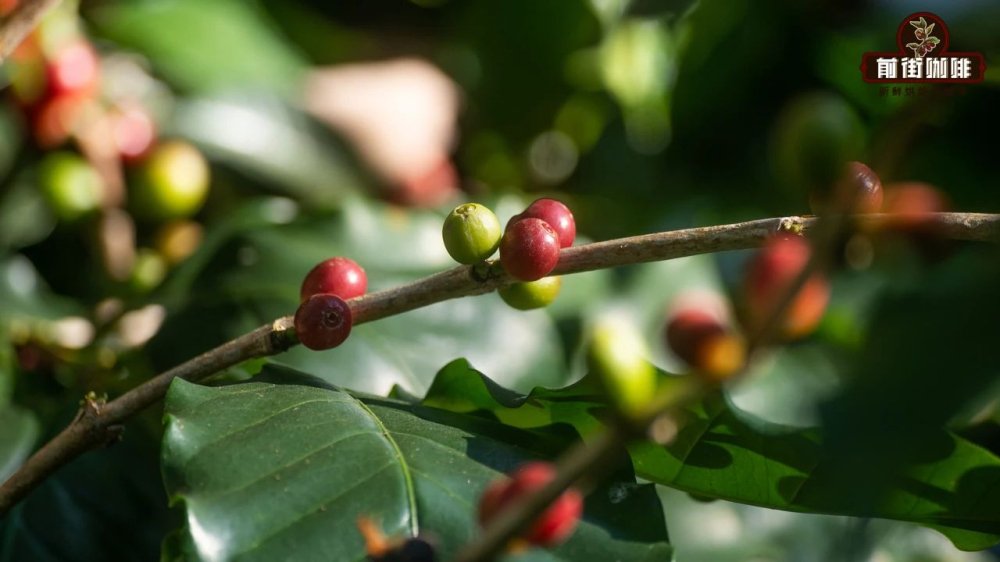
In summary, Yunnan Baoshan small-bean coffee, with its unique geographical conditions and varietal evolution, has gradually secured a place in the global specialty market. With appropriate processing and precise extraction parameters, its charming profile of nuts, cream, and sweetness can be fully revealed, making it a representative domestic specialty coffee worth exploring in depth.
The above content is compiled by CoffeeHunters, a coffee news website.


