







Introduction:Explore the rare Long Dragon Fruit coffee variety grown by Lake Tawar in Aceh, Sumatra, and learn about its Typica natural mutation background, high-altitude cultivation environment, and how the unique wet-hulling process shapes its complex flavor profile of spicy fruitiness and herbal notes. This article delves into the regional climate, processing methods, and practical pour-over parameters to help you master the brewing techniques for this "Green Gem Mandheling."
Indonesia’s Sumatra is world-renowned for its bold, low-acid Mandheling coffee, but hidden within the Aceh province of this region lies a uniquely shaped and flavored variety — the Long Dragon Fruit. These coffee beans originate from the Gayo highlands near Lake Tawar and are a natural mutation of Typica, characterized by their slender bean shape and a cultivation history spanning three centuries. The wet-hulling process imparts pronounced spicy fruitiness and herbal spice notes while maintaining relatively clean acidity, making it a must-try for coffee enthusiasts who love Sumatran flavors but want to explore something new.
Aceh is located at the northwestern tip of the Indonesian archipelago, near the equator, and features a typical tropical maritime climate with high temperatures and abundant rainfall year-round, averaging around 27°C. The local rainy season runs from October to March of the following year, influenced by air currents from Asia and the Pacific, resulting in plentiful rainfall and slightly cooler temperatures. The dry season occurs between April and October, dominated by continental air masses from Australia, leading to drier and hotter air. This distinct climatic rhythm, combined with the nutrient supply from volcanic soils, creates an exceptionally favorable growing environment for high-altitude coffee plantations.
Lake Tawar is a crater lake situated in the Gayo highlands of northern Aceh, with a surface elevation of approximately 1,100 meters. Due to historically limited transportation, local coffee cultivation started relatively late, only becoming more common in the 1930s, and is mostly grown at elevations ranging from 1,200 to 1,600 meters. Local farmers often employ shaded planting methods, where morning mist keeps the environment moist and cool, while afternoon sunlight and occasional rain showers create a unique microclimate. Under these conditions, the coffee beans grow round and plump with vibrant green hues, earning them the nickname “Green Gem Mandheling” among Taiwanese coffee enthusiasts, while the international market commonly refers to them as Lake Tawar Mandheling.
When it comes to Sumatran coffee, many people immediately think of “Golden Mandheling.” Although the name sounds premium, it is actually a trademark registered by Indonesia’s PWN (Pusat Penyangga dan Pemasaran Kopi Nusantara) and is not an official grade classification. Since 1957, PWN has focused on exporting high-quality Indonesian coffee, enjoying an outstanding reputation in the Japanese, Taiwanese, and American markets, with exports to Japan and Taiwan accounting for over 95%. Genuine Golden Mandheling can only be produced by PWN, and each lot of green beans comes with certification documents. Consumers should check for the original PWN certificate when purchasing to avoid counterfeit products.
Returning to the star of this introduction — the Long Dragon Fruit coffee. This variety originated in Ethiopia’s Harrar region and was later introduced to Aceh Province, where it has been cultivated for three hundred years. Its most distinctive feature is its slender bean shape, hence it is also called “Long Bean Mandheling,” and it is a natural mutation of Typica. Due to its slow growth rate, it takes about seven years from planting to first fruiting, much longer than the typical three to four years for most coffee trees. Coupled with relatively low yields per plant, it is considered quite rare in the market.
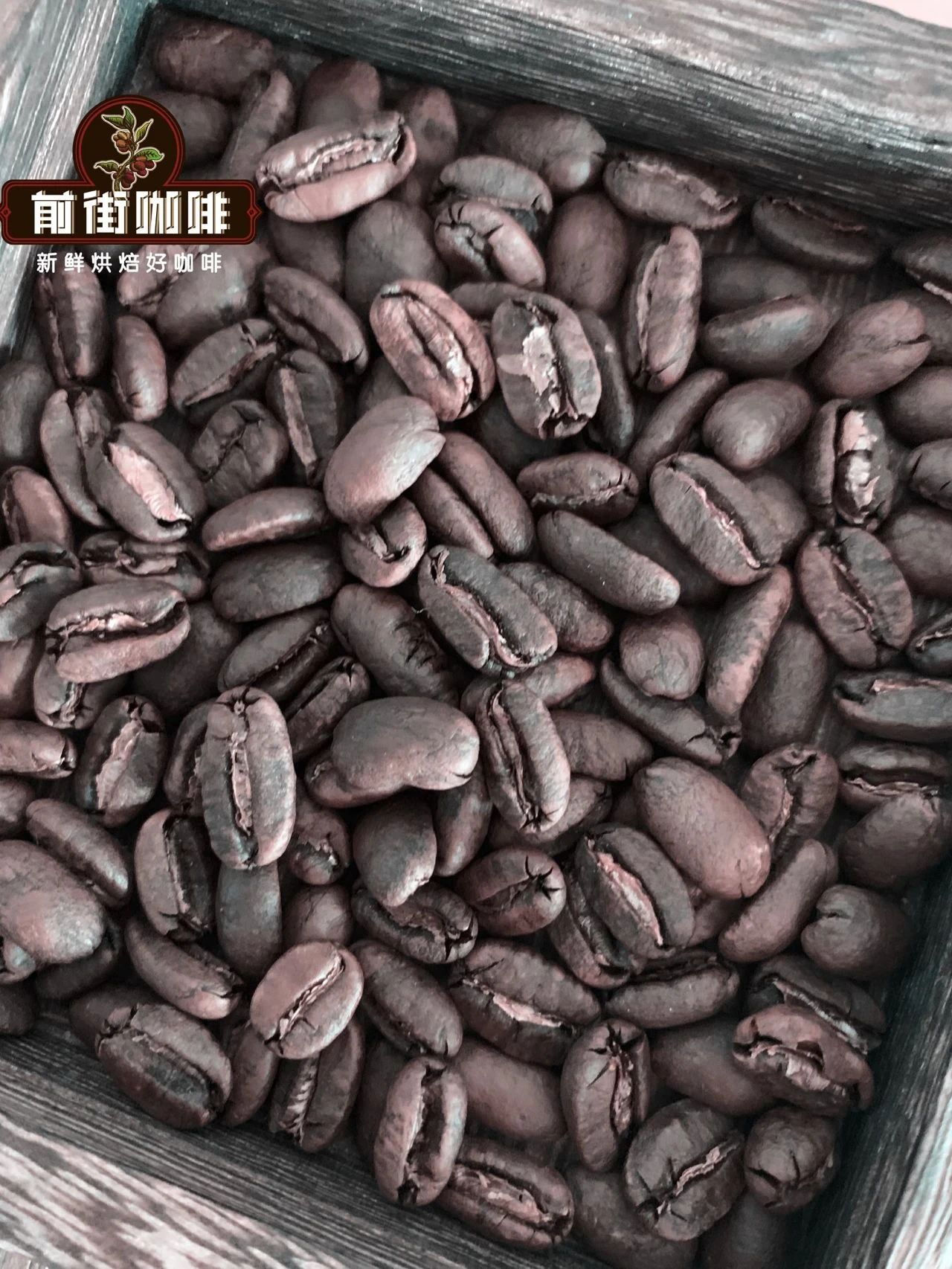
In terms of processing, this coffee employs Indonesia’s unique wet-hulling method (Giling Basah). The process begins with the removal of the skin and pulp, followed by a brief fermentation and initial drying. The mucilage and parchment layers are then removed, and the beans are further dried to a moisture content of approximately 12%. Since the overall drying time is shortened to just two to four days, not only is the process expedited, but the acidity is also significantly reduced, while body and flavor complexity are enhanced. Coffee beans processed with this method often exhibit crushed cracks on the surface, with a darker greenish color, and flavors that typically include herbal, grassy, woody notes, along with prominent caramel and fruity undertones, perfectly embodying the classic characteristics of the Sumatra region.
If you’d like to brew this Long Dragon Fruit coffee at home, it is recommended to use a Kono filter. The ribs of this filter cup only extend halfway up the cup, allowing it to closely adhere to the filter paper after pouring water, effectively restricting airflow and extending the water absorption time of the coffee grounds. This results in a more even extraction and enhances the rich body. Additionally, the groove design at the bottom of the Kono aids in creating a siphon effect, improving extraction stability.
Recommended brewing parameters are as follows: water temperature controlled at 87–88°C, grind size similar to coarse sugar (approximately 70% passing through a Chinese Standard No. 20 sieve), and a coffee-to-water ratio of 1:15, using about 15 grams of coffee powder per brew. Specifically, start with a 30-gram bloom for 30 seconds, then pour water in small circular motions. When the total water volume reaches 125 grams, perform the first pour. When the water level drops close to exposing the coffee bed, continue pouring until you reach 225 grams, then stop and remove the filter cup just before the water level nears the coffee bed again. The total extraction time is about 2 minutes, highlighting a balanced flavor profile of spicy fruitiness, herbal notes, and clean acidity.
The above content is compiled by CoffeeHunters, a coffee news website.


