







Introduction:Although both pour over and drip bag coffee belong to the drip extraction method, they differ significantly in design philosophy and actual experience. This article delves into the distinctions between the two in terms of extraction methods, coffee grounds state, ease of use, and flavor profiles, and explains why the same coffee beans can yield different results when brewed differently. Readers will learn how to make the most suitable choice between convenience and flavor based on their own needs.
Both pour over and drip bag coffee use the drip extraction method, where hot water gravity-penetrates the coffee grounds layer to extract soluble flavor compounds. However, there are fundamental differences in their original design intent and practical application scenarios. Pour over emphasizes freshly grinding and brewing, using adjustable parameters such as water temperature, grind size, and pouring technique to fully showcase the layers and details of the coffee beans; drip bags prioritize convenience, using pre-ground coffee so users can quickly enjoy coffee without complex equipment, but this sacrifices some aroma and flavor potential.
Although both utilize the drip principle — that is, hot water under gravity pulls aromatic compounds and soluble solids from the coffee grounds to form a clear coffee liquid — the actual experience differs greatly due to differing design purposes. Pour over focuses on controlling the extraction process and fully presenting the flavors, while drip bags optimize for convenience, making them suitable for fast-paced lifestyles or on-the-go use. Next, we’ll compare these two popular brewing methods in detail from aspects such as equipment, operation, coffee grounds state, and final flavor expression.
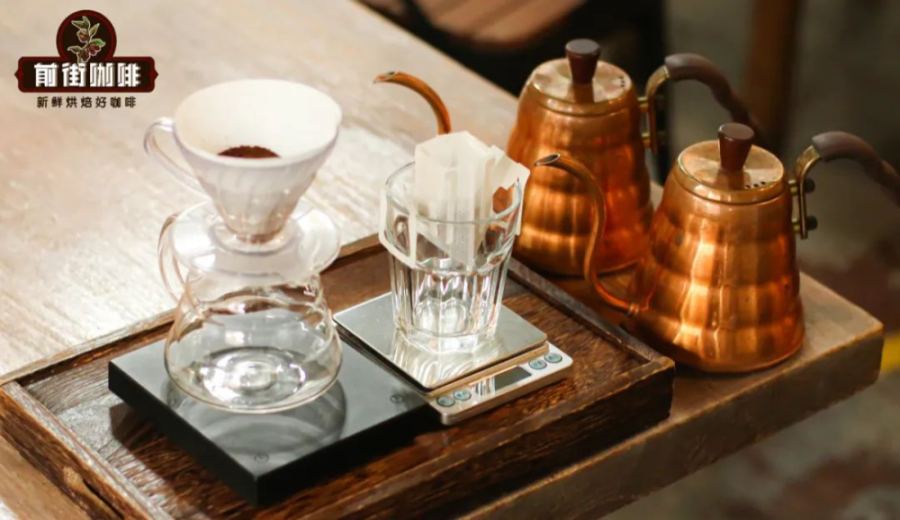
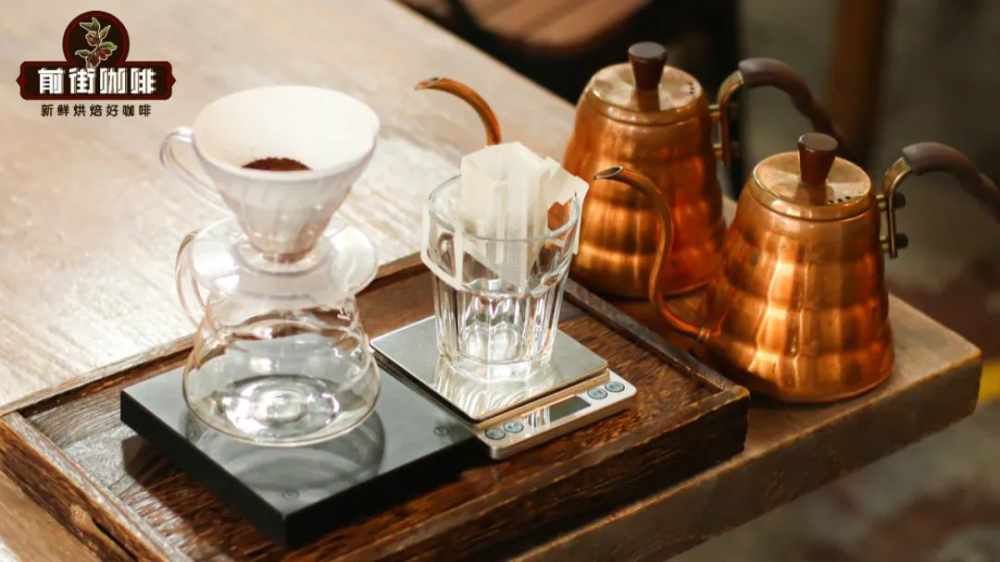
What is pour over coffee? Pour over is a manual brewing method where water flow is controlled by hand to complete extraction, requiring basic equipment such as a filter cone, filter paper, and a scale. With the rise of specialty coffee culture, pour over has become the preferred choice for many coffee enthusiasts to start with and explore, as it can intuitively present the original flavors of the coffee beans and offers great flexibility in parameter adjustments. From bean weighing, grinding, filter paper folding, pre-wetting, pouring techniques, to extraction time control, each step is personally operated by the brewer, allowing not only for personal taste adjustments but also adding a sense of ritual and enjoyment to the brewing process. In addition, pour over equipment is generally affordable, making it suitable for home setup and the enjoyment of hand-brewing.
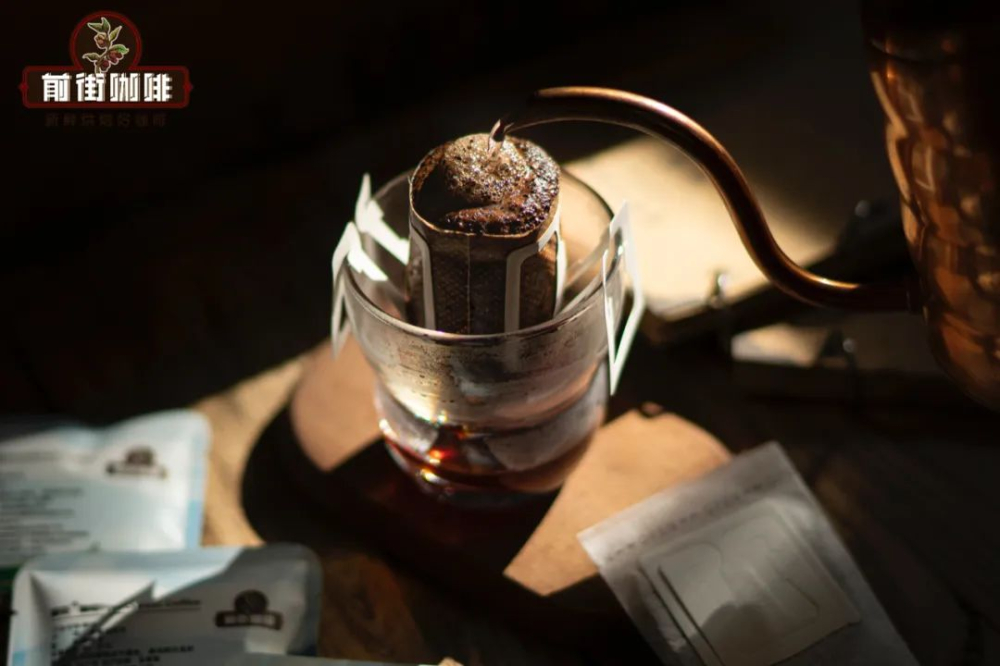
What is drip bag coffee? Drip bag coffee can be seen as a convenient version of pour over. It was first introduced by the Japanese brand UCC in the late 20th century and patented in 2001. It contains pre-ground coffee powder along with a non-woven fabric filter bag. To use, simply clip the “ear-like” cardboard on both sides of the drip bag onto the rim of a cup to secure the filter bag, then directly pour hot water to brew. This design eliminates the need for grinding beans or preparing a filter cone. With just a regular cup and a pour over kettle, you can quickly brew coffee anywhere, making it especially suitable for travel, office, or daily commuting, offering both convenience and decent flavor.
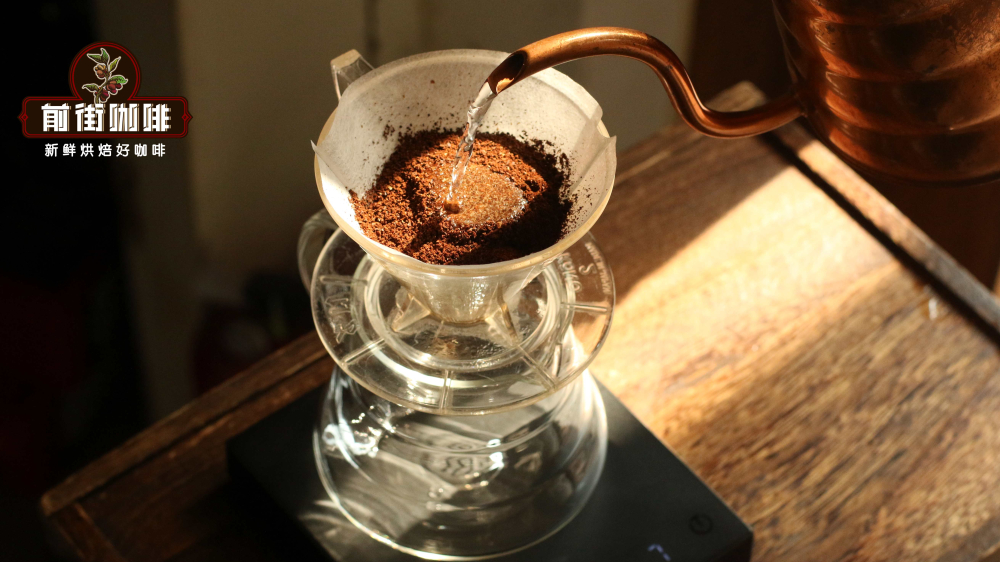
The key difference between pour over and drip bag coffee lies in the state of the coffee grounds. Pour over typically uses freshly ground beans, i.e., grinding right before brewing, ensuring the freshness and integrity of the coffee aroma; drip bags, on the other hand, use pre-ground coffee, which although has a longer shelf life, sees its aromatic compounds dissipate more quickly over time and through exposure to air. Coffee aroma mainly comes from volatile compounds, which continue to release after roasting. If the coffee bean structure remains intact and is stored properly, the aroma can last for about two months; however, once ground, the increased surface area causes the aroma to dissipate much faster, often lasting only a few weeks or even less.
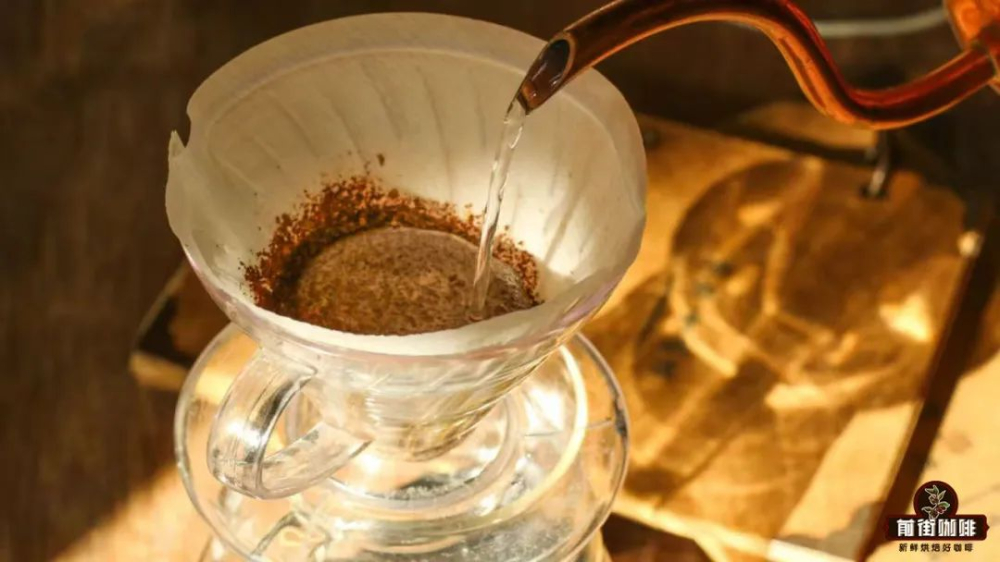
For this reason, even when using coffee beans from the same origin and roast date, pour over can often present richer aroma layers and more detailed flavors, whereas drip bags, using pre-ground coffee, tend to offer a relatively simpler flavor profile with lower aroma longevity and complexity. In addition, pre-grinding means the grind size is fixed, making it difficult to adjust according to different brewing conditions, reducing the flexibility and fun of brewing — another reason why pour over is favored by coffee enthusiasts.
However, the advantage of drip bag coffee lies in its simplicity and immediacy, requiring no extra equipment and suiting the fast-paced needs of modern life. For those who frequently travel, go on business trips, or cannot use professional equipment in the office, drip bags provide a relatively stable and easy-to-use option. As long as water temperature and pouring speed are controlled, one can still brew coffee of a certain standard.
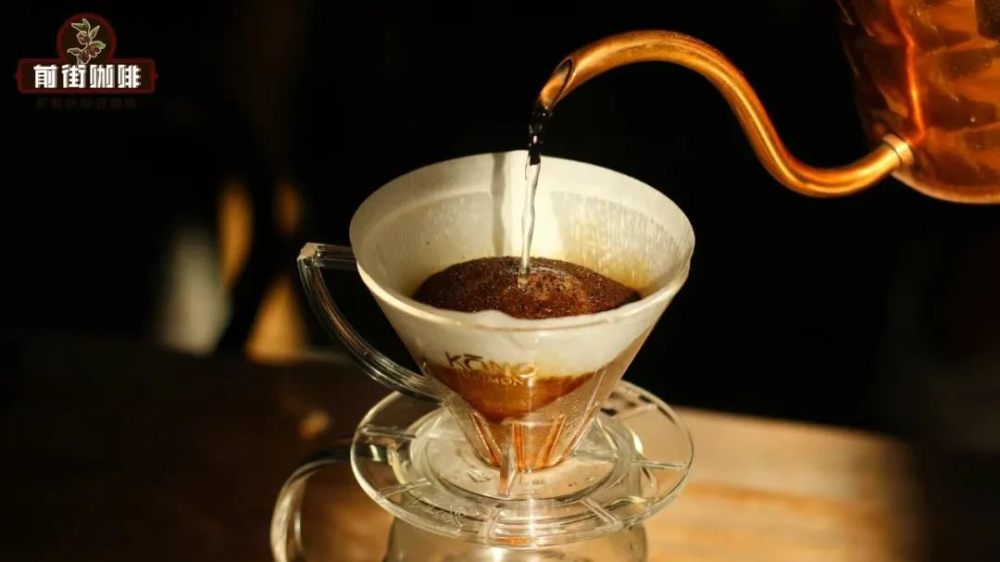
In summary, although both pour over and drip bag coffee use the same drip extraction principle, their positioning and goals are entirely different. Pour over pursues flavor diversity, layering, and a personalized brewing experience, suitable for enthusiasts who have the time and interest to deeply explore coffee; drip bags, oriented toward convenience and speed, allow busy modern individuals to easily enjoy a cup of decent-quality coffee. Regardless of which method you choose, the key is to understand its characteristics and make the most suitable decision based on your own needs and situation, rather than simply comparing which is better.
The above content is compiled by CoffeeHunters, a coffee news website.


