







Introduction:As is well known, espresso is typically made with dark-roasted beans. However, in recent years, more and more cafés have begun experimenting with light-roast beans, challenging traditional extraction methods. This article takes three Ethiopian light-roast beans—Hua Kui (natural), Guo Ding Ding (washed), and Dorothy (enzymatic washed)—as examples to conduct practical evaluations of espresso, Americano, and latte. It shares key parameters such as coffee-to-water ratio, pre-infusion time, and pressure settings, exploring the potential and limitations of light-roast beans in the espresso system, and helping you master a more flexible extraction mindset.
It is commonly believed that espresso must be made with dark-roasted beans to achieve a rich, full-bodied taste and thick crema. However, with the evolution of specialty coffee trends, many cafés have gradually reduced roast levels, even adopting medium-light profiles close to “City Roast.” Can light-roast beans truly work in an espresso system? This time, we selected three representative Ethiopian light-roast beans, using them to make espresso, Americano, and latte, observing their real performance within the espresso system, and providing practical extraction parameter suggestions.
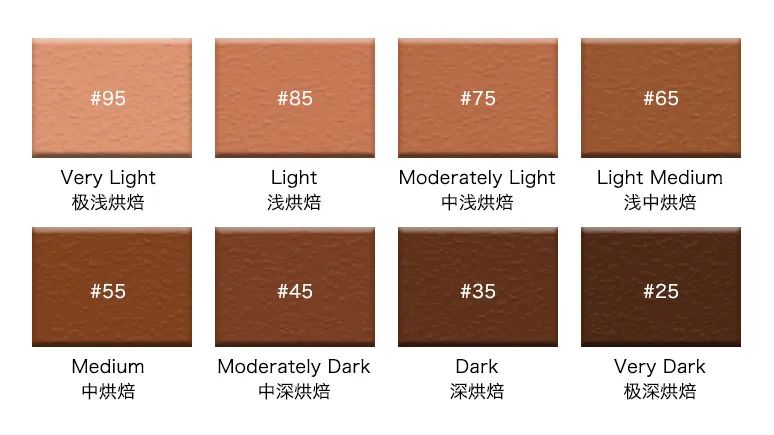
Traditionally, espresso often uses what is called “Italian Roast,” which corresponds to an Agtron value of around 25—the darkest level among the eight roast levels—and these beans usually have a noticeable oily sheen. However, nowadays, the roast level of commonly available espresso beans mostly falls around Agtron 55, classified as “City Roast,” which is noticeably lighter than in the past. This time, we went a step further and selected “light roast” and “cinnamon roast” beans within the Agtron 85–95 range—what we call light-roast beans—to explore their potential in espresso.
Why were such experiments rarely conducted before? Mainly because early espresso machines had limited functionality, and when brewing light-roast beans, issues such as overly fast flow rates and insufficient flavor extraction were common. Now, with a new machine featuring more comprehensive manual adjustment capabilities, we can more precisely control pre-infusion time, pressure, and grind size, further uncovering the expressive potential of light-roast beans.
The three beans tested this time are all from Ethiopia: one with natural processing (highlighting berry and dried fruit notes), one with washed processing (emphasizing citrus and bright acidity), and one with enzymatic washed processing (showcasing peach and oolong tea undertones). The reason all three are Ethiopian is that they already exhibit clear, layered fruit acidity and aroma when brewed via pour over, making them more valuable as a reference for testing whether similar characteristics can be presented within the espresso system.
First up is Hua Kui. If you want to use light-roast beans for espresso, the first step is to adjust to a finer grind. If you don’t, you’re very likely to end up with an overly fast flow rate and under-extracted coffee, as shown in the picture below.
After multiple adjustments, the final extraction parameters determined were: 20g dose, 8-second pre-infusion, maintaining 6bar pressure, total extraction time of 30 seconds, and 35g of extracted liquid. With these parameters, Hua Kui’s espresso emits a distinct sweet berry aroma, with a rich mouthfeel like concentrated juice, featuring jam-like texture and a slight tanginess—its overall performance is surprisingly good. Afterwards, we made hot Americano and hot latte. The hot Americano presents intense berry aroma, with a flavor like raspberry juice, almost no bitterness, and a finish with passion fruit honey notes; however, when made into a latte, the coffee flavor is almost entirely overwhelmed by the milk, leaving only a baby formula-like sweet milky taste, making the essence of the coffee less prominent.
Next is Guo Ding Ding, which is washed. Building on the experience with Hua Kui, this time we only slightly adjusted the parameters: 20g dose, 6-second pre-infusion, reducing pressure to 5bar, extracting 32g of liquid, with a total time of 26 seconds. The crema of Guo Ding Ding’s espresso dissipates quickly—before pouring hot water, there’s barely any crema left. The hot Americano still performs decently, with a clear citrus note, a round and full mouthfeel, and a finish with white floral tones, though the aftertaste is somewhat short. However, when turned into a latte, the overall performance is not ideal—the integration between coffee and milk is low, the flavor is bland, and there’s even a sense of mutual clash, failing to highlight the milk’s advantages as Hua Kui did.
Finally, we tested Dorothy. Since this bean exhibits a unique aroma reminiscent of “white peach oolong” when brewed via pour over, it has been nicknamed the “white peach oolong” bean. This time, the parameters were set to: 20g dose, 10-second pre-infusion, 6bar pressure, extracting 35g of liquid, with a total time of 29–30 seconds. The resulting espresso emits a rich peach aroma and has a three-dimensional flavor. When making a hot Americano, we directly extracted the coffee onto hot water, and the result was the best performing: intense peach aroma, with a creamy, silky mouthfeel and an oolong tea finish—the overall flavor is even comparable to high-quality pour over coffee. However, in the latte, it presents a flavor reminiscent of light cheese—unexpected, but also showing another possible interaction between light-roast beans and milk.
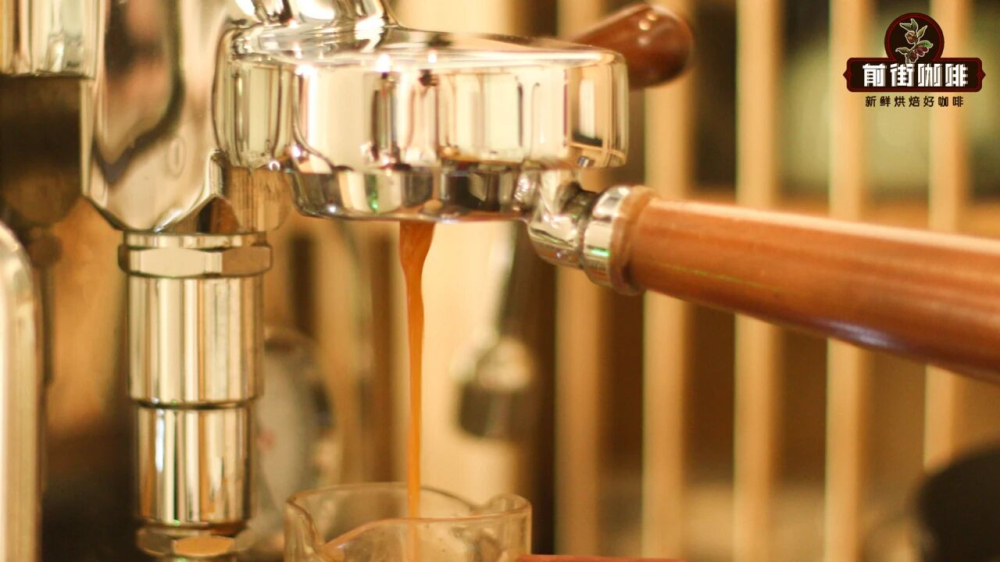
Summarizing the performance of the three light-roast beans, we can draw the following observations: when light-roast beans are used to make espresso for Americano, their original flavors are more fully expressed—if the acidity is bright and the aroma is clear, especially features like berries, citrus, and peaches, they tend to stand out. However, once mixed with milk to make a latte, the flavors of light-roast beans often become more subdued, easily overshadowed by the milk, making it difficult to showcase the details. If you still want to challenge making espresso with light-roast beans, it is recommended to start by adjusting to a finer grind, moderately extending pre-infusion time, and controlling pressure and extraction time. Through repeated experimentation to find the optimal balance, you might unexpectedly discover an espresso with a “juicy” character.
The above content is compiled by CoffeeHunters, a coffee news website.


