








Introduction:Espresso and Americano are daily choices for many coffee enthusiasts, but they differ in taste, flavor, and brewing methods. This article delves into the evolution of their definitions, core differences, and details the selection of espresso beans, extraction parameters, as well as the hot and iced Americano ratio settings. It also helps you understand how coffee beans influence the final cup, aiding you in making the most suitable choice based on your taste preferences.
With the arrival of midsummer, many opt for a refreshing iced Americano to invigorate themselves, while others are drawn to the bold and layered aroma of espresso. But if you’re asked to describe exactly what sets them apart, many may find themselves at a loss. This article will fully break down the similarities and differences between espresso and Americano—from definition and preparation to taste and practical parameters—to help you gain a deeper understanding and discover your personal coffee preference.

In coffee shops, ordering an Americano has become a daily routine for many, especially during the hot summer months. A sip of iced Americano not only perks you up but also brings a refreshing coolness. On the other hand, many consumers prefer the bold and complex flavor of espresso, which often leads to sipping one after another. But what exactly is the difference between the two? You might have had them many times, yet never truly distinguished them clearly.
An Americano is typically made by diluting espresso with hot or cold water in proportions adjusted to personal taste. Espresso, also referred to as Italian coffee by some, gets its name from the Italian-invented espresso machine. However, in most professional settings today, “espresso” is the preferred term for this highly concentrated extracted coffee. These two drinks differ markedly in brewing methods, flavor profiles, and suitable scenarios.
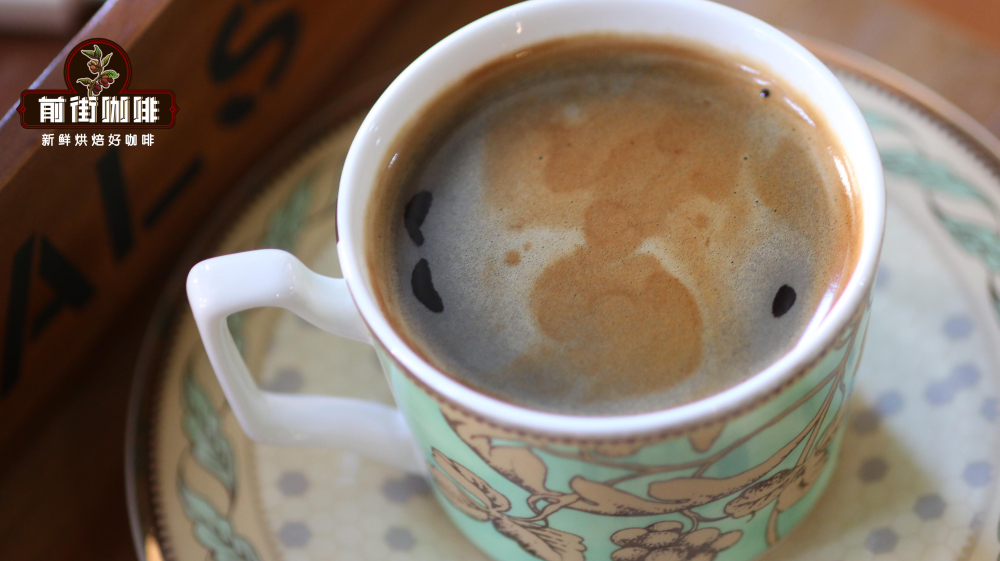
So, what kind of espresso beans are commonly used for Americano? Taking common blended recipes on the market as examples, some coffee shops choose a mix of dark and medium roasted beans to balance richness and acidity. For instance, a blend composed of Honduran sherry cask fermented beans and natural Yirgacheffe in a roughly 7:3 ratio can deliver abundant wine-like notes, caramel tones, and citrus aromas. By adjusting the roasting profile, it becomes more suitable for espresso extraction.
If using such a blend to extract espresso, it’s recommended to apply 9 bar of pressure, with an extraction temperature controlled between 90.5°C and 96°C, for about 20 to 30 seconds. The coffee-to-water ratio should be around 1:1.7 to 1:2. A single shot of espresso usually uses 12 grams of coffee grounds to yield about 20 milliliters of espresso; a double shot uses 20 grams to produce around 40 milliliters. These parameters allow for a stable extraction of a rich and layered coffee liquid, laying a solid foundation for preparing an Americano.
As for the water-to-espresso ratio in an Americano, a common standard is 1:8—that is, using a double shot of espresso (about 40 milliliters) as the base, then adding 320 milliliters of hot or cold water. However, this ratio may vary depending on the characteristics of the coffee beans and the serving size. Some shops may go with a 1:7 ratio or even start with a stronger 1:4 ratio. For example, after repeated testing, the optimal ratio for the aforementioned blend is found to be 1:4.5—that is, adding 180 milliliters of water to 40 milliliters of espresso—allowing the wine-like notes and cocoa aftertaste to shine through without losing the rich body.

When making hot Americano, it’s recommended to pour about 65°C hot water first, then add the extracted espresso. This prevents high temperatures from directly damaging the crema and helps preserve more delicate aromas. For iced Americano, you can first mix ice cubes and cold water in a 1:1 ratio to reach the desired total volume, then pour the espresso directly over it. This way, the coffee retains a clear flavor profile as it cools, making it especially suitable for post-meal refreshment or a hot afternoon pick-me-up.
In terms of taste, hot Americano, free from the interference of milk or sugar, can more directly reflect the essence of the coffee. Its flavor is relatively mild but still retains the core characteristics of espresso. Iced Americano, due to the cooling effect, feels more refreshing and is ideal for those who enjoy cold beverages or need a quick energy boost. Additionally, the choice of coffee beans and the degree of roast greatly impact the final flavor—for example, dark roasts often bring more nutty and chocolatey notes, while light or medium roasts may showcase more fruity acidity and floral aromas.
It’s worth noting that Americano is actually a broad term for black coffee. Whether it’s made via pour over, French press, or even AeroPress, any black coffee can be categorized as an Americano. In Italy, what’s commonly called “Americano” is typically prepared by placing a cup of hot water next to the espresso, allowing customers to add the espresso to the water themselves in ratios starting from 1:12, adjusted to taste.
If you want to further explore the diverse possibilities of coffee, try a pour over single-origin coffee. Every step, from pouring technique to water temperature control, affects the final flavor. Also, for those interested, you can latte art with Americano too—just foam one of the two shots of espresso to a milk-like texture, and you can create your own patterns on black coffee. Though the techniques differ slightly from milk-based latte art, it still showcases creativity and hands-on skill.
In summary, espresso and Americano each have their advocates. The difference isn’t just in concentration but also in how flavors are expressed and the contexts in which they’re enjoyed. By understanding extraction parameters, ratio settings, and bean characteristics, you’ll be more confident in choosing or crafting the coffee that best suits your taste.
The above content is compiled by CoffeeHunters, a coffee news website.


