








Introduction:Have you ever hesitated when ordering at a coffee shop, unsure whether to choose a regular blend or upgrade to an SOE? This article will take you deep into the definition and characteristics of SOE, analyzing the real differences between it and blends in terms of flavor, price, and usage, while also providing practical advice to help you make a more informed coffee bean choice based on your needs.
Modern coffee shop menus are becoming increasingly diverse. Just for a cup of latte, there could be a variety of combinations to consider, such as bean variety and type of milk. A common scenario is that a customer who originally just wanted a regular latte is persuaded to upgrade to an SOE bean, and may even be upsold to a special type of milk. So, is SOE really superior to a regular blend? Does upgrading guarantee a more delicious cup?
In fact, there is no absolute hierarchy between SOE (Single Origin Espresso, single-origin espresso beans) and blends. Many people mistakenly assume that SOE is synonymous with premium or specialty coffee, but its definition is simply that it is made from espresso beans sourced from a single origin, whereas blends are composed of beans from multiple regions in specific proportions.

In the past, blends were often used as base beans, so many consumers naturally regarded them as the “standard” option, while SOEs, often positioned as an upgrade, were misunderstood to be more premium or high-end. However, blends can also deliver exceptional flavors and delicate profiles. Some brands’ blends even surpass certain SOEs in complexity and aroma. For example, a blend combining beans from Colombia, Ethiopia, and Costa Rica can showcase a multi-layered profile of rose floral notes, berry acidity and sweetness, and caramel-like sweetness.
In the domestic market, the popularity of SOE is to some extent a result of commercial strategy. With the rapid development of specialty coffee culture, consumers generally believe that single-origin beans should have more distinctive characteristics than traditional blends, and are thus willing to pay a higher price. But this does not mean that blends are inferior in quality or flavor—in fact, they often have unique advantages in terms of balance, stability, and cost-effectiveness.
For example, a commercial blend based on Brazilian and Colombian beans, with a small amount of Robusta, can produce a rich nutty aroma—such as almond, walnut, and hazelnut—with low acidity and full body, making it suitable for mass-market tastes and everyday drinking. Such blends are not only ideal for commercial shops using them in large quantities, but also meet the needs of customers seeking stable flavors and cost efficiency.
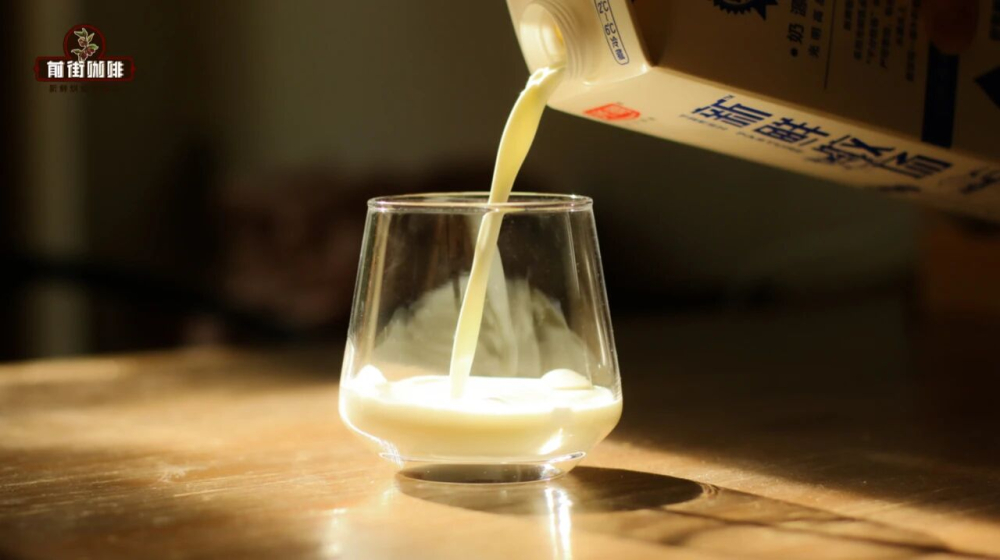
If you want to replicate the flavor of a professional coffee shop at home or in your own café, choosing a commercially blended coffee with balanced structure and clear flavor is a great entry-level and operationally stable option. Additionally, for consumers who enjoy chocolate and cocoa flavors, a blend combining washed Yunnan beans with semi-washed Brazilian beans can highlight mature plum acidity and creamy chocolate aromas, with beautiful golden crema and a well-balanced taste suitable for various uses.
It’s worth noting that the flavor of SOE is usually more distinctive, as it emphasizes the uniqueness of a single origin. For instance, Ethiopian SOEs often exhibit bright citrus, floral, and berry notes, which contrast sharply with the nutty and chocolatey tones commonly found in traditional blends. The reason why businesses prefer to promote SOE is that it highlights origin characteristics and flavor differences, thereby enhancing product appeal and perceived value.
However, from a technical standpoint, blending beans is actually more challenging. Achieving a balance among acidity, sweetness, body, and aftertaste requires an in-depth understanding of the characteristics of beans from different regions, as well as precise control over roast levels and blending ratios. Therefore, a successful blend can often achieve a “1+1>2” effect, surpassing a single-origin SOE in flavor complexity and overall performance.
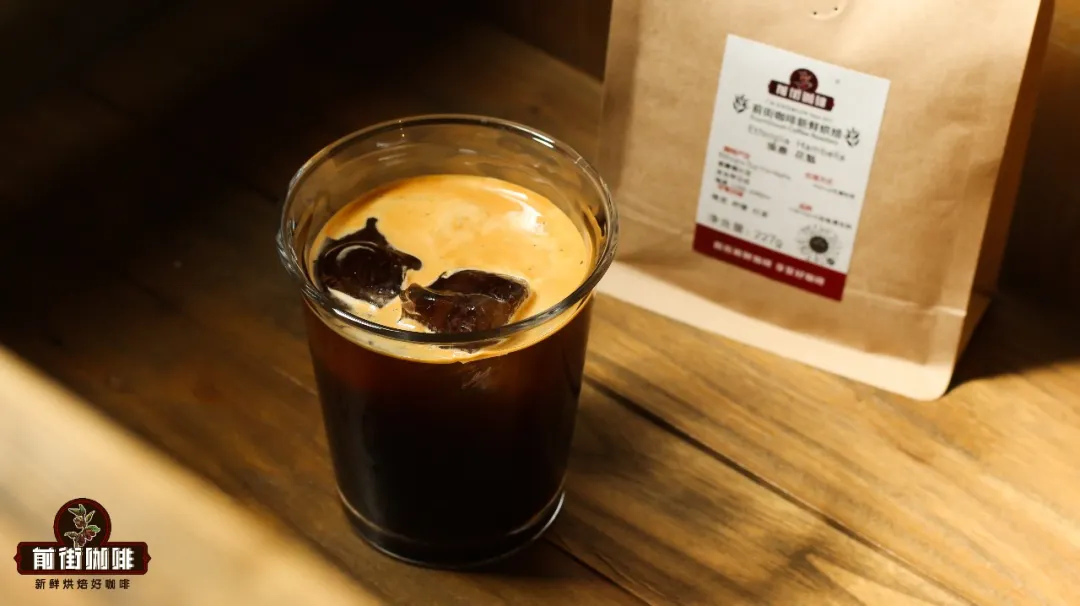
As the concept of SOE becomes more widespread, the market may see the emergence of a new trend: “specialty blends.” This means we might soon encounter more high-quality blends crafted with special processing methods, high-altitude beans, or innovative blending ratios, further blurring the line between SOE and blends.
In conclusion, both SOE and blends have their own strengths, and neither is absolutely better than the other. The choice between them should depend on your flavor expectations, usage scenario, and budget. If you’re looking for the unique flavor characteristics and layered profiles of a single origin, SOE is a great option; if you prioritize stability, balance, and cost-effectiveness, a well-crafted blend can also deliver a surprisingly delightful coffee experience.
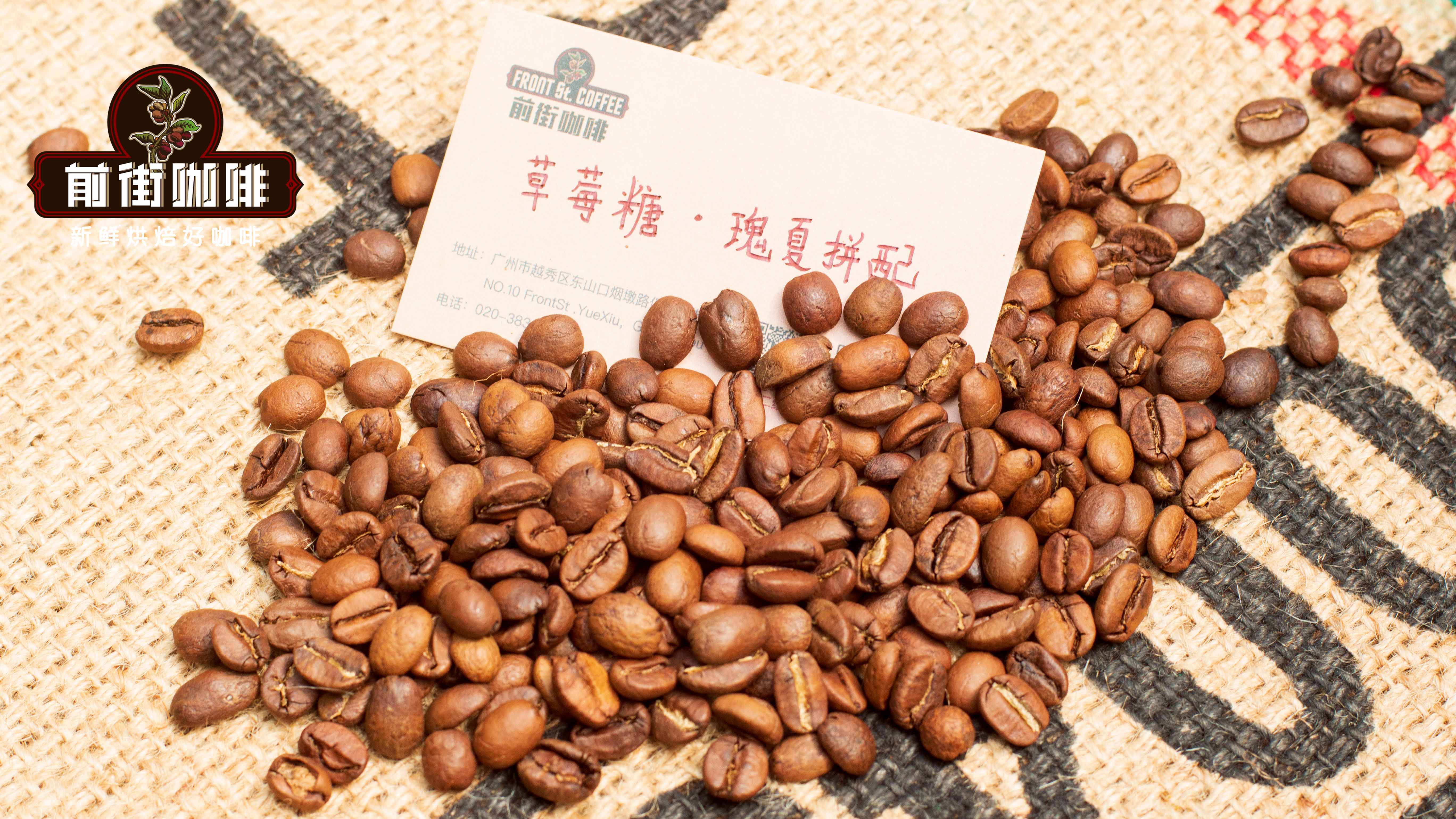
The above content is compiled by CoffeeHunters, a coffee news website.


