







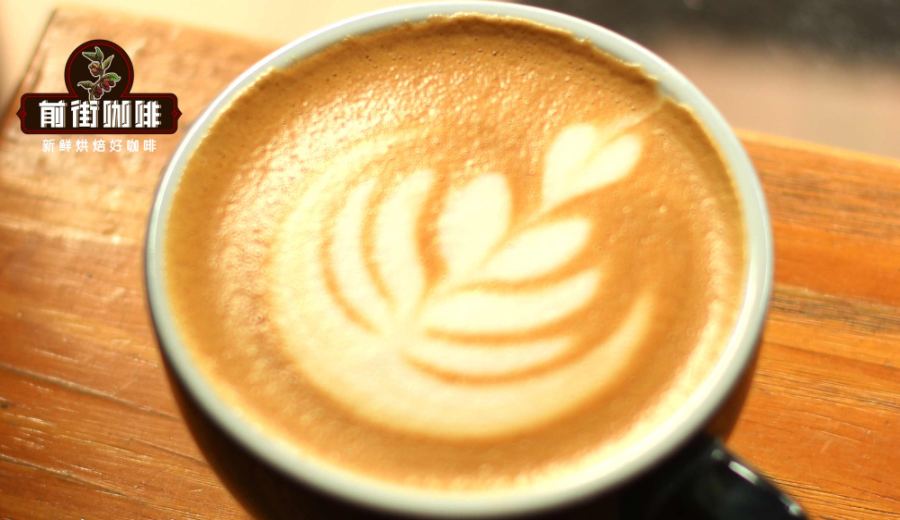
Introduction:SOE lattes, with their unique characteristics from single-origin coffee beans, have become the new favorite of specialty coffee enthusiasts in recent years. What exactly is their charm? How do you choose the right coffee beans? And what key parameters and ratios should you master during brewing? This article delves into the differences between SOE and regular blended espresso, and through practical examples, guides you step-by-step—from bean selection and grinding to extraction—on how to craft a high-quality hot latte that boasts both fruity floral notes and creamy richness.
In the world of milk coffee, the latte has always been a beloved classic. By skillfully combining espresso with milk, it not only tempers the intense flavor of espresso but also imparts a smoother, sweeter profile. However, when we talk about SOE lattes, their appeal goes far beyond that.
SOE, or Single Origin Espresso, emphasizes the use of coffee beans from a specific origin, highlighting its unique regional flavors. Compared to traditional blended beans, SOE coffee usually opts for light to medium roasts, which better showcase delicate layers such as fruit, floral, or honey notes, giving the overall milk coffee a more distinctive personality.
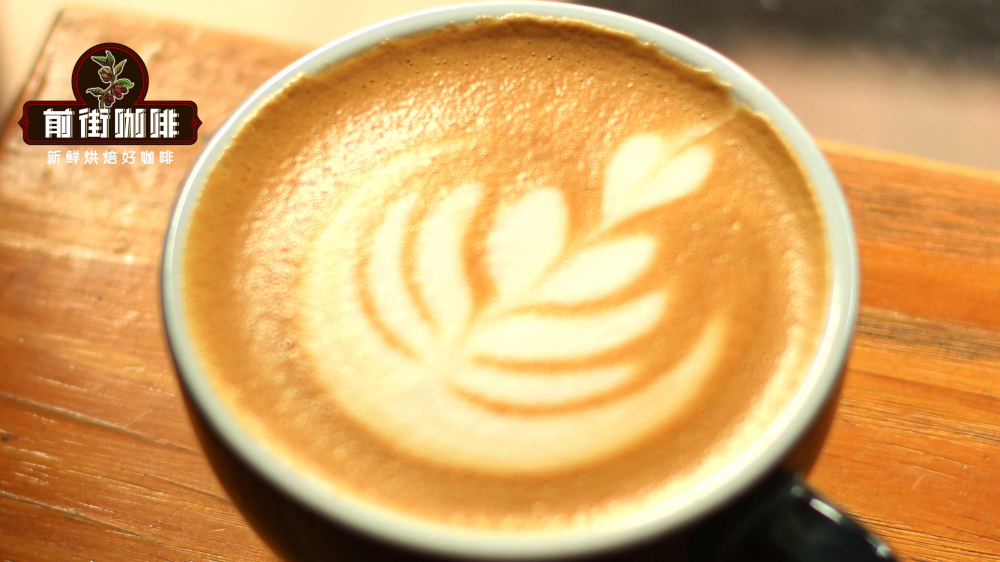
To make a memorable SOE hot latte, the primary task is understanding the golden ratio between espresso and milk. Many people encounter issues with unbalanced flavors when making it at home—either the coffee taste is too weak, or the milk overpowers the bean's character. Generally speaking,the ideal coffee-to-milk ratio is 1:5 to 1:8, but if you want to highlight the subtle fruity acidity of the SOE, it’s recommended to keep the ratio around1:5to achieve a balance between the coffee’s inherent flavor and the milk.
Given the characteristics of SOE, bean selection and roast level are crucial. Regular blends, which combine flavors from multiple regions and are often medium to dark roasted, produce rich crema and a bold, intense taste—ideal for high-volume commercial settings. In contrast, SOEs typically use single-origin light or light-medium roasted beans, such as Costa Rica Geisha or Ethiopian Yirgacheffe. These beans usually exhibit distinct citrus, berry, honey, or floral notes, but are also more sensitive, requiring more precise extraction and pairing.

One of the challenges in making an SOE latte is that the flavor compounds in light-roast beans are not as readily released as those in dark-roast beans. Therefore, more meticulous parameter adjustments are needed during extraction, including:increasing water temperature (typically recommended at 92–94°C), using a finer grind, moderately increasing coffee dose, and extending extraction timeto fully bring out the bean’s potential. Additionally, stable extraction pressure and flow rate control are key—using a professional espresso machine with 9-bar pressure and pairing it with a high-quality grinder to ensure consistent grind size is advised.
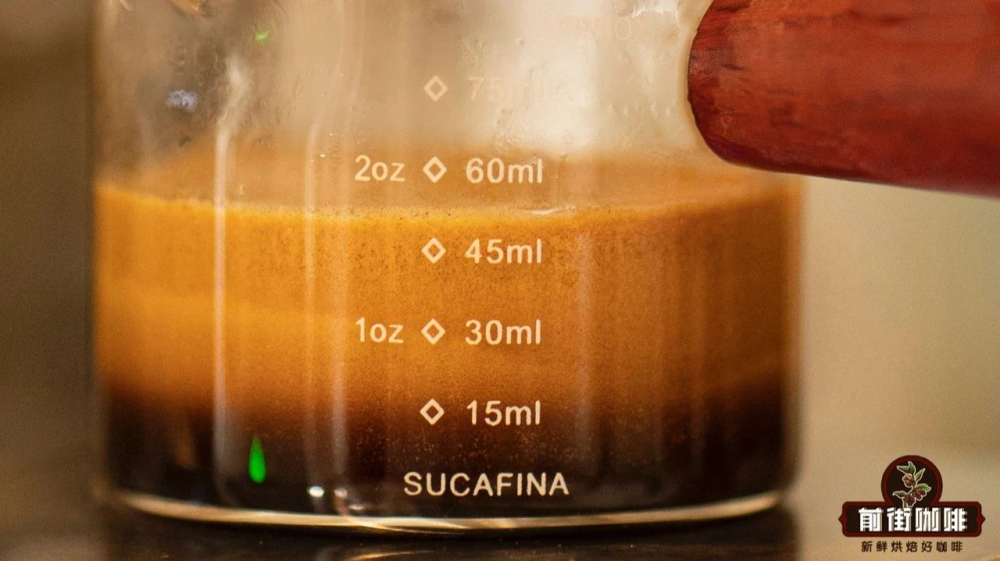
Take, for example, the “Strawberry Sugar Geisha Blend” from Finca Mirasol in Costa Rica. This bean is processed using the raisin honey method, delivering pronounced rose floral notes, berry sweetness, and a sugary fruit finish—making it highly suitable for SOE lattes. For extraction, it’s recommended to use a double-shot basket, dosing20 grams of coffee, aiming to extract40 grams of espresso, with a brew ratio of1:2, and extraction time controlled between26–32 seconds. The grind size can be referenced at2.0 on the Galileo Q18 grinder.
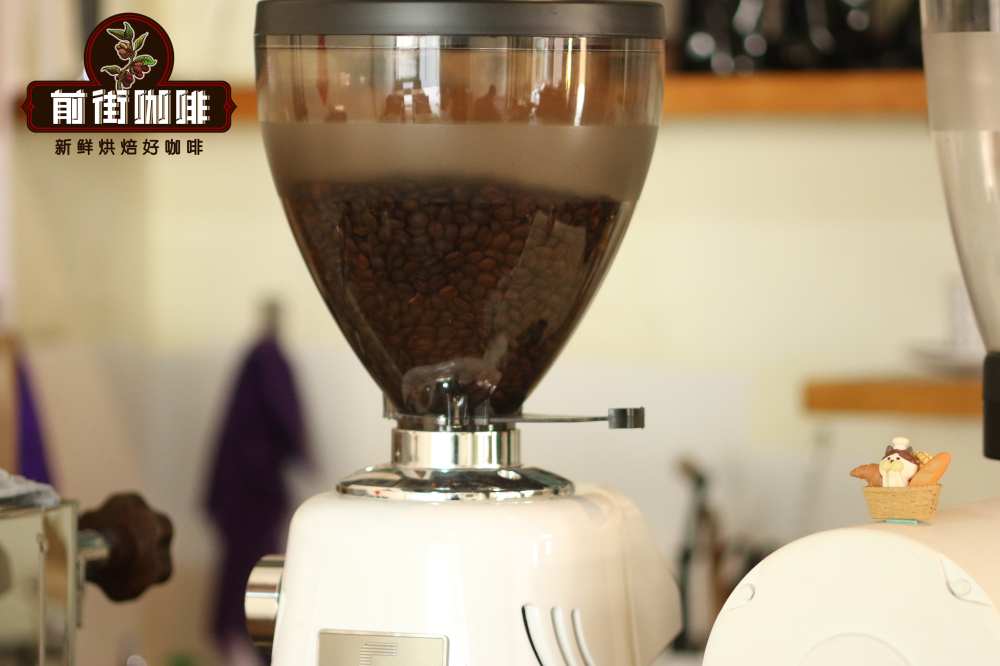
In practice, first ensure the portafilter basket is clean. Distribute the ground coffee evenly, then tamp vertically with a tamper to ensure a compact and level puck. Before starting extraction, run water for 1–2 seconds to pre-wet the group head, then lock the portafilter in place and begin extraction. Observe the process: when the espresso reaches 40 grams and the time is around 30 seconds, stop to achieve optimal flavor.
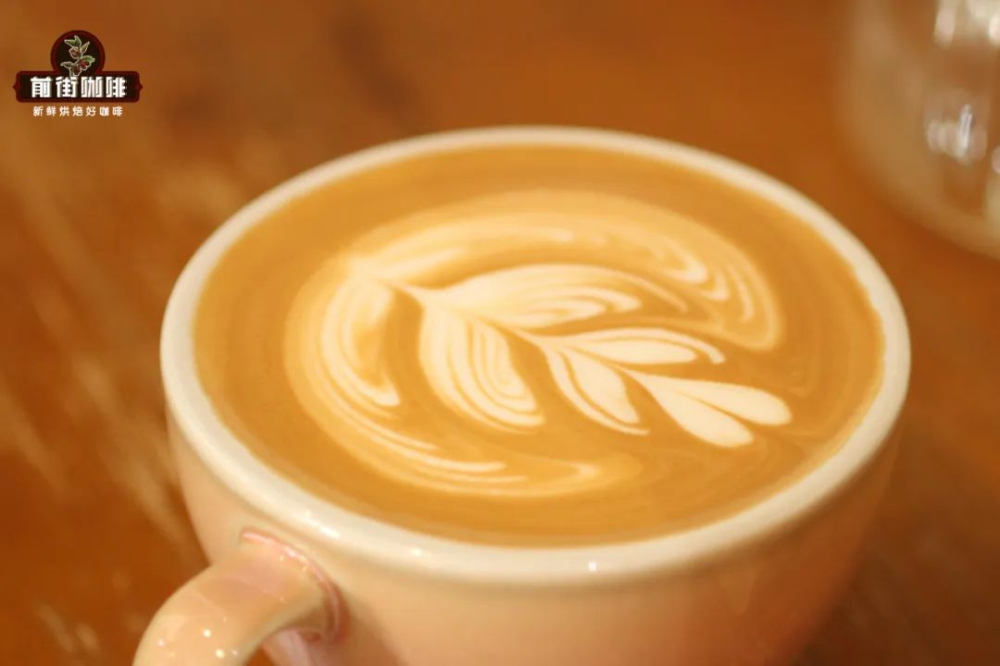
Next comes the milk. It’s recommended to use fresh, cold whole milk (around 4°C), about200 grams. When steaming the milk, insert the steam wand at an appropriate angle into the pitcher, controlling foam thickness to0.3–0.5 cm, and maintaining temperature between55–60°Cuntil the milk is smooth and velvety. Finally, slowly pour the steamed milk into the extracted SOE espresso, gently integrating the two, and feel free to add latte art according to preference.
The finished SOE latte not only boasts rich creaminess but also highlights the bean’s inherent fruity, floral, and sweet notes. Take the Strawberry Sugar Geisha, for instance—upon tasting, you’ll notice distinct berry, cherry blossom, honey, and subtle almond aromas. Paired with a silky microfoam, the finish reveals a rounded layer of chocolate and hazelnut, delivering a nuanced and layered experience that’s a must-try for milk coffee lovers.
In summary, crafting an outstanding SOE latte requires mastering not just the golden coffee-to-milk ratio, but also refining every step—from bean selection and roasting to grinding and extraction. Especially with light-roast SOE beans, whose flavors are vivid yet delicate, more precise extraction conditions and steady technique are essential to unlock their full potential, ensuring every sip is a delightful surprise.
The above content is compiled by CoffeeHunters, a coffee news website.


