







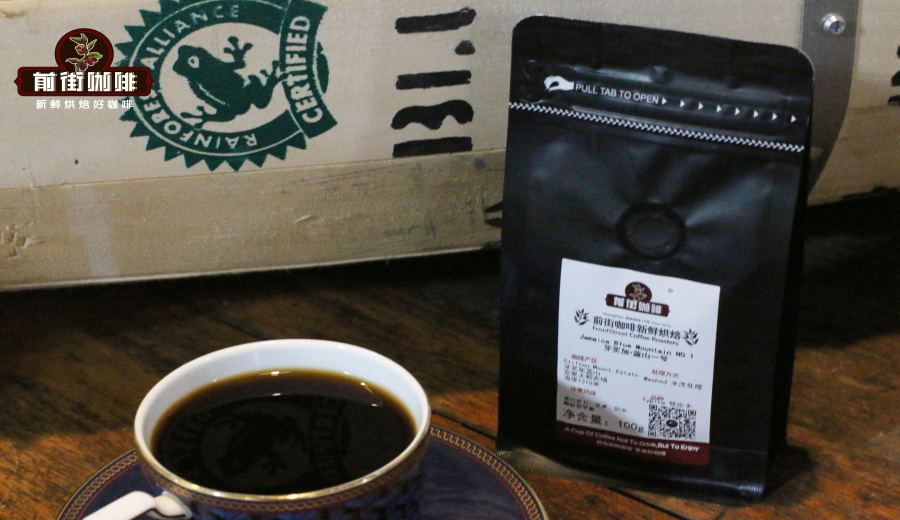
Introduction:Jamaican Blue Mountain coffee is renowned worldwide for its rarity and refinement, yet its popularity has also led to an abundance of counterfeits. This article delves into the legal production regions, altitude standards, and variety regulations of authentic Blue Mountain coffee, reveals the historical reasons behind Japan’s dominant market share, and provides expert-level flavor identification tips and home brewing advice to help readers discern truly premium Blue Mountain beans from the confusion of misleading labels.
Blue Mountain coffee is hailed as the pinnacle of coffee, and its prestige comes not only from its limited production but also from its rigorous quality control system and uniquely favorable growing environment. Genuine Jamaican Blue Mountain coffee is grown exclusively within specific areas of the Blue Mountains as designated by the country’s Coffee Industry Board (CIB), at elevations ranging approximately from 910 to 1700 meters, and must be of the Typica variety. This region is small in size, with extremely limited annual output—less than 15% of Jamaica’s total coffee production, or roughly 900 metric tons—making it exceptionally precious.
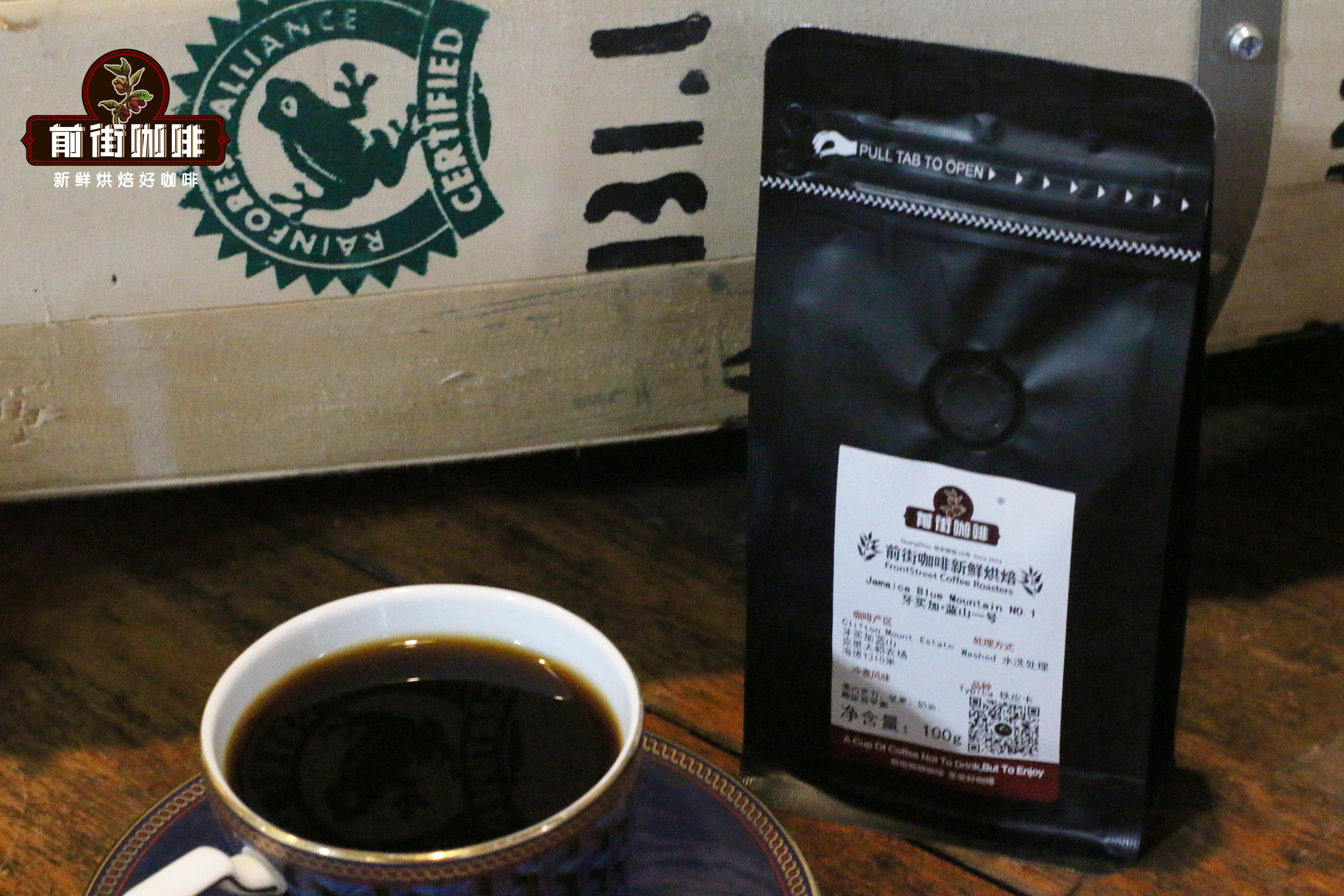
These coffee trees grow on steep slopes with cool climates and moderate humidity, and each bean requires considerable manual care. Although the Typica variety has outstanding flavor potential, it is vulnerable to disease, yields low output, and is difficult to harvest—all of which make beans that meet the “Blue Mountain” certification standards even rarer. Many products on the market that claim “Blue Mountain flavor,” “Blue Mountain blend,” or even “instant Blue Mountain” are often just marketing tactics for commercial beans, bearing no relation to genuine Blue Mountain coffee.
One common misconception is to regard all coffee produced in Jamaica as Blue Mountain. In fact, only Typica coffee grown within the approximately 6,000 hectares strictly designated by the CIB can be rightfully called “Jamaican Blue Mountain coffee.” The growing areas are mainly distributed across Saint Thomas, Saint Mary, Saint Andrew, and Portland, which together account for only one-third of the total Blue Mountain planting area. Coffee produced in other regions is classified as “High Mountain Coffee” or “Jamaica Prime Coffee.” While these also boast good quality, they do not meet the legal standards for Blue Mountain.
The Jamaican Coffee Industry Board (CIB) enforces extremely strict quality control over Blue Mountain coffee, with clear regulations governing every stage from planting, harvesting, processing, to grading, ensuring that the final coffee beans maintain consistently high quality. The CIB is not only responsible for setting grade standards but also conducts cupping tests. Only those that pass multiple rigorous evaluations—including green bean size, defect rate, color uniformity, and post-roast aroma, acidity-sweetness balance, and body—can be certified as Blue Mountain. Each batch of Blue Mountain coffee comes with an official certification label, which is the key identifier of authenticity in the global market.
According to the CIB’s grading system, Blue Mountain coffee is divided into four grades: Blue Mountain No. 1, Blue Mountain No. 2, Blue Mountain No. 3, and Blue Mountain Peaberry. Among them, Blue Mountain No. 1 is the top grade, with green bean specifications requiring a size of 17 mesh or larger, a defect rate below 3%, and a moisture content of about 13%. It must also demonstrate delicate aroma, balanced acidity and sweetness, and a smooth mouthfeel in cupping. These beans receive special treatment upon export—the No. 1 to No. 3 grades are the only coffees in the world packaged in wooden barrels (with capacities of 70 kg, 30 kg, and 15 kg respectively), highlighting their prestigious status. Other grades are shipped in standard 60 kg jute sacks.
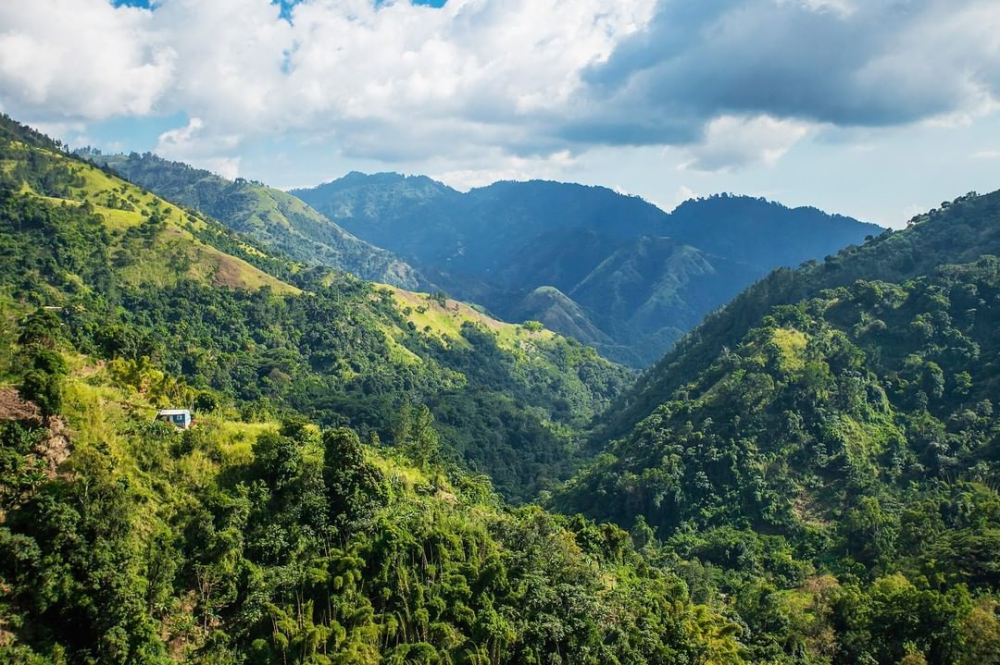
The notion that “Blue Mountain is monopolized by Japan” actually stems from 1981, when a Japanese company (formerly Ueshima Coffee) invested in establishing a plantation in Jamaica. At that time, the Jamaican government reached an agreement with the company to sell 90% of the Blue Mountain coffee quota to the Japanese market. This partnership, along with Japan’s long-term promotion of Blue Mountain culture, has resulted in relatively stable supply and higher recognition of Blue Mountain in Japan. However, with the rise of the global specialty coffee trend, consumers can now enjoy authentic Blue Mountain flavors through legitimate channels. For instance, commercially available Jamaican Blue Mountain No. 1 is a high-value choice.
To brew Blue Mountain coffee at home and bring out its signature rich roundness and delicate aroma, it is recommended to use Blue Mountain No. 1 beans roasted to a medium-light to medium level, paired with appropriate brewing equipment and parameters. For example, using a KONO filter, whose ribs extend only halfway up, can effectively reduce airflow between the filter paper and the filter, extending the blooming and extraction time of the coffee grounds, resulting in a more concentrated and balanced overall flavor. This filter is also suitable for other medium to dark roast beans, making it highly versatile.
Practical brewing parameters are as follows: use 15 grams of coffee grounds, with a recommended powder-to-water ratio of 1:15, and a grind size of about 10.5 on the EK43s (equivalent to 75% passing rate on a Chinese Standard No. 20 sieve), with water temperature controlled between 87–88°C. The specific steps are: first wet the filter paper and attach it tightly to the filter, then pour in the coffee grounds and gently tap to level. The first stage involves pouring 30 grams of water for a 30-second bloom; the second stage slowly pours water up to 125 grams with a steady circular motion; when the water level drops halfway, the final stage pours water up to 225 grams, with a total extraction time of about 2 minutes. This method fully highlights the distinctive chocolate, nutty, and subtle almond aromas of Blue Mountain coffee, and as the temperature slightly cools, you can also enjoy a creamy sweetness and soft acidic aftertaste.
The above content is compiled by CoffeeHunters, a coffee news website.


