







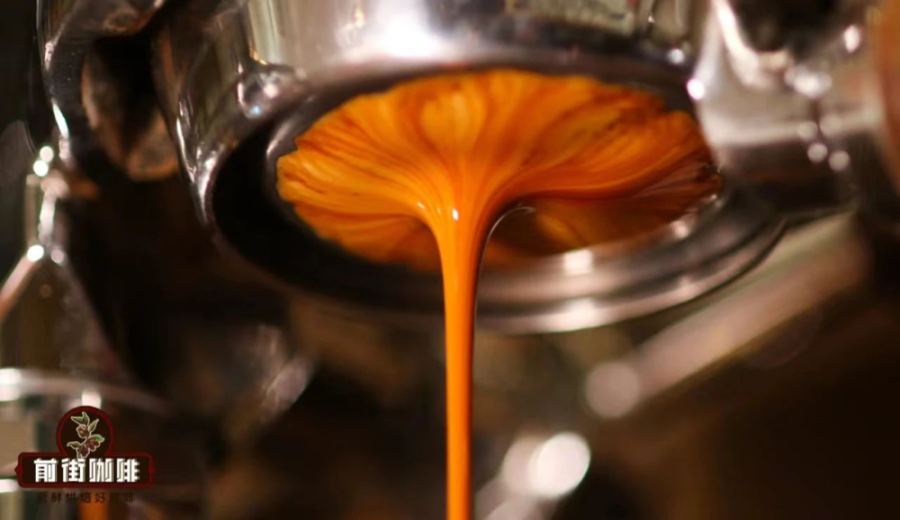
Introduction:Want to try making espresso with a single-origin Yirgacheffe coffee bean (SOE)? This article delves into its extraction performance and flavor characteristics, compares it with the differences in pour-over brewing, and helps you understand the suitable scenarios for this highly distinctive coffee bean. It also provides practical extraction parameters, steps for making both hot and iced drinks, as well as a comprehensive guide covering everything from roast level to bean selection—helping you get started with the world of SOE coffee effortlessly.
SOE, or Single Origin Espresso, refers to espresso coffee beans sourced from a single origin or region. Unlike traditional blends that emphasize balanced flavor profiles, SOEs focus more on highlighting the unique flavor characteristics of their origin—such as bright acidity, rich floral notes, or special sweetness. This article takes the renowned Yirgacheffe region as an example, exploring its actual performance when used as an SOE in espresso extraction, and comparing the flavor differences when brewed via pour over, giving you a better understanding of the potential and limitations of this type of coffee.
Since SOEs are often used to make Americanos or turned into lattes by adding milk, their espresso base shouldn’t be too thin. This means the roast level needs special attention—overly light roasts may result in insufficient aroma, unable to support the diffusion from subsequent water addition or the integration with milk. A moderate medium-dark or medium roast helps maintain the regional characteristics while also providing enough body and complexity.
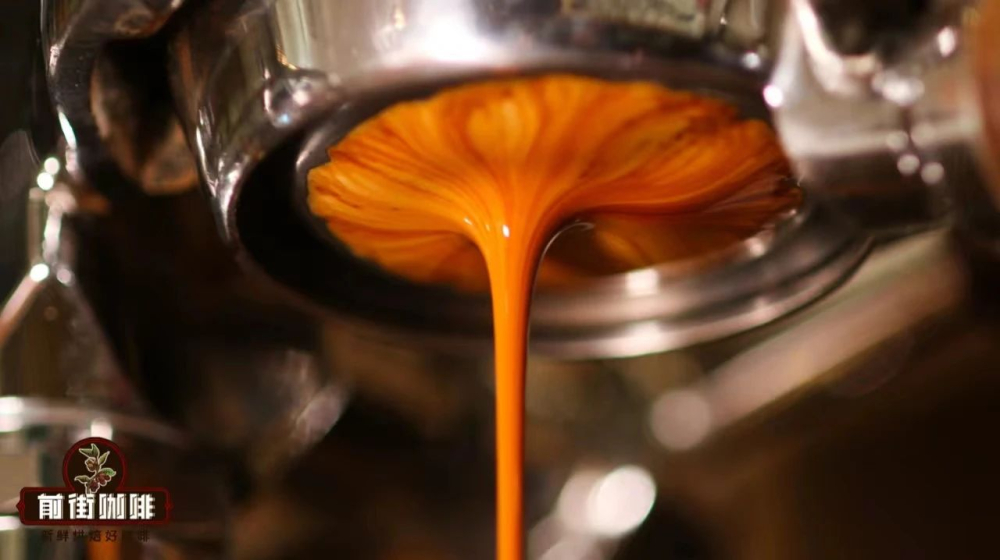
Among the many Yirgacheffe SOEs, choosing a medium-roast bean from a high-altitude region and processed via the natural (sun-dried) method often provides a great starting experience. Through the natural processing method, these beans retain more floral and fruity aromatic compounds while developing a moderate caramel and sweetness foundation, making them very suitable for espresso machines or moka pot brewing. As for extraction parameters, the recommended range is 20 grams of coffee grounds yielding 40 grams of coffee liquid, with an extraction time controlled between 25 to 30 seconds; another common setting is 18 grams of grounds yielding 36 grams of liquid, also maintaining an extraction time of 25 to 30 seconds, yielding a rich and balanced espresso base.
When this SOE espresso is used to make an iced Americano, it’s recommended to combine 120 grams of ice cubes with 120 milliliters of room-temperature water, then pour in 40 grams of the extracted espresso. For a hot drink, simply replace the water with 180 grams of hot water. This combination not only lacks the heavy bitterness commonly found in traditional Americanos but instead showcases distinct citrus, jasmine, black tea, and even pomegranate-like layered fruit aromas—truly impressive.
As for latte preparation, the iced latte version can start with 100 grams of ice cubes and 150 grams of fresh milk, followed by pouring in 40 grams of espresso; for a hot latte, it’s recommended to use 40 grams of espresso as the base, whip 200 milliliters of fresh milk into fine microfoam, then combine and finish with latte art. The resulting coffee often features prominent sweetness, with flavors resembling fruit milk yet distinctly highlighted by citrus and rose floral notes, along with rich layers of honey and cane sugar sweetness. You might even detect slight berry acidity and a raisin-like finish—completely redefining your impression of a latte.
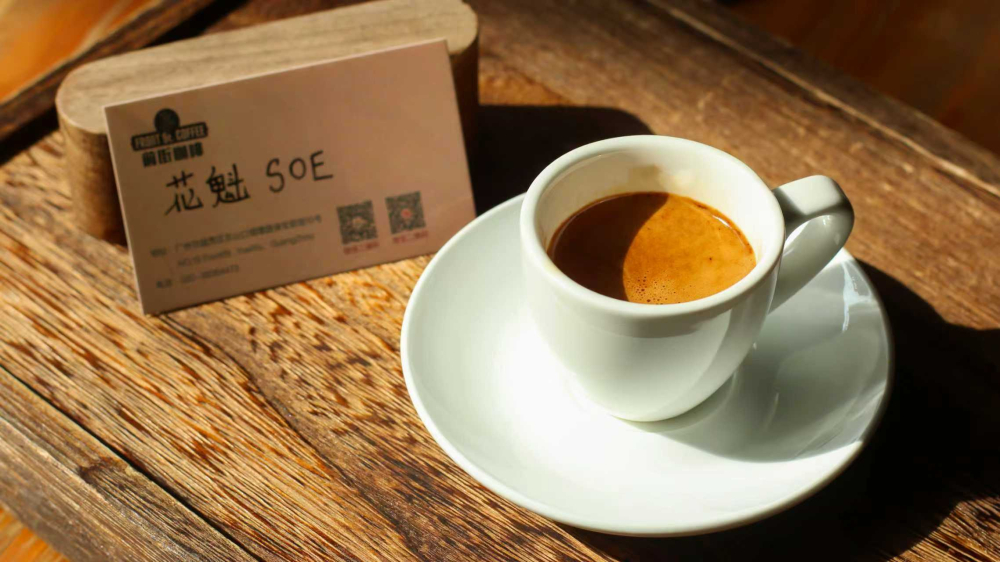
When selecting an SOE, it’s recommended to prioritize suppliers with a good reputation and stable roasting techniques to ensure bean freshness and consistent quality. Additionally, since SOEs emphasize flavor identifiability, mastering the roast level becomes even more critical—too light may lack aroma, too dark may easily mask regional characteristics. Therefore, beginners are advised to start with clearly labeled beans optimized for espresso equipment, such as medium-roast, sun-dried Yirgacheffe beans designed specifically for espresso and moka pot use, which usually deliver friendly and expressive flavor results.
In summary, using Yirgacheffe SOE for espresso is not only feasible but also offers a flavor journey completely different from traditional blends. Whether you’re pursuing the refreshing floral and fruity profile of an iced Americano or the sweet, fruit-milk-like experience of a latte with distinct citrus and rose notes, as long as you master the right extraction and blending parameters, you can easily showcase the unique charm of these single-origin beans. For coffee enthusiasts looking to explore more flavor possibilities, SOE is definitely worth a try.
The above content is compiled by CoffeeHunters, a coffee news website.


