







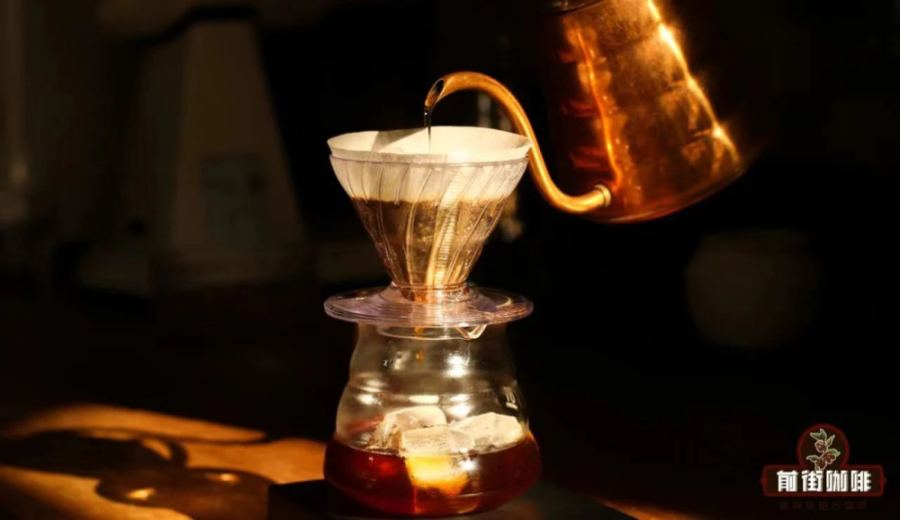
Introduction:In the world of iced coffee, cold brew and cold drip are often confused, but they are actually quite different in terms of brewing methods, time required, and flavor profiles. This article delves into their core differences, including extraction principles, equipment design, coffee-to-water ratios, and time control, while also supplementing with practical brewing parameters and equipment details to help you choose the most suitable type of iced coffee based on your needs. It also clarifies their fundamental differences from regular iced Americano.
The iced coffee family is diverse, and among its members, cold brew and cold drip are especially popular due to their low-temperature slow extraction characteristics. However, many people still have only a vague understanding of the differences between these two brewing methods. This article will take a hands-on approach, comparing in detail the key differences between cold brew and cold drip in terms of extraction methods, equipment structure, coffee-to-water ratios, and time control, while also clarifying the essential differences between cold drip and common iced Americano. This will help you better understand how to select or brew the iced coffee that suits you.
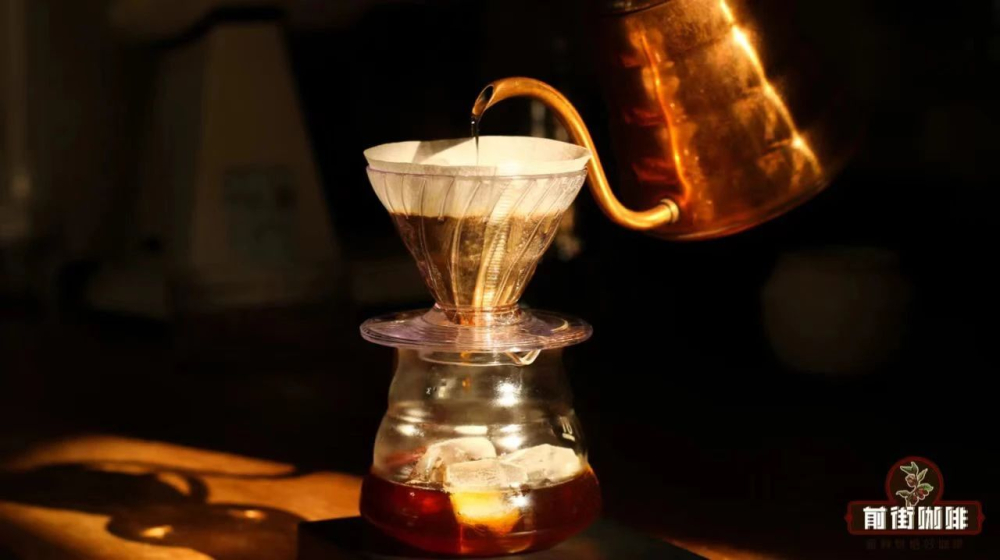
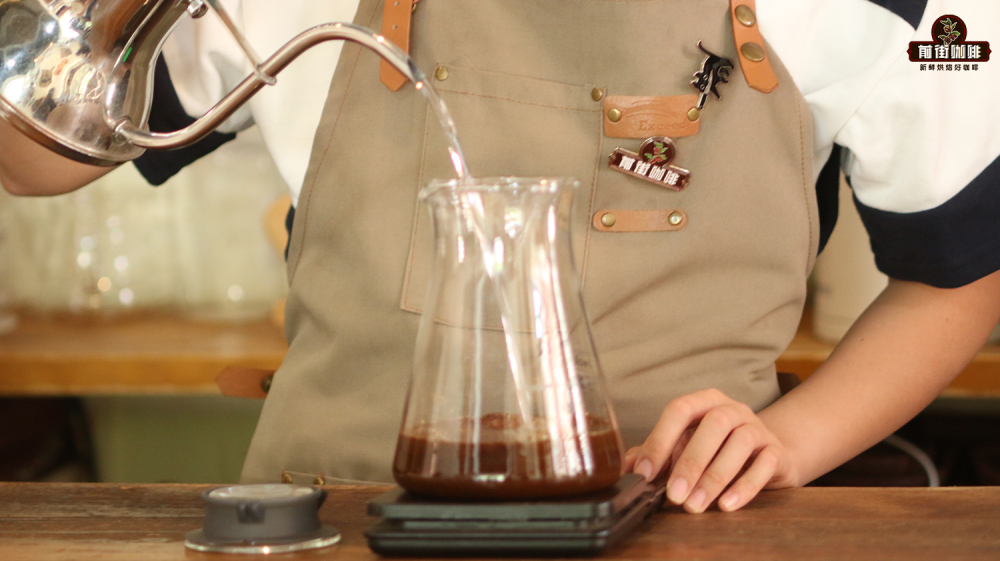
Taking common manual preparation as an example, a barista at a certain coffee shop typically uses 50 grams of coffee grounds with 500 grams of ice water when making cold brew, which means the coffee-to-water ratio is controlled at 1:10. This ratio helps balance flavor intensity and freshness. The coffee grounds are ground relatively coarse—if tested with a 0.85mm standard sieve, the passing rate is about 75%. This level of coarseness prevents over-extraction and is suitable for long steeping times.
When preparing cold brew coffee, it is recommended to prepare a container with sufficient capacity in advance. For example, if you plan to make 500 grams of cold brew coffee liquid, it is advisable to choose a bottle or jar with a capacity of more than 600 milliliters to avoid overflow or negatively affecting flavor development. Though this step may seem simple, it is a detail often overlooked by many beginners.
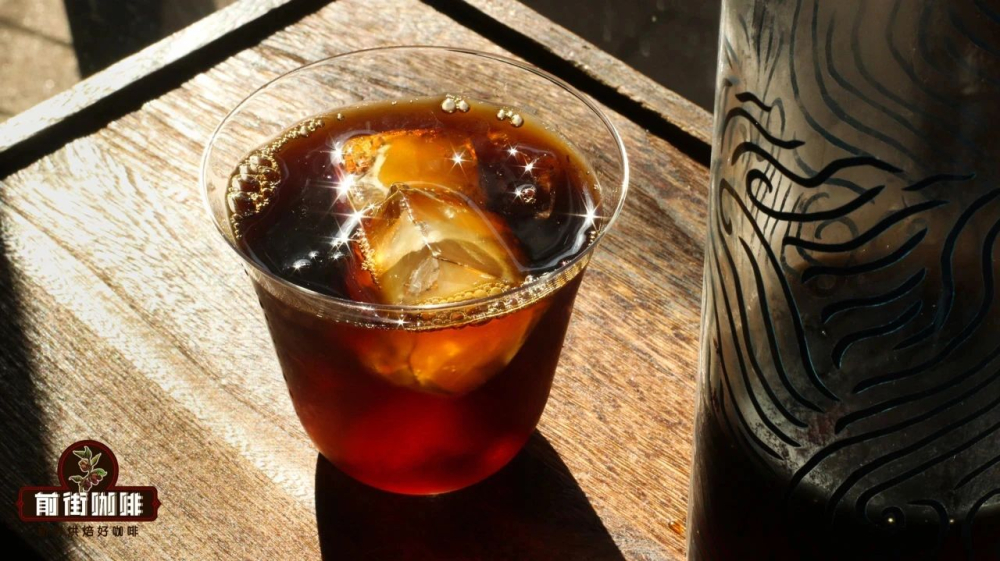
Unlike cold brew, cold drip coffee relies on a specialized cold drip apparatus, which extracts the essence of coffee drop by drop through the slow dripping of ice water. Commercially available cold drip devices usually consist of several main components: an upper chamber for holding the ice water mixture, a valve for adjusting the dripping speed, a coffee grounds chamber for placing the coffee grounds, and a lower chamber for collecting the coffee liquid. This structural design effectively controls the dripping speed, thereby influencing the final flavor.
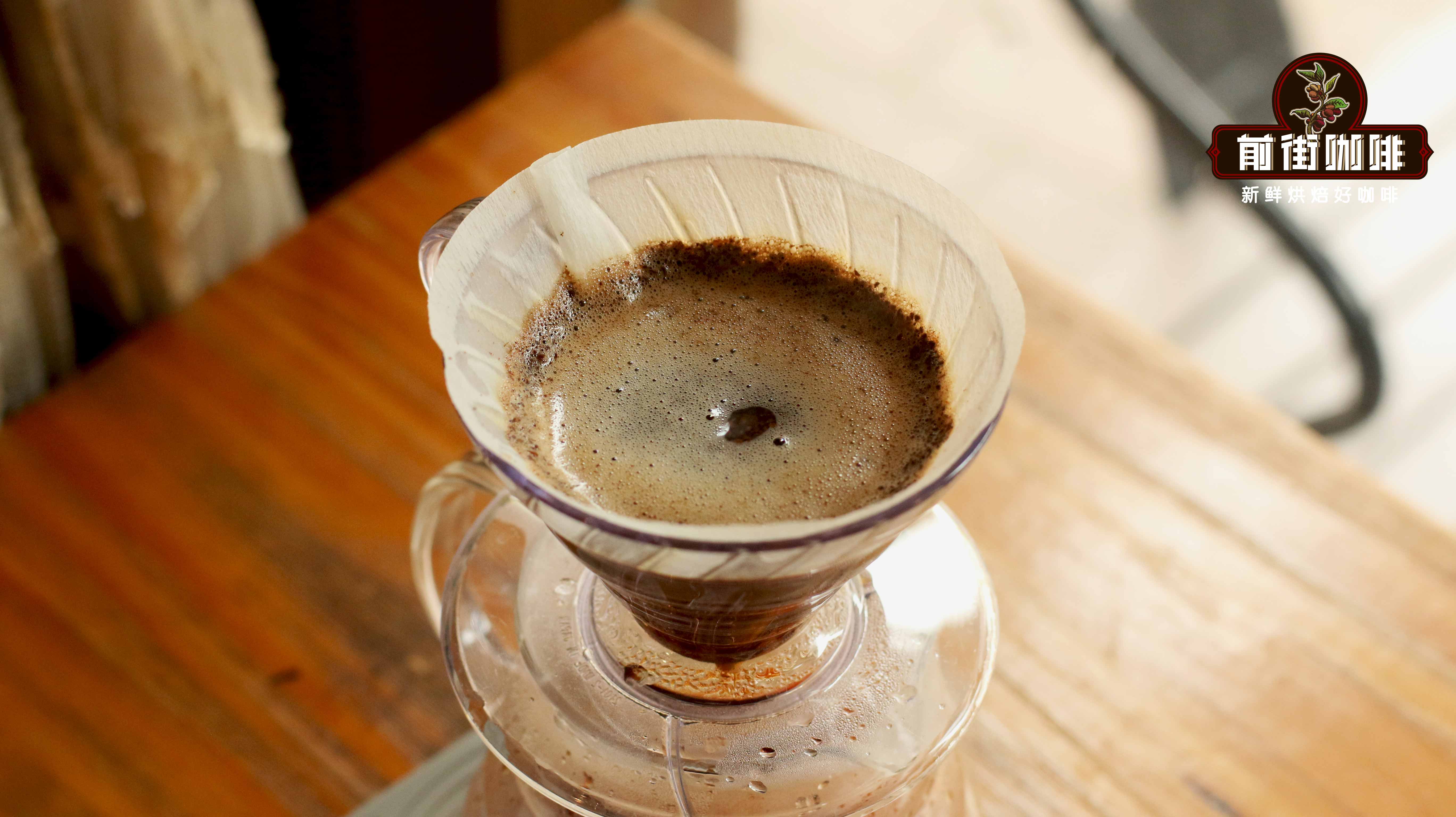
Taking a common cold drip device as an example, a certain coffee shop once used an apparatus where the upper chamber was used to mix the ice water, and the valve could be adjusted to drip 7 drops every 10 seconds. This flow rate ensures that the coffee grounds are evenly and slowly saturated. The entire extraction process usually takes 6 to 8 hours, with slight adjustments based on ambient temperature and coffee-to-water ratio. After extraction, the coffee liquid is not recommended for immediate consumption but should instead be bottled and refrigerated for about 12 hours to allow the flavors to further integrate and settle. This is also the unique aging step of cold drip coffee.

In terms of equipment requirements, cold brew and cold drip have significant differences. Cold brew only requires a sealable container, making it relatively beginner-friendly and suitable for home preparation. On the other hand, cold drip coffee requires a specialized cold drip device, with higher equipment costs and operational complexity, but it can deliver a more refined and layered flavor profile.
It is worth noting that the recommended ice water mixture ratio for cold drip coffee is generally 1:1. This ratio ensures temperature stability during the extraction process, preventing the extraction of excessive impurities or bitterness due to overly high water temperatures. Additionally, the adjustment of the valve is crucial—too fast or too slow can directly affect extraction efficiency and the final taste.
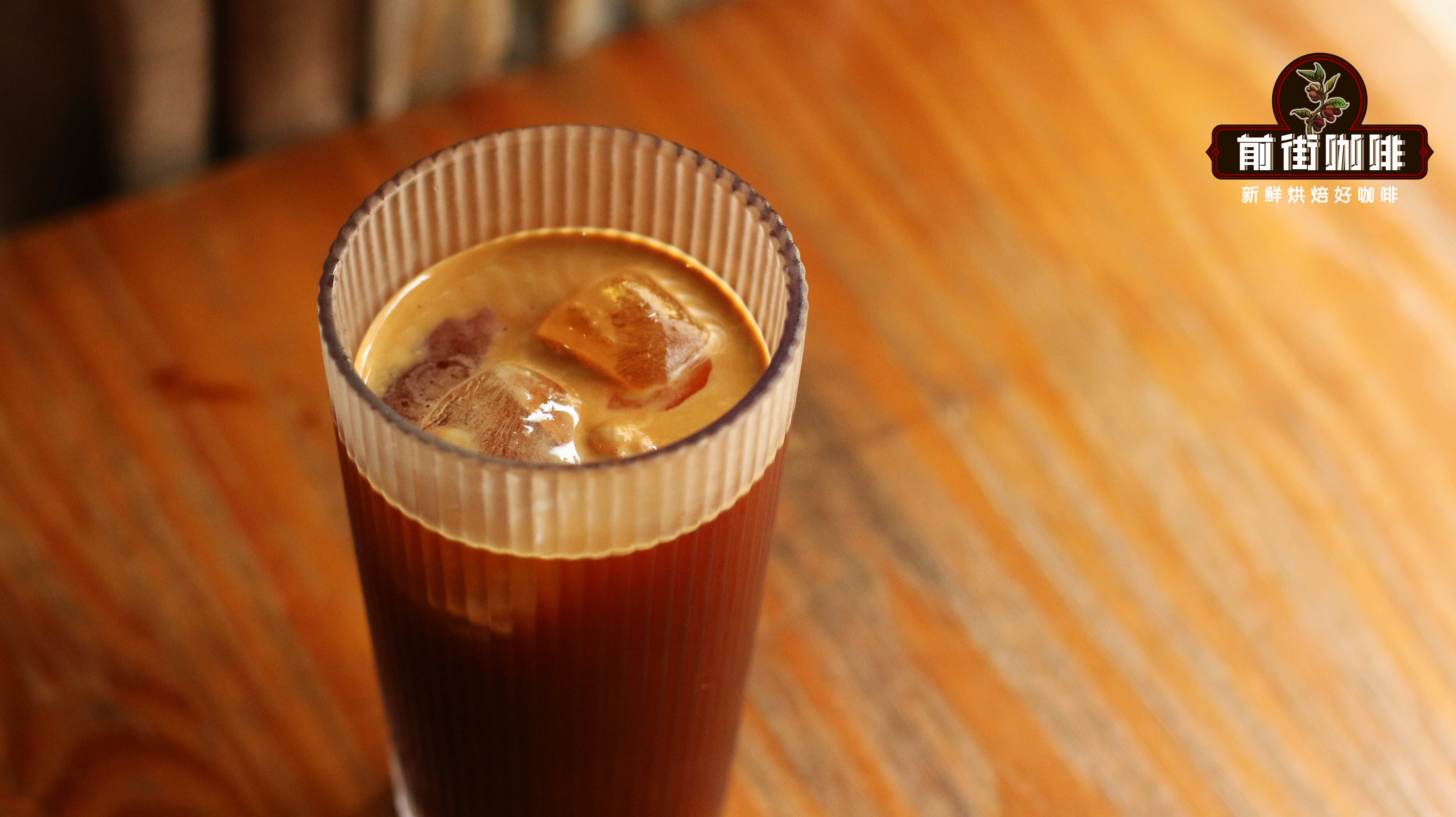
Returning to cold brew preparation, if you plan to try it at home, in addition to controlling the coffee-to-water ratio and grind size, it is also recommended to choose a container suitable for refrigeration, avoiding plastic materials that might affect the flavor. Also, before brewing, ensure all equipment is clean and free of odors, otherwise it can easily impact the purity of the coffee.
In summary, although both cold brew and cold drip belong to the category of low-temperature slow extraction iced coffees, they each have their own unique features in terms of brewing principles, time investment, equipment design, and flavor expression. Cold brew is simple to operate and low-cost, making it suitable for everyday enjoyment; cold drip requires more patience and equipment investment but can present a more delicate and complex layering. No matter which one you choose, it can bring you a unique iced coffee experience.
The above content is compiled by CoffeeHunters, a coffee news website.


