








Introduction:Cold drip coffee is extracted slowly using cold water, delivering a uniquely rich and mellow flavor that differs greatly in both technique and taste from common pour over coffee. This article provides a detailed breakdown of the cold drip brewing process—from equipment preparation to extraction parameter settings—and compares it with pour over in key aspects such as temperature, time, and flavor profile. It also offers practical water-to-coffee ratio suggestions and recommends flavor-focused coffee beans suitable for cold drip, helping coffee enthusiasts master every step from bean selection to the final cup.
Cold drip coffee is a brewing method that involves prolonged extraction through cold water infiltration. Its low-temperature, slow-steeping characteristic follows a completely different extraction logic and produces a distinct flavor profile compared to typical hot-water pour over. While pour over coffee usually employs water at 85–95°C to quickly extract the acidity and aroma from the beans, cold drip coffee relies on room-temperature or even cooler water dripping slowly through coffee grounds over several hours or more, gradually releasing the coffee’s flavors. This results in a smoother, lower-acid, and more layered mouthfeel.
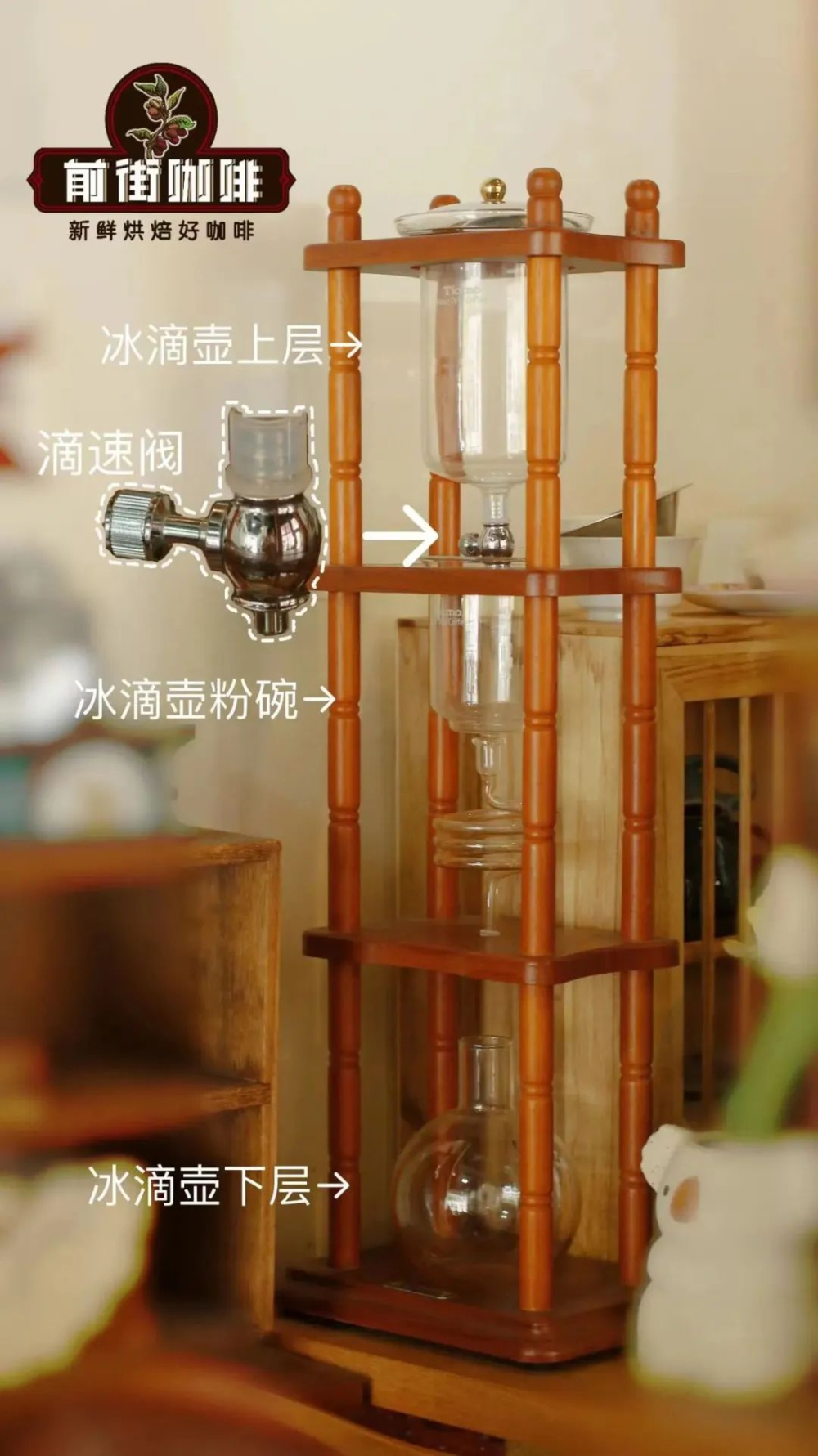
In making cold drip coffee, the entire process relies on a specialized cold drip tower, which consists of an upper chamber for water storage, a middle section with a filter basket holding the coffee grounds, and a lower chamber that collects the extracted liquid. During operation, coffee grounds ground to a coarseness similar to granulated sugar are placed in the middle filter basket and spread evenly. Then, cold water is slowly dripped onto the grounds, allowing it to pass through the coffee layer and extract the flavors. This process typically takes 4 to 12 hours, depending on the drip rate and the amount of coffee used.

There are clear differences between cold drip and pour over in terms of extraction conditions. First, regarding temperature, pour over uses hot water to rapidly activate the aromatic compounds in the coffee, whereas cold drip relies on cold water to slowly dissolve the components over time. As a result, the former yields bright and vibrant flavors, while the latter produces a richer and more mellow taste. Additionally, the total brewing time for pour over is generally only 2 to 4 minutes, while cold drip often takes several hours or more, leading to distinct differences in flavor expression, acidity-sweetness balance, and body.
For water-to-coffee ratios, cold drip coffee generally recommends a ratio of 1:8 to 1:15, meaning 1 gram of coffee grounds to 8–15 milliliters of water. This ratio can be adjusted based on personal taste: those who prefer a stronger flavor may opt for a lower ratio, such as 1:8 to 1:10, while those who enjoy a lighter, smoother cup may increase the water to 1:12 to 1:15. It should be noted that since the coffee grounds are soaked for a long period during cold drip, a higher ratio may lead to over-extraction, resulting in a bitter taste.
 When selecting coffee beans, varieties suitable for cold drip typically exhibit pronounced fruitiness, sweetness, and complex layers. For example, the Beethoven variety from Costa Rica often features bright citrus acidity and a wine-like aftertaste, while Panama’s Finca Jade’s washed Geisha is widely praised for its delicate floral notes, citrus character, and tea-like finish. These flavor-oriented coffee beans can fully showcase their characteristics during the slow extraction of cold drip, while reducing the intensity of sharp acidity, delivering a smoother and more varied taste experience.
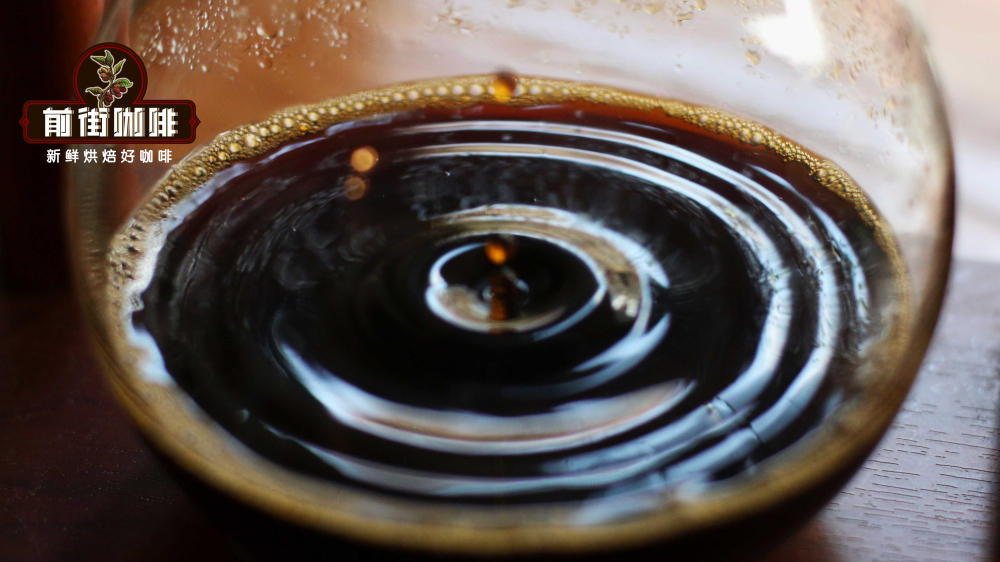
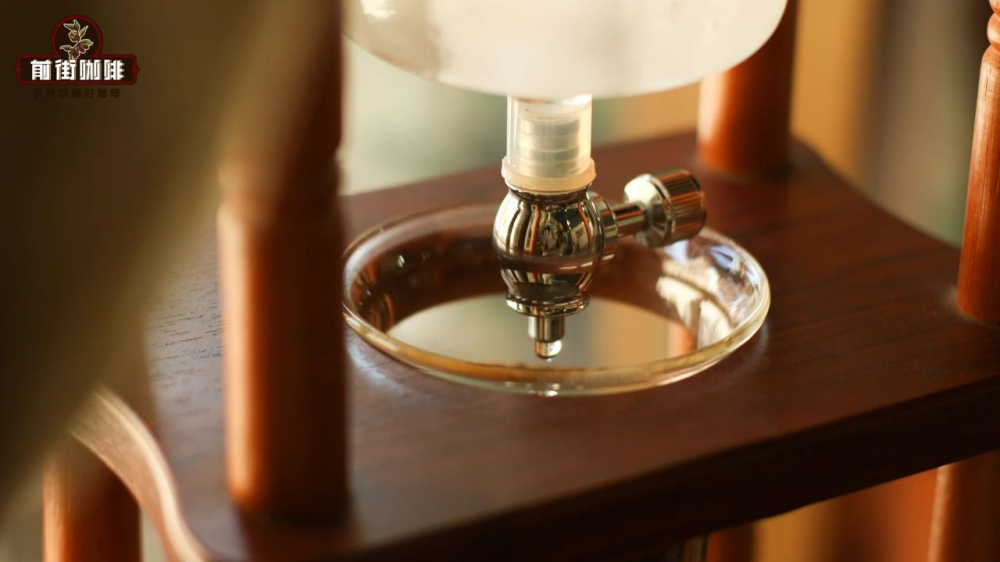
During the cold drip coffee brewing process, there are several key details worth noting. First is the grind size of the coffee grounds—it is recommended to adjust it slightly coarser than pour over, to a texture similar to sea salt or granulated sugar, to avoid over-extraction or clogging the filter layer. Second is drip rate control—generally, an ideal range is 10–20 drops per minute. Too fast may lead to under-extraction, while too slow may affect the overall flavor balance. In addition, it is recommended to let the brewed coffee liquid sit for a few hours or refrigerate it before drinking, as this helps the flavors integrate and develop further.
The flavor profile of cold drip coffee is typically characterized by low acidity, a rich body, and noticeable sweetness. Whether enjoyed neat or paired with desserts, it showcases its unique layers. Compared to pour over coffee, which emphasizes bright acidity and a clear aroma profile, cold drip is better suited for coffee lovers who enjoy savoring flavors slowly and steadily. Moreover, due to its cold extraction nature, cold drip coffee is also commonly used to make iced coffee or craft coffee cocktails, offering a wide range of application possibilities.
In terms of equipment preparation, besides using a dedicated cold drip tower, a simple DIY setup can also be employed—for example, using glass bottles with a drip device and filter paper—as long as the drip rate can be steadily controlled and coffee grounds can be separated, a basic cold drip extraction can still be achieved. However, professional cold drip towers are superior in structural design, ensuring even water flow and minimizing oxidation, making them the preferred choice for users seeking stable flavor and convenient operation.
In summary, cold drip coffee, through prolonged cold water extraction, presents a flavor profile distinctly different from pour over. Every step—from bean selection, grinding, water-to-coffee ratio, to drip rate control—affects the final outcome. Whether you’re looking to explore diverse coffee brewing methods or seeking a low-acid, rich-bodied beverage option, cold drip coffee is well worth a try. With the practical guidance provided in this article, readers can start with bean selection and gradually master the techniques of making cold drip coffee, enjoying the unique charm of slow-steeped coffee.
The above content is compiled by CoffeeHunters, a coffee news website.


