







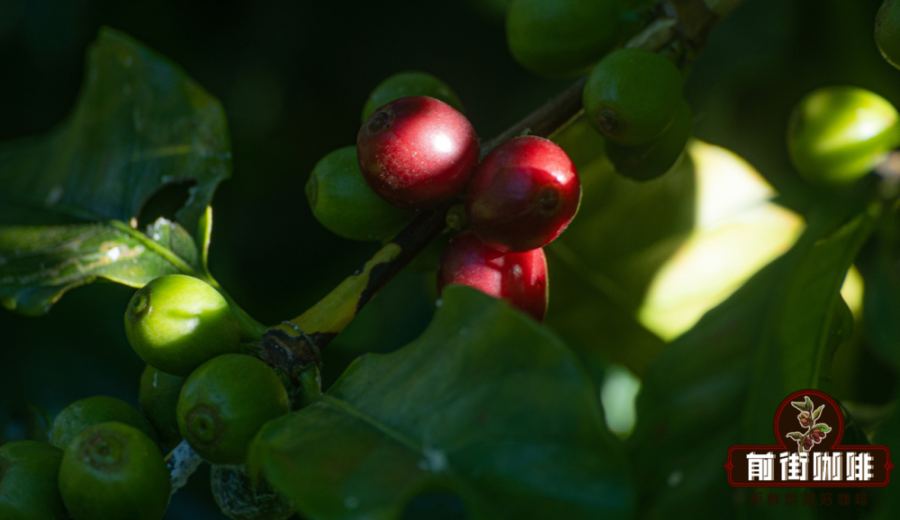
Introduction:Dive deep into Yunnan, China’s largest coffee-producing region, spanning from Lincang, Pu’er, Dehong to Baoshan. Explore how varying altitudes and climates influence coffee flavors, as well as the cultivation evolution of mainstream varieties such as Typica and Catimor. This article introduces you to the processing methods and tasting characteristics of Yunnan’s small-grain coffee, along with practical pour over parameters for washed beans—suitable for both beginners and seasoned enthusiasts looking to refine their appreciation.
As China’s principal coffee-growing area, Yunnan’s coffee cultivation history began in 1904 when French missionary Téodore Monbeig introduced the first coffee seedlings from Vietnam to Zhukula Village in Dali, marking the start of coffee in this southwestern mountainous region. Over time, especially after the reform and opening-up period, coffee cultivation expanded gradually, attracting international brands such as Nestlé, Starbucks, and COSTA, which in turn drew attention from the specialty coffee community to this unique origin.
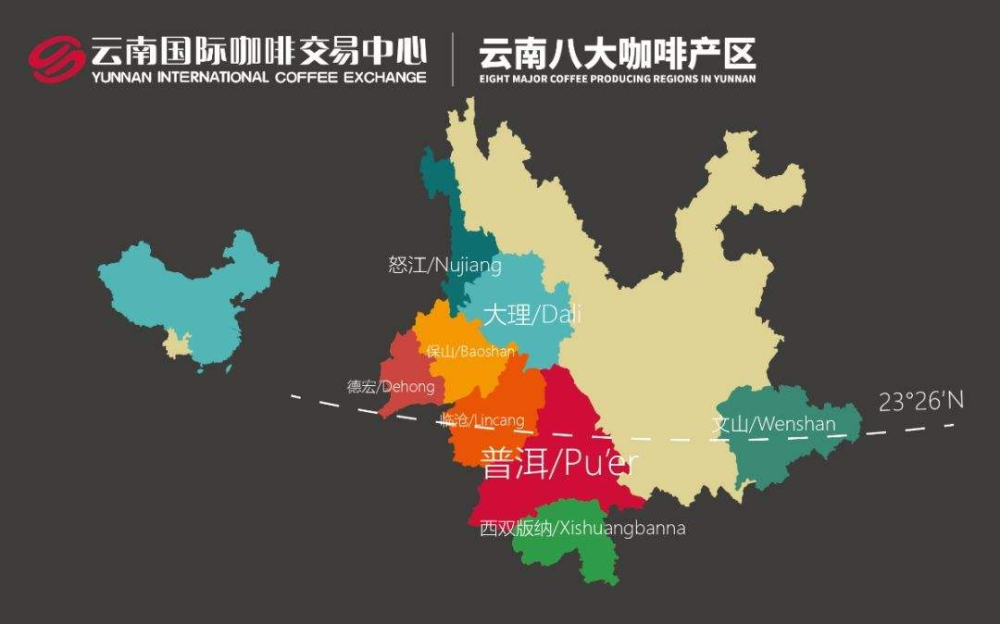
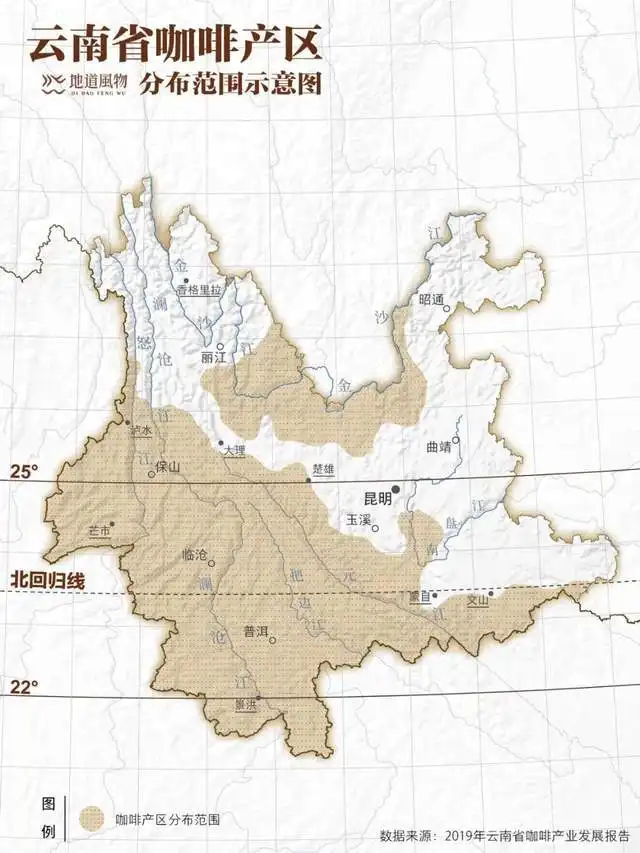
Yunnan’s main coffee-growing regions are concentrated in the southwestern part of the province, situated within the “coffee golden belt” between the Tropic of Cancer and the Tropic of Capricorn. The overall altitude ranges between 1,000 to 2,000 meters, featuring mostly steep, mountainous terrain. With abundant sunlight, plentiful rainfall, and significant day-night temperature variations, the area provides an ideal environment for coffee trees. Key producing areas include Lincang, Pu’er, Dehong, and Baoshan, each with distinct microclimates and soil conditions that give rise to uniquely flavored coffee beans.
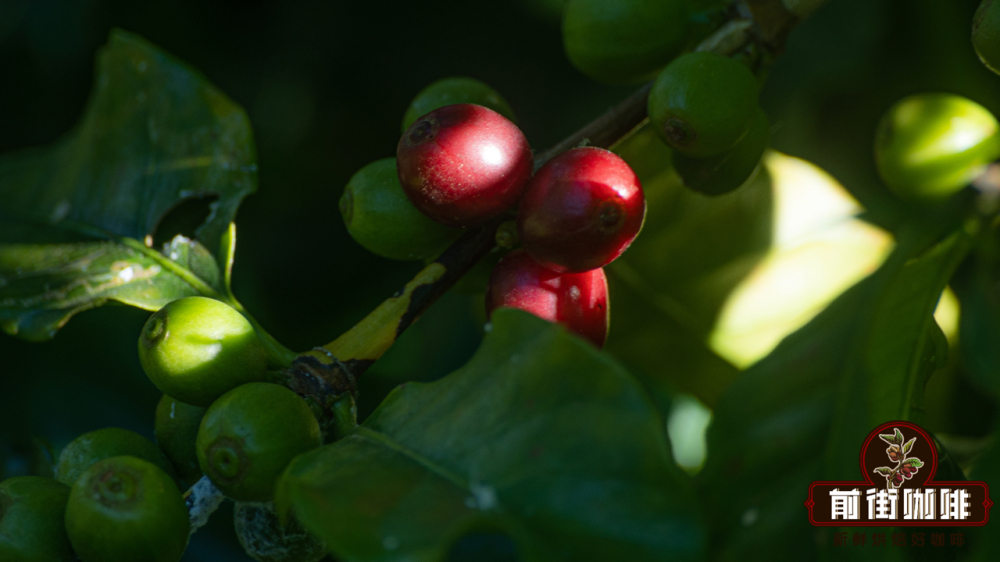
Located in southwestern Yunnan and adjacent to the Lancang River, Lincang borders Myanmar to the west. The region features diverse terrain, with elevations generally exceeding 1,000 meters. Its climate is characterized by a distinct dry and rainy season pattern, without clear four seasons. The rainy season begins around June and lasts for about three to four months. The large diurnal temperature variation, along with ample sunshine and rainfall, allows coffee cherries to accumulate rich nutrients, resulting in bold and layered flavor profiles. Notably, some producers have established plantations here, beginning cultivation of the delicate-flavored Typica variety in 2013. Seven years later, they harvested their first coffee cherries, known as the “2013 vintage coffee.” These beans were processed using the natural (sun-dried) method at an altitude of approximately 1,300 meters, showcasing the region’s distinctive full-bodied character.
Baoshan is one of the earliest regions to introduce coffee. As early as the mid-1950s, patriotic overseas Chinese Mr. Liang Jinshan brought the first coffee seedlings from Southeast Asia. The small-grain coffee produced in Baoshan’s Ludian Dam is renowned for its rich yet non-bitter taste, mellow aroma, and gentle acidity. As early as 2010, it was awarded China National Geographical Indication product certification. The area maintains an average annual temperature of about 21.3°C, peaking at 40.4°C, and experiences almost no frost, making it an ideal planting ground for small-grain coffee. Locally produced coffee beans, when processed via the washed method, can more clearly express nutty notes and gentle acidity, making them suitable as everyday beans for beginners to enjoy typical regional flavors at reasonable prices.
Although often associated with Pu’er tea, Pu’er City is actually Yunnan’s largest coffee-growing base. In the 1990s, Nestlé launched an agricultural technology assistance project here, establishing demonstration farms and a coffee agronomy service department. These efforts focused on cultivating coffee varieties suited to the local climate and soil, while also providing technical guidance to improve yield and quality. Today, high-quality coffee beans produced in Pu’er are also exported to markets in Europe and America, demonstrating their international competitiveness.
Dehong Prefecture boasts the reputation of being the “Hometown of Chinese Coffee,” having begun large-scale coffee cultivation in 1951 by introducing coffee seeds from the China-Myanmar border. The region is home to the country’s largest coffee seed gene bank—the Ruili Coffee Germplasm Resource Nursery under the Ministry of Agriculture. It is among the first nine tropical crop germplasm resource nurseries approved by the ministry, playing a significant role in variety preservation and research.
When discussing Yunnan coffee, the commonly referred “small-grain coffee” mostly belongs to the Arabica species. Initially dominated by Typica—an ancient and pure-flavored variety—it gradually gave way to newer varieties due to its weak disease resistance, susceptibility to leaf rust, and relatively low yield per plant. Currently, the primary variety cultivated in Yunnan is Catimor, which incorporates disease-resistant genes from Robusta. It exhibits strong resistance to leaf rust and berry diseases, and can grow healthily with minimal shade. Catimor not only matures quickly but also offers high yields, making it highly favored by local farmers.
Due to Yunnan’s long rainy season, high air humidity, and unstable sunlight, most coffee farms opt for the washed processing method. This approach involves first removing the coffee fruit’s skin and pulp, then soaking the mucilage-covered beans in water tanks to ferment. Acids break down the pectin layer during fermentation, after which the beans are thoroughly washed and sun-dried. Washed processing effectively reduces impurities and off-flavors from improper fermentation, resulting in cleaner and clearer coffee flavors—especially effective in highlighting bright acidity and delicate sweetness.
For washed Yunnan small-grain coffee, it is recommended to use a V60 dripper with a faster flow rate for pour over. The V60’s rib design helps accelerate gas release during extraction, thereby enhancing the overall flavor complexity. A grind size of 80% passing through a standard 20-mesh sieve is suggested, paired with a 1:15 coffee-to-water ratio (e.g., 15 grams of coffee grounds to 225 milliliters of water), with water temperature controlled around 91°C. During brewing, a staged extraction method is advised: start with a 30-second bloom using 30 grams of water, then pour 95 grams, and once the flow rate slows, add another 100 grams, completing the process in about 2 minutes. This parameter set highlights sweet notes of nuts and brown sugar. As temperature drops, subtle plum acidity emerges, and the finish leaves a soft, tea-like aftertaste, delivering a balanced cup suitable for everyday enjoyment.
Whether you’re new to coffee or an experienced drinker seeking flavors from new origins, gaining a deeper understanding of Yunnan’s various growing regions, varietal evolution, and processing methods will allow you to discover richer layers and stories in every cup of Yunnan small-grain coffee.
The above content is compiled by CoffeeHunters, a coffee news website.


