







Introduction:Cold brew coffee has become the go-to choice for many coffee enthusiasts to make iced coffee at home due to its simple preparation method and high tolerance for brewing errors. However, the combination of coffee-to-water ratio, grind size, and steeping time will directly impact the final flavor profile. This article provides a detailed breakdown of the ideal extraction parameters for cold brew coffee, from recommended coffee-to-water ratios of 1:12 to 1:13, to the selection of a pour over-grade coarse grind (70–85% extraction through a #20 mesh sieve), and analyzes flavor differences across various steeping durations (8 to 24 hours), offering practical pairing suggestions and step-by-step guidance.
Cold brew coffee is a popular choice for many homemade iced coffee recipes, not only because it has a low barrier to entry, but also because it demonstrates high fault tolerance during the extraction process. Even without professional coffee equipment, as long as you get the coffee-to-water ratio, grind size, and steeping time right, you can still brew cold brew coffee with rich layers and balanced flavors. This article will delve into the best brewing solutions for cold brew coffee, helping you adjust your grind and time according to personal taste preferences to achieve your ideal flavor.
First, let’s start with the basic coffee-to-water ratio. It is generally recommended that the coffee-to-water ratio for cold brew falls within1:12 to 1:13, which means 1 gram of coffee grounds to 12 to 13 milliliters of water. If the ratio is too high, such as exceeding 1:13, it may lead to under-extraction, resulting in a thin and lackluster flavor; whereas if the ratio is too low, such as below 1:12, it can easily lead to over-extraction, making the coffee taste overly strong and unpleasantly thick on the palate. Staying within this range allows for a balance between flavor expression and overall mouthfeel.
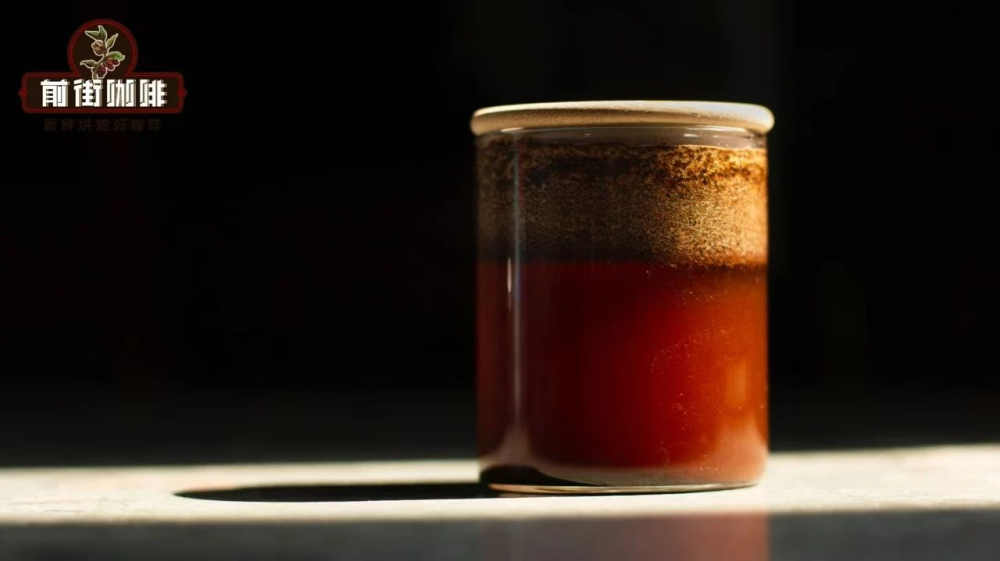
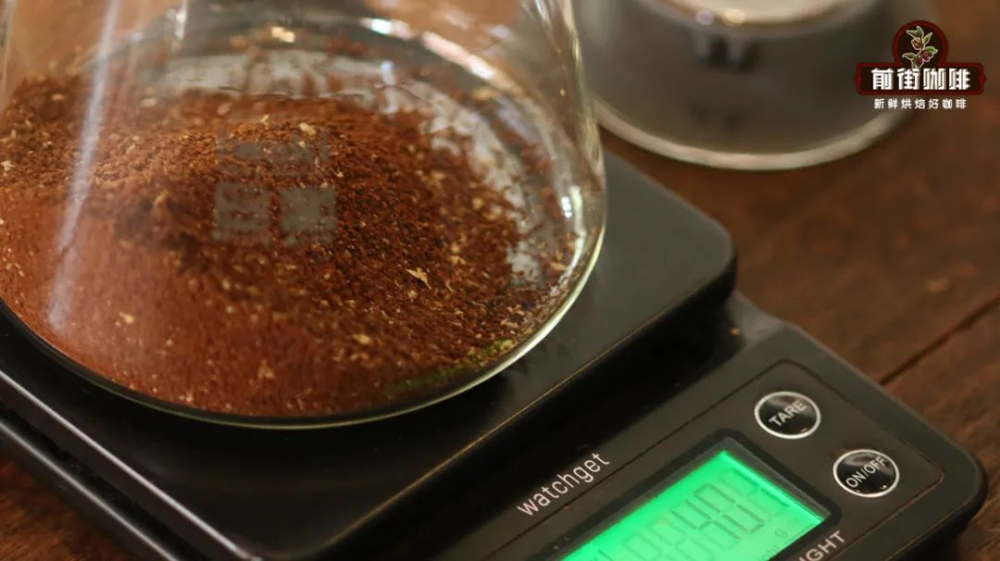
As for grind size, it is also one of the key factors affecting the flavor of cold brew coffee. Cold brew is a low-temperature immersion extraction method, with the brewing temperature typically maintained between4 to 10°C, meaning the extraction efficiency is relatively low. Therefore, choosing the right grind size is crucial. A grind that is too fine can cause the coffee grounds to clump together, leading to uneven extraction and difficulty in filtering; a grind that is too coarse may result in under-extraction and a weak flavor. Multiple experiments have shown that using a grind size similar to that forpour over coffee(approximately 70% to 85% extraction through a#20 mesh sieve) is the optimal choice. This grind range ensures a stable release of coffee compounds without being so fine as to produce sediment or hinder filtration.
Next is the setting of steeping time. The recommended steeping duration for cold brew coffee generally ranges between8 to 24 hours, which can be adjusted according to personal preference. If steeped for just 8 hours, the coffee flavor tends to be more refreshing, with bright acidity—suitable for those who prefer a lighter-bodied taste; when steeped for 16 hours, the flavor gradually becomes rounder and fuller, with better balance between acidity and sweetness; extending to 24 hours can extract deeper flavor notes, resulting in a richer and more intense mouthfeel—ideal for those who enjoy a bolder style. It is worth noting that steeping beyond 24 hours may introduce woody or bitter off-notes, negatively impacting the overall drinking experience.
By combining grind size and steeping time, two practical pairing solutions can be outlined: if you prefer a simpler and more foolproof method, you can choosea coarse grind with longer steeping time(for example, using a coarse grind with about 70% extraction through a #20 mesh sieve, steeped for 16 to 24 hours). This method has a high tolerance for error and is suitable for busy individuals or those trying cold brew for the first time; if you want to shorten the overall brewing time without sacrificing too much flavor, you can opt fora medium-fine grind with medium-long steeping time(such as 80–85% extraction through a #20 mesh sieve, steeped for 12 to 16 hours), allowing you to achieve a cold brew coffee with clear and balanced flavors in a shorter period.
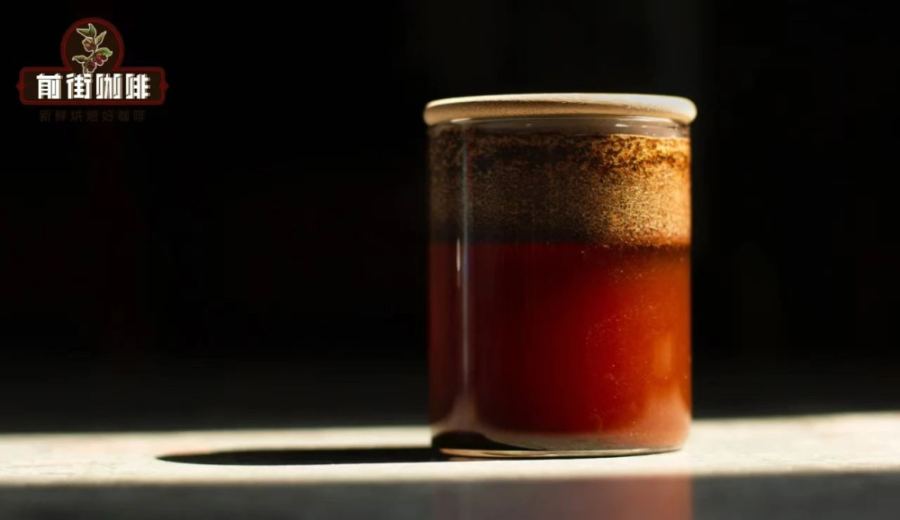
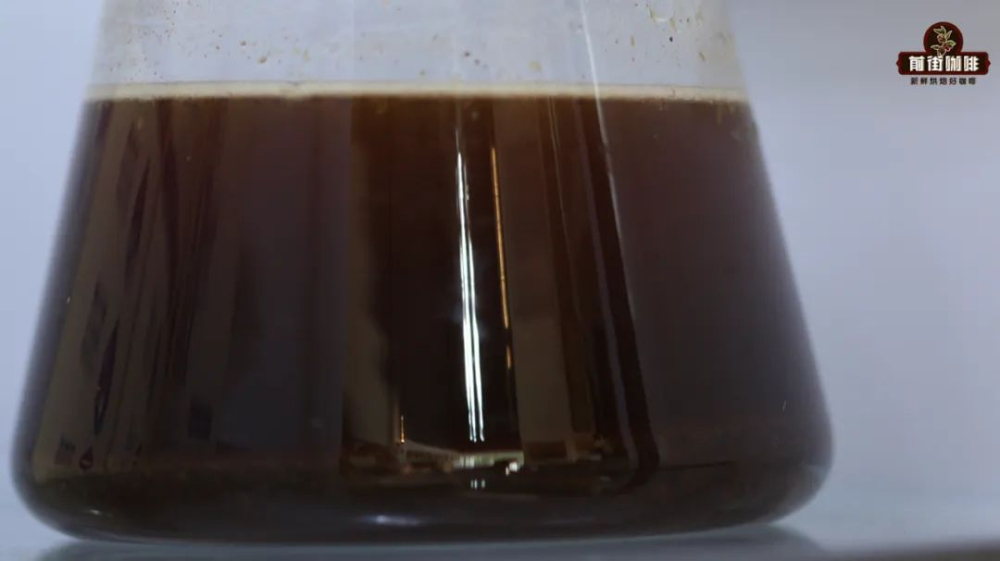
In practice, it is recommended to prepare a clean and sealable container, mix the ground coffee with cold water in the correct proportion, stir gently to ensure even distribution, then let it sit in the refrigerator for extraction. For example, using 40 grams of coffee grounds with 480 milliliters of water yields a ratio that falls exactly within the standard 1:12 range, suitable for most flavor profile needs. Once steeping is complete, filter out the coffee grounds using a filter cloth, paper, or sieve, and your fresh cold brew coffee is ready to enjoy. If time permits, refrigerating the filtered coffee liquid for an additional 4 hours can further enhance flavor integration and result in a smoother mouthfeel.
When it comes to coffee bean selection, beans with light to medium roasts often bring out the delicate flavors of cold brew better. If you enjoy a refreshing floral note, you can choose washed-processed beans; if you prefer tropical fruit aromas, naturally processed beans are a great option; and for those seeking fermentation notes and ripe fruit flavors, medium-light roasted beans with berry or citrus profiles are also recommended. These beans complement the low-temperature, long-duration extraction of cold brew, fully showcasing a variety of subtle flavor layers.
In summary, the charm of cold brew coffee lies in its high flexibility and simple brewing process. As long as you master thecoffee-to-water ratio of 1:12 to 1:13,grind size with 70–85% extraction through a #20 mesh sieve, andsteeping time of 8 to 24 hours—these three core parameters—you can adjust to create your own ideal cold brew flavor based on your taste preferences. Whether you’re looking to quickly enjoy a simple iced coffee or are willing to spend time exploring deeper flavor intricacies, cold brew can meet your needs.
The above content is compiled by CoffeeHunters, a coffee news website.


