







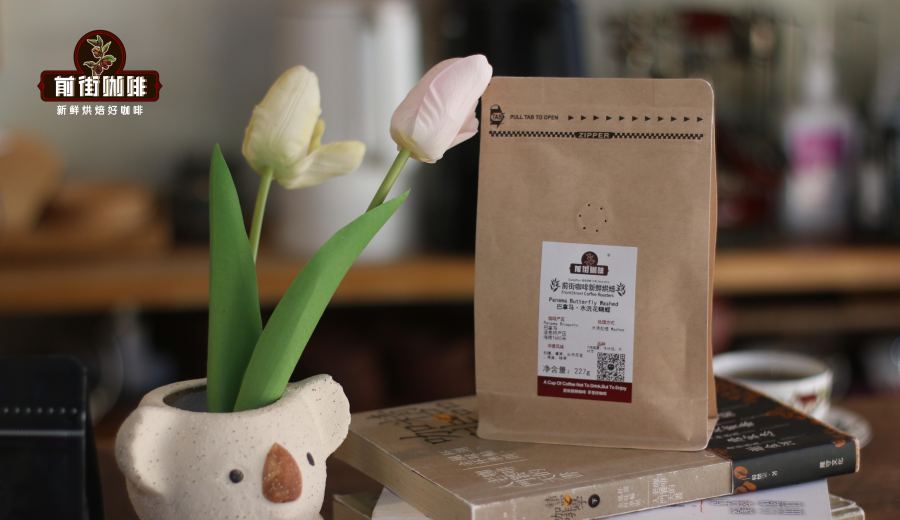
Introduction:The same coffee beans can yield vastly different flavors simply due to differences in processing methods. This article takes Panama’s Boquete region “Flower Butterflies” Gesha blend as an example to deeply analyze the principles, differences, and suitable scenarios of two mainstream processing methods—natural and washed—and through actual cupping data, allows you to intuitively experience the characteristics of both flavor profiles. Whether you’re a beginner or advanced pour over enthusiast, you’ll be able to grasp the key points of bean selection and tasting.
Have you ever wondered why the same coffee beans sometimes emit a refreshing floral aroma and black tea notes, while other times bring intense tropical fruit and red wine characteristics? The answer often lies in the crucial step known as “processing method.” This article uses the well-known Gesha blend “Flower Butterflies” from Panama’s Boquete region as an example, starting from varietal composition, regional background, to detailed analyses of the natural and washed processing techniques, taking you step by step to understand how these crafts shape distinctly different coffee flavor profiles.
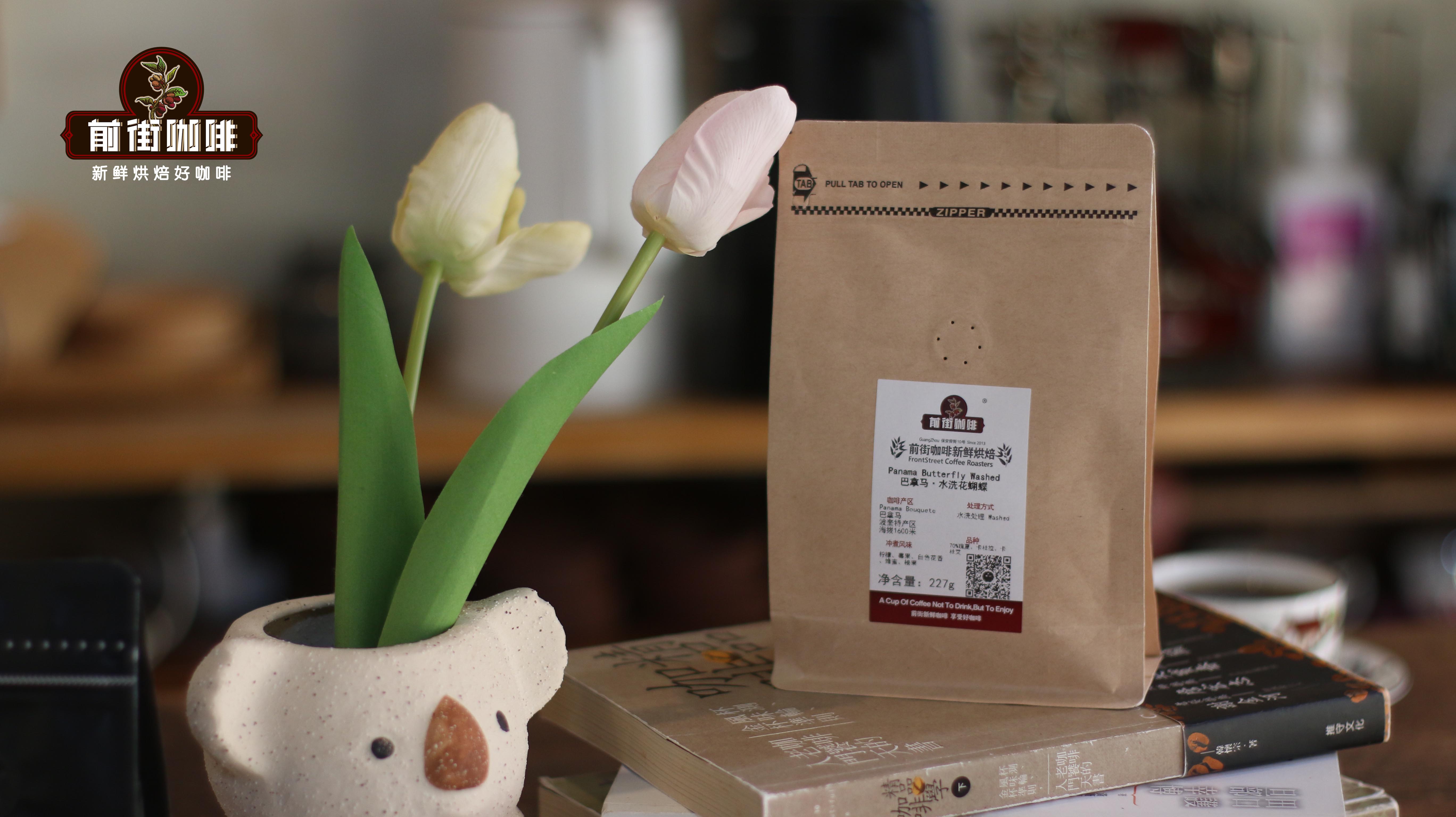
When it comes to the Flower Butterflies beans, many coffee enthusiasts are no strangers to them. It is a “Gesha blend” that combines multiple varieties, with washed Gesha making up about 70%, paired with Caturra and Catuai, and produced in Panama’s Boquete region—the very birthplace where the Gesha variety rose to fame. This combination not only retains the typical high aroma and full body of the Gesha series but also, thanks to its affordable price, becomes the go-to choice for many to experience the Gesha flavor.
The so-called “Gesha blend” refers, as the name suggests, to a mix of the Gesha variety with other coffee varieties. Taking common market examples, besides Panama’s washed Flower Butterflies, Costa Rica’s Mirasol Strawberry Candy is also one of the well-known Gesha blends. Even as far away as Ethiopia’s Gesha Village, its blended lot CHAKA, which combines Gesha 1931 and Gori Gesha, can also be categorized as a Gesha blend.
What makes Flower Butterflies unique is that although it includes three varieties—Gesha, Caturra, and Catuai—they are all grown in the town of Boquete in Panama’s Chiriquí Province and uniformly processed using the washed method. As a result, the overall profile presents a consistent washed Panama Gesha character and can still be considered a single-origin bean. In fact, varietal mixing within a region is a common phenomenon. For example, many Ethiopian coffee farms, due to the abundance of native varieties and mixed cultivation, often cannot separate varieties during harvest. These are eventually exported under the name “Heirloom” (heirloom varieties), and such coffees, although containing multiple varieties, are still regarded as single-origin.
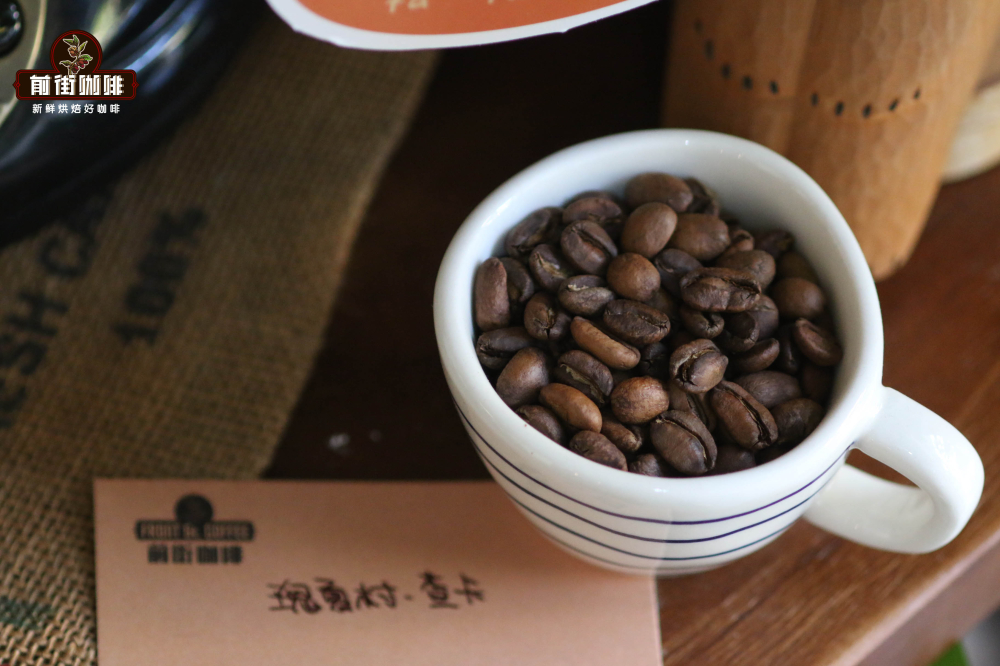
Back to Flower Butterflies, its 70% Gesha and 30% Caturra & Catuai ratio already holds high-quality potential. In the early days, farmers planted Gesha alongside other varieties to improve land use efficiency. Later, due to considerations of harvesting costs, they followed Ethiopia’s practice of unified harvesting, creating this blend that combines Gesha characteristics with an affordable price—its price is usually only half that of typical Panama Gesha, hence earning the reputation of a “Gesha alternative.”
Next, let’s focus on the differences in processing methods. The natural process (also called dry process) is the oldest coffee processing method, already in use since coffee was discovered in Ethiopia in the 6th century. Its principle is to directly sun-dry the entire coffee cherry until fully dried, then remove the outer pulp and seeds. The entire process requires almost no water and can be carried out as long as there is sufficient sunlight. However, this method is highly dependent on weather, with a drying cycle of about a month. In case of rainy seasons or humid weather, it can easily lead to abnormal fermentation or mold, and thus it is mostly found in tropical regions with distinct wet and dry seasons and abundant sunshine.
In contrast, the washed process relies heavily on water. The steps include floatation to remove floaters, mechanical removal of the pulp, fermentation to remove the mucilage, multiple washings, and finally drying and hulling. This process requires equipment such as a depulper, washing channels, and a stable supply of running water, and is commonly seen in regions like Colombia, Costa Rica, Panama, and Kenya. The advantage of the washed process is that it can effectively reduce the defect rate of green beans, improve quality stability, significantly shorten the drying time, and more importantly, it highlights the “washed flavor”—typically characterized by a cleaner, brighter acidity and clear floral and fruity notes.
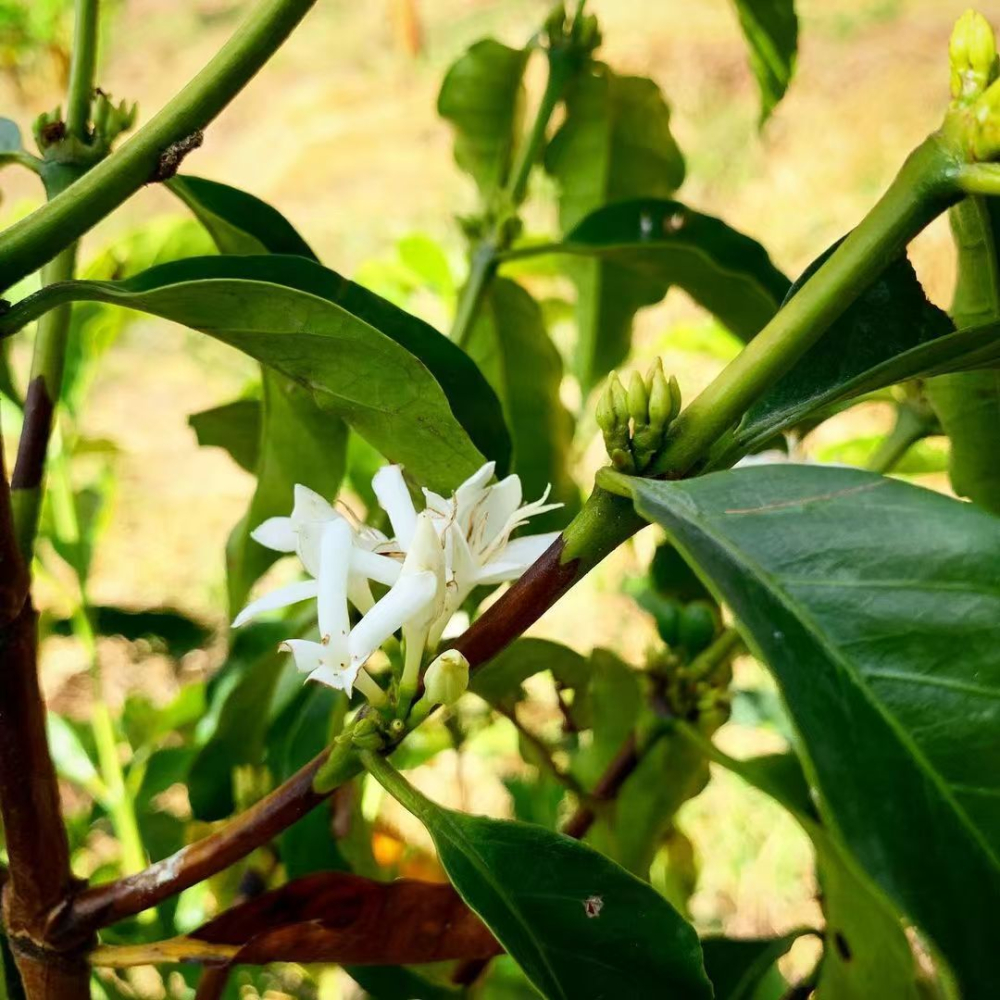
In actual cuppings, we used the V60 dripper for extraction, with similar parameters to ensure fairness. The washed Flower Butterflies had an extraction time of about 2 minutes and 10 seconds, with a clear flavor profile: white floral and black tea aromas dominated, accompanied by soft citrus acidity. The cup felt like freshly squeezed juice—refreshing, with high cleanliness and a long, non-muddled aftertaste. In contrast, the natural Flower Butterflies had a slightly shorter extraction time of about 2 minutes, yet the flavor direction was completely different—tropical fruits (such as citrus and pineapple) had intense sweetness, with a wine-like rich body, as well as subtle white floral notes. However, the overall cleanliness was slightly inferior to the washed version, and the finish was more intense and complex.
The difference between these two processing methods stems from the substances involved during the fermentation stage. The washed method removes most of the pulp and mucilage before fermentation, leaving only trace components to participate, thereby preserving the coffee bean’s original fresh characteristics. The natural method, however, dries the entire fruit with the pulp and mucilage fully enveloping the seed, resulting in a longer and more complex fermentation process, producing a richer, sweeter flavor profile. Whether you prefer the bright and clean flavors of pour over or the rich and fruity experience, understanding the characteristics of these processing methods will help you choose the coffee beans that best suit your taste more accurately.
The above content is compiled by CoffeeHunters, a coffee news website.


