







Introduction:Selecting the right coffee beans for pour over is essential for every coffee enthusiast. This article features the top 10 most popular single-origin pour over beans worldwide in 2025, covering renowned regions such as Colombia, Ethiopia, and Kenya. We provide a detailed analysis of each bean's unique flavor profile along with practical brewing recommendations. Whether you're a beginner or a seasoned coffee connoisseur, you're sure to find your dream bean here.
In the world of pour over coffee, the choice of beans directly determines the final flavor outcome. Many coffee lovers often wonder: what characteristics make a coffee bean particularly suitable for pour over? In reality, due to individual taste preferences, it’s difficult to provide a one-size-fits-all standard answer. However, as market data accumulates, certain beans that consistently receive praise for their extraction performance and flavor complexity have gradually formed a worthwhile reference list. Below, we’ll introduce ten highly acclaimed pour over single-origin beans in reverse order of popularity. These beans come from classic producing regions including Colombia, Ethiopia, Kenya, Brazil, Indonesia, Rwanda, and Panama, each with unique flavor characteristics and recommended brewing methods.
Many beginners often ask: what qualities should pour over coffee beans have? Which one best showcases the delicate flavors of pour over? In truth, coffee flavor is inherently subjective—there’s no universal specialty coffee ranking in the world, nor is there a so-called “one-size-fits-all” best choice. However, as more and more consumers get into pour over brewing, some beans that excel in extraction performance and flavor complexity have stood out, forming a valuable reference list. This article compiles ten popular and well-rated single-origin beans tailored to pour over extraction needs, listed in reverse order based on market feedback, to serve as a practical guide when choosing your coffee beans.
NO10. Colombian Huila:Flavor Profile: Dark chocolate, cocoa, cream, roasted nuts
The Huila region is located in the southwestern part of Colombia and is one of the country’s important specialty coffee-producing areas. The altitude here generally exceeds 1,500 meters, surrounded by mountains and home to major rivers in Colombia, providing abundant water resources and suitable humidity. This results in coffee with a strong mouthfeel and relatively full body, often accompanied by aromas of nuts, chocolate, and caramel, with moderate acidity.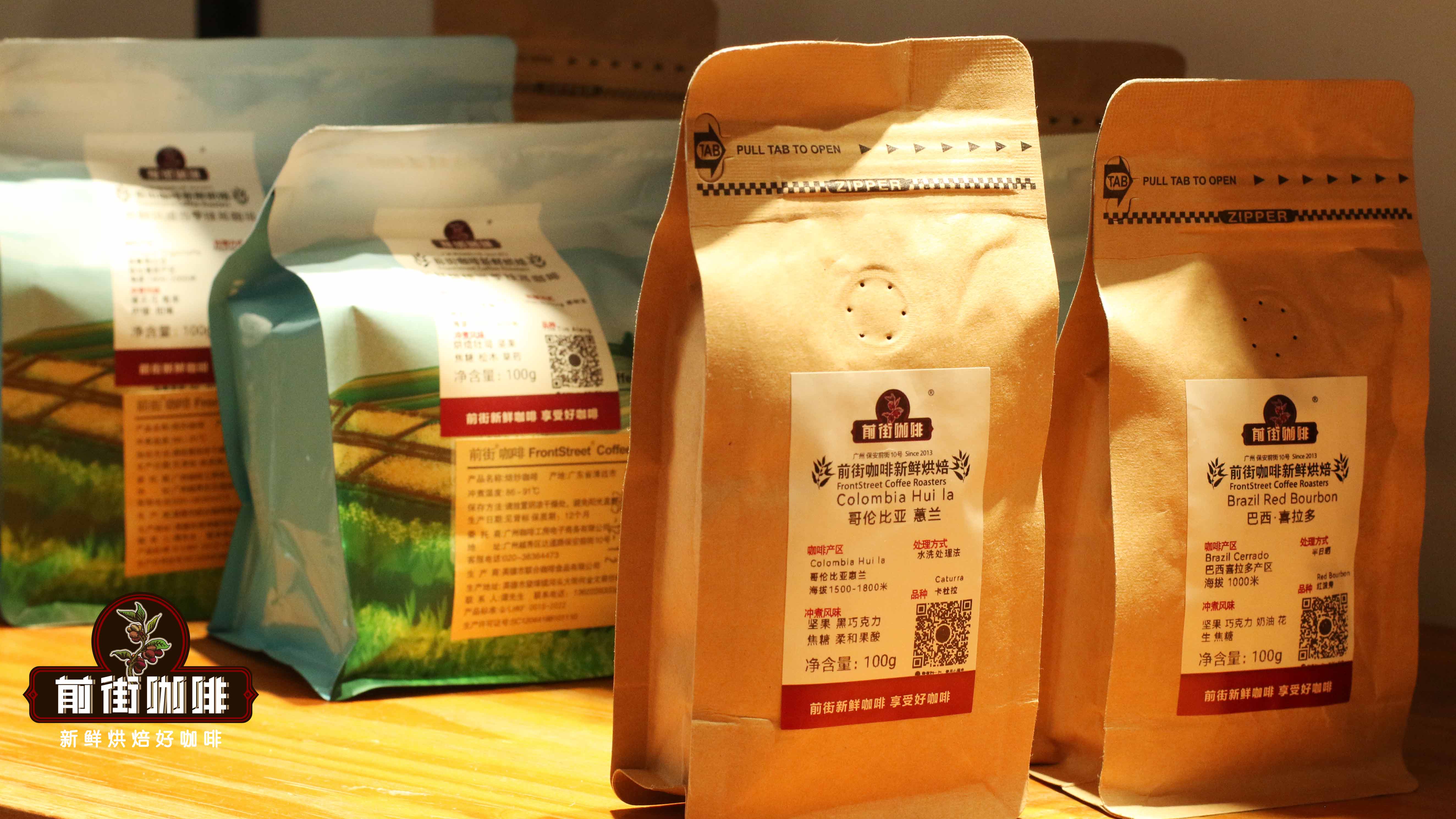
NO9. Yirgacheffe Guddina:Flavor Profile: Citrus, tea-like, floral, berries
Yirgacheffe, as one of Ethiopia’s most representative coffee regions, has long been recognized as an independent producing area due to its distinctive flavor. In fact, "Yirgacheffe" is not just a place name but also represents a specific type of coffee flavor profile. The Guddina cooperative was formerly part of the Wolkite cooperative, but due to its potential being discovered by green coffee buyers, it now operates independently. Its beans are known for rich jasmine floral notes, elegant citrus acidity, and pronounced honey and tea-like qualities.
NO8. Kenyan Little Tomato:Flavor Profile: Cherry tomato, pear, black plum, dark plum
Kenyan coffee is renowned for its high acidity, bright berry flavors, and clear acidity structure, making it especially suitable for coffee lovers who enjoy fruity acidity. This Little Tomato bean not only showcases deep floral notes but also delivers a distinct juicy sensation. It’s recommended to brew using cold pour over, cold drip, or cold brew methods to better highlight its refreshing sweet-and-sour layers.
NO7. Brazilian Queen Estate Yellow Bourbon:Flavor Profile: Chocolate, roasted nuts, cane sugar, butter
Yellow Bourbon is a genetic mutation of the Bourbon variety, widely praised for its high yield and stable quality. This variety is unique to São Paulo State in Brazil, where its fruits ripen to an orange-yellow color rather than the typical red of Red Bourbon. The Queen Estate Yellow Bourbon exhibits soft nutty and chocolatey flavors, balanced and clean acidity, light bitterness, and an overall bright and refreshing profile.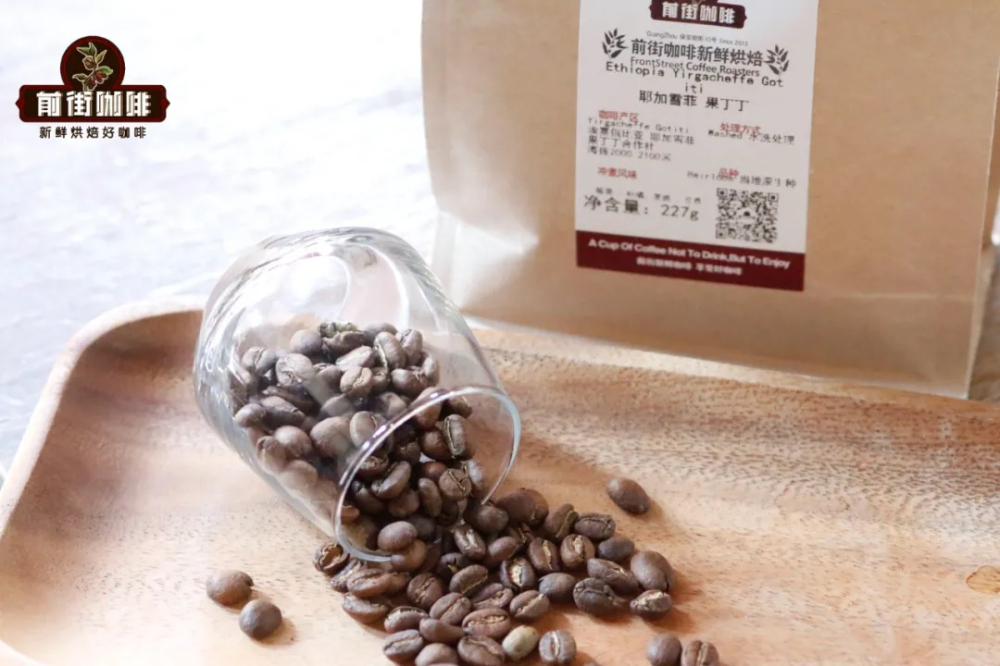
NO6. PWN Golden Mandheling:Flavor Profile: Dark chocolate, caramel, spices, herbs, pine
PWN applies extremely strict selection criteria for Golden Mandheling, using only G1 grade beans that are 18 mesh size or larger, with fewer than three defects per 300g sample. The beans are dark green in color and uniformly shaped. This version of Golden Mandheling offers a rich and clean mouthfeel when brewed, with intense nutty and caramel aromas complemented by chocolate aftertaste. The finish is long-lasting and layered, with excellent balance.
NO5. Rwandan Red Bourbon:Flavor Profile: Berries, citrus, caramel, nuts
Common coffee varieties in Rwanda include Bourbon, Catuai, and Catimor, among which Red Bourbon is known for its citrus and nutty character. Washed Red Bourbon shows pronounced citrus and plum acidity, with nutty aromas in the mid-to-late stages and a honey-like aftertaste. As the temperature drops, berry flavors become more pronounced, offering an overall smooth mouthfeel and outstanding balance—suitable for various brewing methods.
NO4. Strawberry Candy Gesha Blend:Flavor Profile: Strawberry taffy, rose, raisin, cream, almond
This blend combines Costa Rican honey-processed beans with Panamanian washed Gesha, showcasing elegant floral qualities—especially the classic rose aroma—that are relaxing. Its flavor layers are as sweet as strawberry taffy and raisins, paired with a creamy and almond aftertaste. Ideal for coffee lovers who enjoy the fusion of fruity and floral notes.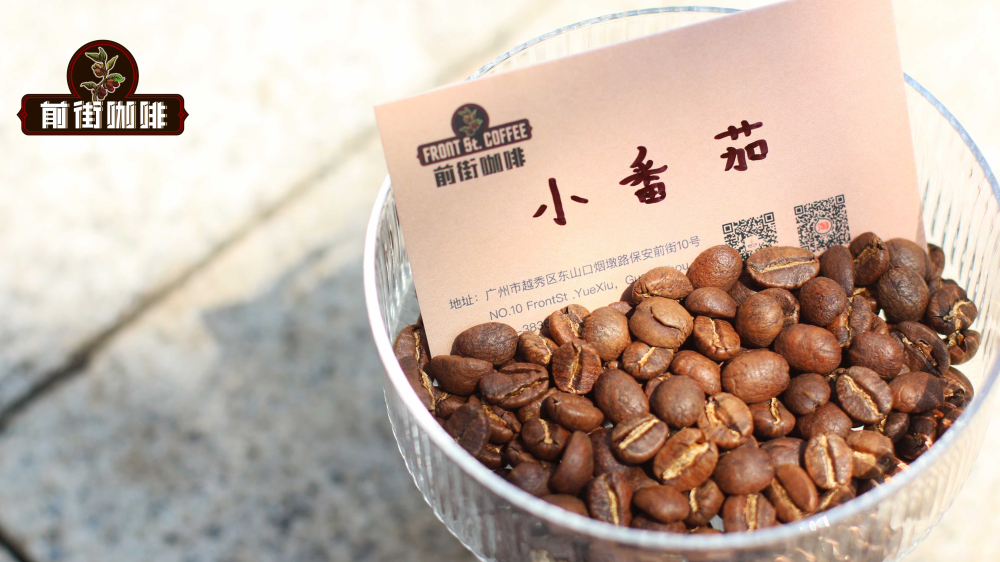
NO3. Boquete Gesha:Flavor Profile: Jasmine, honey, citrus, green tea
Gesha coffee originates from Ethiopia but gained fame for its exceptional performance at Panama’s Hacienda Esmeralda. Its standout features are clear and pronounced floral and citrus flavors, with gentle and refined acidity, long-lasting sweetness, and a delicate mouthfeel reminiscent of premium black tea. The interplay of floral notes and tropical fruit sweetness creates a unique floral-fruit aroma, with high clarity and distinct layers.
NO2. Colombian Sidra:Flavor Profile: Grape, passion fruit, citrus, apricot, dried fruit
These beans from the Frontera Estate in the Huila region are grown at an altitude of 1,700 meters and processed using double anaerobic natural fermentation. Sidra exhibits intense passion fruit and grape aromas, paired with the sweetness of dried fruit and the acidity of oranges like pomelo. The aftertaste carries hints of almond, making it highly favored by those seeking complex fruit flavors and enjoying very high repurchase rates.
NO1. Ethiopian Huaca:Flavor Profile: Strawberry, citrus, guava, mango
Huaca coffee is known for its subtle floral notes and outstanding fruity aromas, particularly tropical fruit profiles like creamy strawberry, mango, jackfruit, citrus, and blueberry, showcasing the ripe fruitiness characteristic of Sidamo natural-process beans. With its rich berry fragrance, this bean won first place in that year’s TOH green coffee competition, becoming a top choice for many pour over enthusiasts.
The above content is compiled by CoffeeHunters, a coffee news website.


