







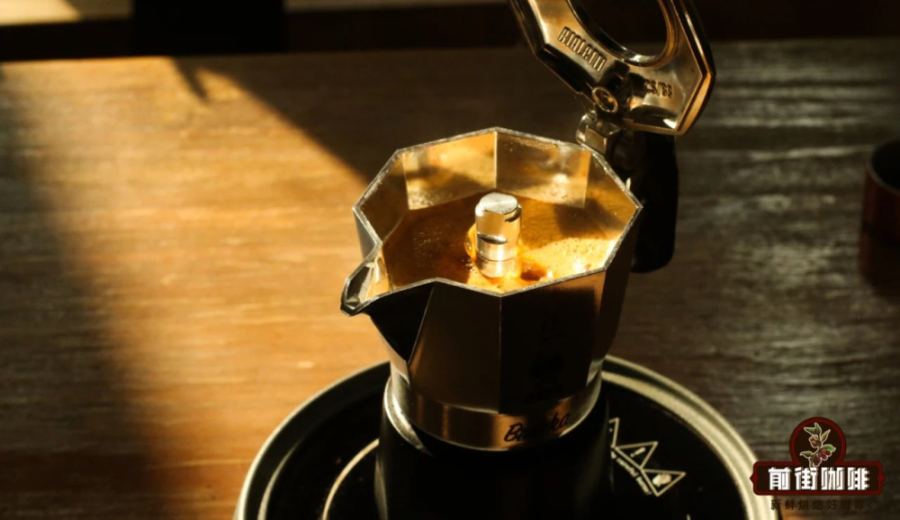
Introduction:If you want to recreate the flavor of espresso at home, the moka pot is a high-value classic tool. With the right heating method, coffee-to-water ratio, and bean selection, you can easily brew a coffee with layers and crema. This article explains the working principle of the moka pot, the differences in dual-valve designs, the characteristics of suitable coffee beans, and practical selection advice, along with clear steps and flavor descriptions to help you progress from beginner to expert.
The moka pot is a staple in many coffee lovers' homes. Thanks to its unique pressure extraction mechanism, it can produce an espresso-like brew close to that of an espresso machine. Whether you prefer the bold taste of dark roasts or want to explore the balance between crema and aroma, mastering key parameters allows you to craft a rich and full-bodied cup using the moka pot.
Unlike pour over or drip methods, the moka pot heats water in the lower chamber, generating steam pressure that pushes hot water up through the coffee grounds in the middle basket and extracts coffee into the upper chamber. While the pressure in this process is not as high as in professional espresso machines, it is still sufficient to extract the coffee's crema and deep flavors.
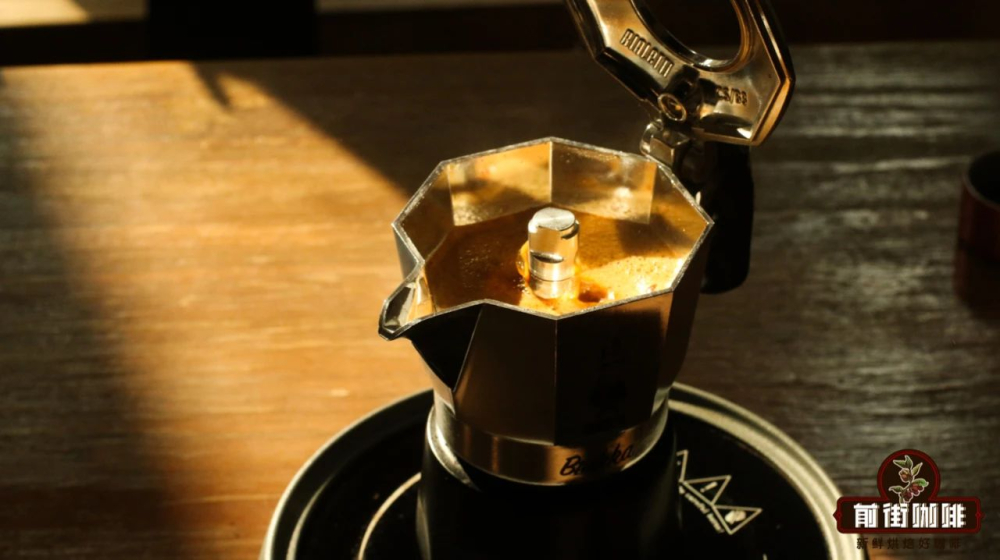
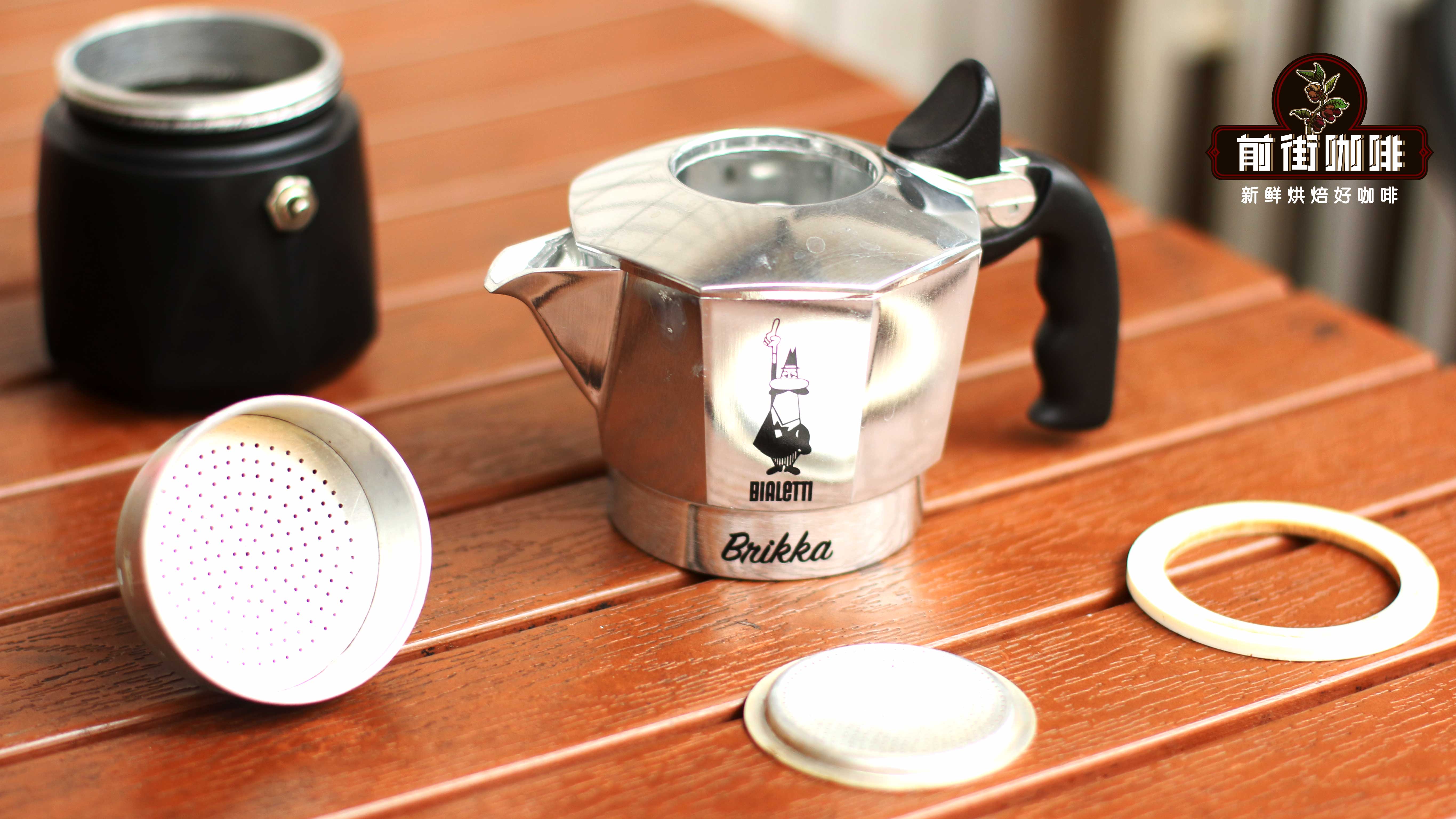
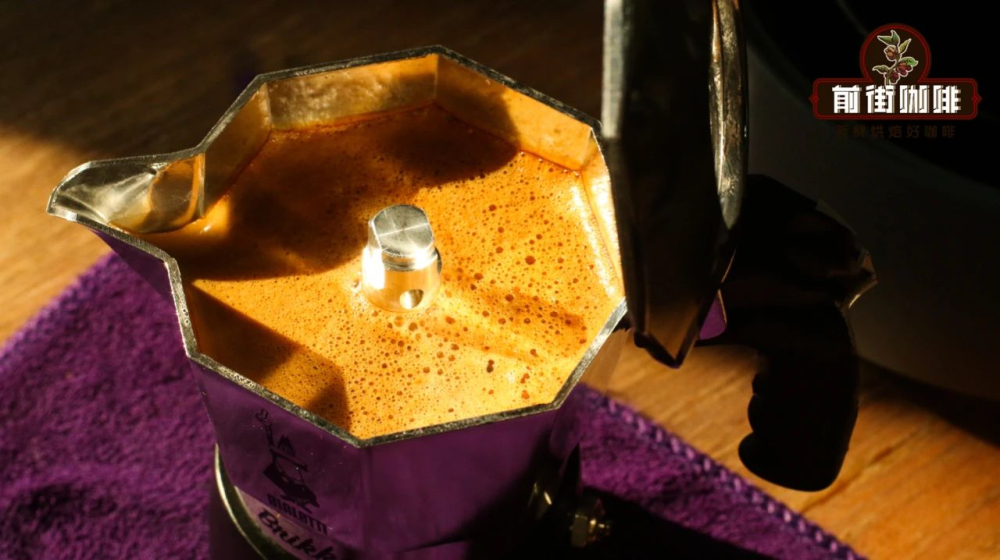
Among the many types of moka pots, the dual-valve design (common in models like BRIKKA) further enhances pressure performance, making extraction more efficient and the coffee more intense. However, this enhanced pressure can easily lead to over-extraction with dark roasted beans, resulting in increased bitterness. Therefore, it is recommended to adjust grind size and heating time based on the bean type.
The moka pot mainly consists of three parts: the lower chamber, the coffee basket, and the upper chamber. To use it, first add an appropriate amount of hot water to the lower chamber (recommended not to exceed the safety valve). Then, place properly ground coffee into the basket—the grind size should be about as fine as sea salt. Fill evenly, level the surface, reinsert the basket into the lower chamber, and finally attach and tightly screw on the upper chamber.
It is recommended to heat using low to medium heat, whether on a gas stove or induction cooktop. When you see the coffee begin to flow out and hear a slight hissing sound, it means extraction is nearing completion—turn off the heat immediately to avoid over-extraction affecting the flavor. A typical moka pot yields about 30 to 60 milliliters of espresso, with a commonly recommended coffee-to-water ratio of 1:2 to 1:3, adjustable slightly based on personal taste.
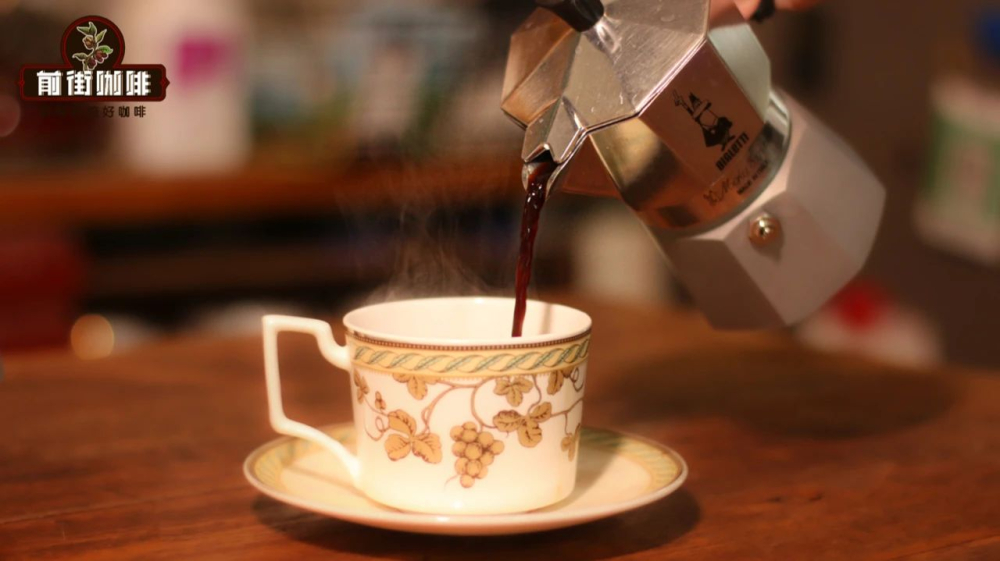
Choosing the right coffee beans for the moka pot is one of the keys to the final result. Dark roasted beans usually exhibit richer crema and intense chocolate and nut flavors, but care should be taken to avoid unpleasant bitterness from over-extraction. Moderate roast levels and freshly roasted beans are also important factors in maintaining flavor quality.
Common beans suitable for moka pot use often have distinct nutty, dark chocolate, or caramel notes, which become even more pronounced under pressure extraction. For example, some blends use Brazil or Indonesia as the base, paired with beans from Central and South America or Africa, offering a balanced and layered taste.
In practice, beginners are advised to start with standard parameters: fill the lower chamber with about 50 to 60 milliliters of water, use 10 to 20 grams of coffee in the basket, grind size close to sea salt, and a coffee-to-water ratio around 1:2.5. As you gain experience, you can adjust strength and extraction time according to your preferences to find your ideal recipe.
When coffee begins to flow, pay attention to the flow rate and changes in sound. Initially, the flow should be steady and amber in color; if it’s too fast or too slow, it may indicate issues with grind size or tamp. When the sound turns to a slight hiss and the flow noticeably slows, it’s time to stop heating—this usually means the coffee has reached an ideal extraction state.
In terms of flavor, coffee brewed with a moka pot typically has a strong roasted aroma, nutty, and chocolatey profile, with a full body and rich crema. If using dark roasted beans, you might also detect subtle smoky or spicy notes; for a more balanced flavor, try a medium-dark blend to bring out caramel and creamy textures, with a sweet finish and long-lasting aftertaste.
In summary, the moka pot is not only a retro yet practical brewing tool, but also a top choice for many home coffee enthusiasts exploring espresso-style flavors. By mastering the coffee-to-water ratio, grind size, and heating time, you can easily brew a rich, crema-filled cup at home, enjoying an espresso-like drinking experience.
The above content is compiled by CoffeeHunters, a coffee news website.


