







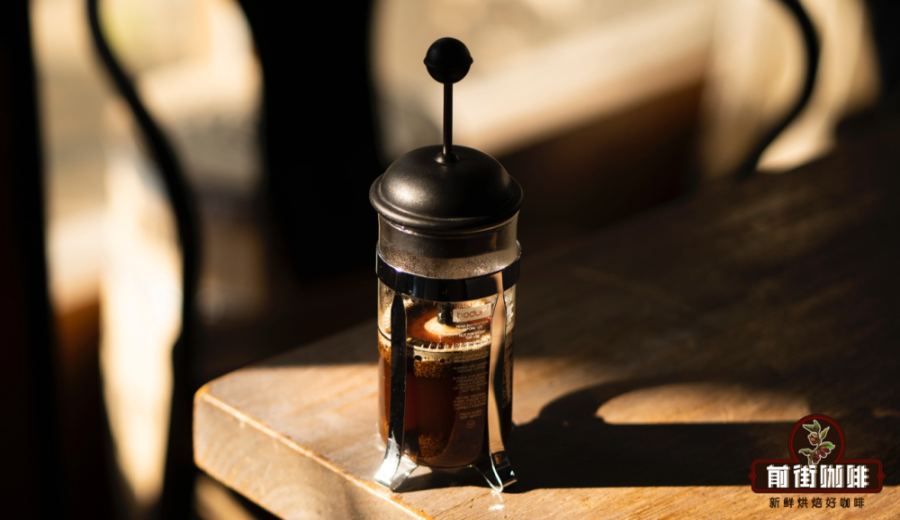
Introduction:The French press is a common brewing tool found in many coffee enthusiasts’ homes. It’s simple to use and offers high stability, but if you want to brew a balanced and full-bodied Kawehu coffee, getting the right combination of water temperature, coffee-to-water ratio, and grind size is crucial. This article will delve into how to precisely control these parameters—avoiding over-extraction that leads to bitterness or overly coarse grinds that result in weak flavor—and provide a practical brewing process so you can easily enjoy a richly flavored Kawehu coffee at home.
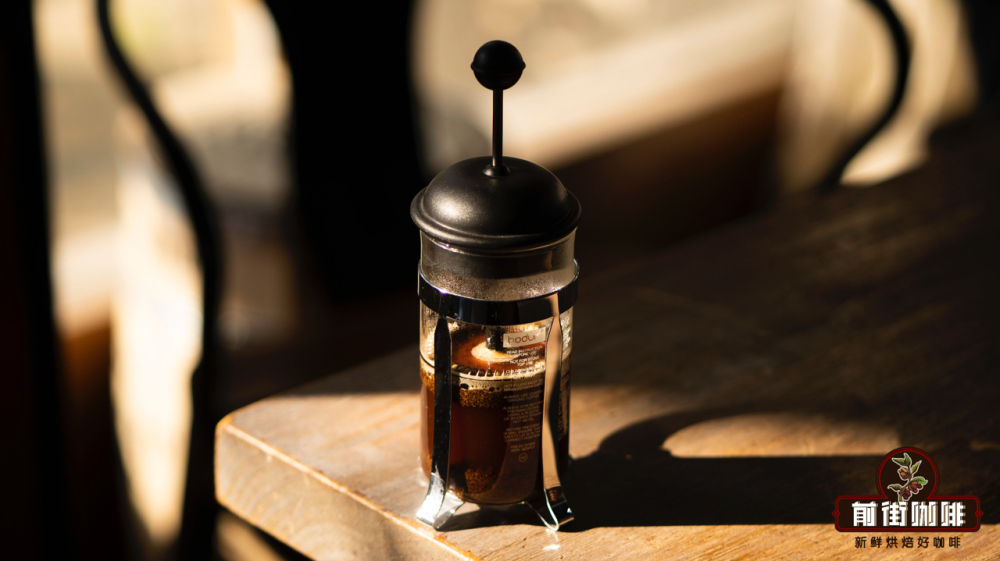
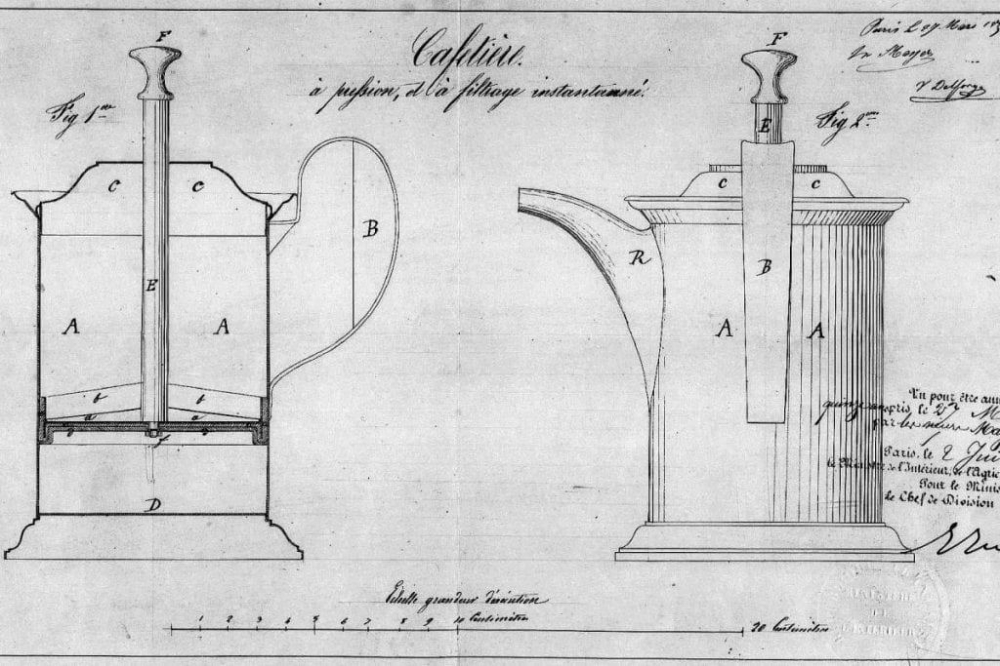
The French press, also known as a press pot, is referred to in English as a French Press. It is one of the most intuitive and stable home brewing devices favored by many coffee lovers. Its history dates back to the mid-19th century when it was originally invented as a metal filtration device by a craftsman and a merchant working together. This device used a movable rod and filter screen to separate coffee grounds from liquid, resulting in clearer brewed coffee. With technological advancements, especially improvements made by Italian manufacturers in the early 20th century, the modern French press as we know it gradually took shape.
Although the French press was not originally designed specifically for coffee—it was more commonly used for tea—it has become a popular choice for brewing coffee at home or in the office due to its ability to preserve the original flavors and oils of coffee, along with its low barrier to entry. Especially for those who want to enjoy a rich and full-bodied Kawehu coffee, the French press is a highly practical tool that should not be overlooked.
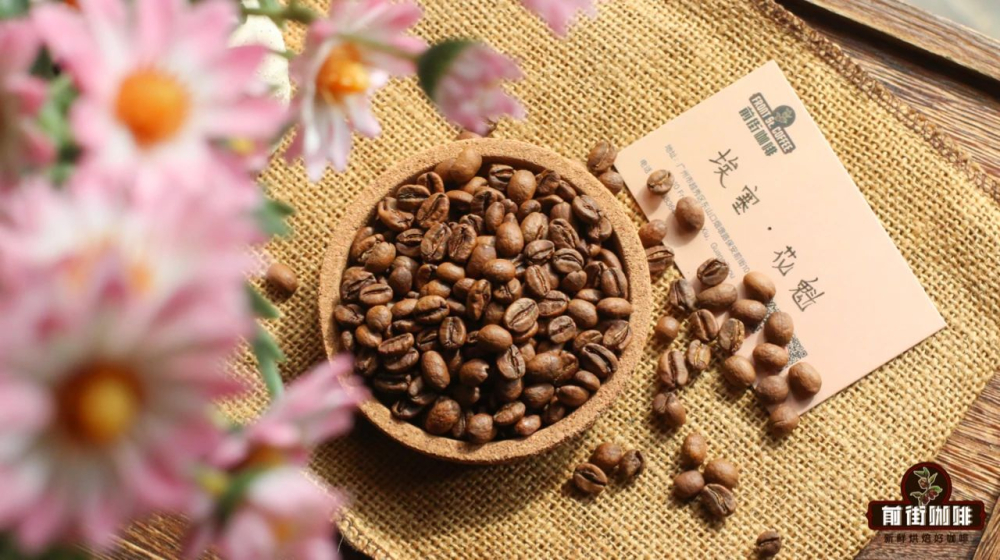
The popularity of Kawehu coffee beans originated in 2017 when Ethiopia’s DW Company submitted them to the local TOH (Taste of Harvest) competition, where they won the championship in the natural (sun-dried) category. These beans come from the Buku Abel processing site in the Hambela zone of the Guji region. Processed using the natural method, they exhibit intense strawberry cream aromas and complex berry notes. In that same year, Chinese barista Li Jianfei helped propel Kawehu onto the international stage with an outstanding performance in a domestic coffee brewing competition, further promoting the name “Kawehu,” which means “the queen of all flowers.”
After cupping this batch of Kawehu coffee beans, one brand noted that its flavor profile prominently features strawberry cream as the leading note, complemented by the bright aromas of citrus and berries, with a soft tea-like finish. Overall, it showcases the layered complexity and vibrancy typical of medium-light roasted coffee. However, if the key variables of water temperature, coffee-to-water ratio, and grind size are not precisely controlled during home brewing, the result can easily be bland or even overly extracted and bitter.
Based on practical experience, when brewing Kawehu coffee with a French press, it is recommended to set the following parameters: water temperature should be controlled atapproximately 90°C, the amount of coffee grounds should be15 grams, with225 grams of water, achieving a coffee-to-water ratio of 1:15, and the coffee grounds should be ground to a coarseness whereabout 70% passes through a Chinese standard No. 20 sieve , equivalent to a medium-coarse grind, similar in texture to sea salt or coarse sugar.
The specific brewing process is as follows: First, preheat the French press with hot water to help maintain temperature stability during extraction, then discard the water. Next, add 15 grams of coffee grounds and slowly pour 225 grams of 90°C hot water, ensuring all the coffee grounds are evenly saturated. After lifting the plunger to the top, let it steepfor about 4 minutes. Once the time is up,slowly and steadily press the plunger down to about one-quarter of its full travel, then pour out the coffee and enjoy.
Why does the French press work better with a coarser grind? This is closely related to its immersion brewing principle. The French press allows coffee grounds to steep in hot water for an extended period. Using too fine a grind significantly increases the contact area between coffee and water, thereby raising the risk of over-extraction, which can lead to noticeable bitterness and a rough mouthfeel. In contrast, a moderate coarse grind allows water to flow through the coffee bed at a slower pace, helping to extract flavor compounds evenly while avoiding the release of undesirable impurities.
Unlike pour over brewing, the French press does not use paper filters but instead employs a metal mesh filter. As a result, a certain proportion of fine coffee particles will end up in the final cup, which is why it’s key to keep the grind coarseness around the 70% passing rate. If you wish to further adjust the flavor, you can try fine-tuning the water temperature or extending/shortening the steeping time, but be aware that each variable can significantly impact the final taste.
Additionally, as a medium-light roasted coffee bean, Kawehu releases its flavor compounds relatively slowly. Therefore, it benefits from slightly higher water temperatures during brewing, which helps to bring out its rich berry, cream, and citrus profiles. If the water temperature is too low, it may lead to insufficient extraction, resulting in a thin-bodied coffee with prominent acidity and difficulty in showcasing its intended layers and sweetness.
In summary, to successfully brew a full-flavored and smooth Kawehu coffee using a French press, the key lies in comprehensively managing the three main elements: water temperature, coffee-to-water ratio, and grind coarseness. Beginners are advised to follow the above parameters and practice step by step, observing how slight adjustments affect the flavor each time, gradually finding the brewing method that best suits their personal taste. With stable operation and careful tweaking, you can easily enjoy a high-quality Kawehu coffee experience at home, just like in a café.
The above content is compiled by CoffeeHunters, a coffee news website.


