







Introduction:The washed processing method is a common raw bean treatment in specialty coffee, known for highlighting clean, bright acidity and a well-defined flavor profile. This article provides a detailed look at each step of washed coffee production—from floatation, pulping, fermentation to drying and hulling—and analyzes how these processes affect the coffee’s sugar and acidity profiles. It also features three medium-roast washed beans, including Yirgacheffe Guji Dingding, Kenya Little Tomato, and Colombian Huila, which are ideal for pour over, cold brew, and espresso brewing—helping readers find their perfect match.
In the world of specialty coffee, washed and natural are two of the most common coffee bean processing methods. If you’re after a coffee with clear, bright flavors and prominent fruit acidity, washed processing is usually the go-to choice. This article delves into the full processing journey of washed coffee beans—from harvest to green bean—covering steps such as floatation, pulp removal, fermentation and mucilage breakdown, washing, and the final drying and hulling stages, giving you insight into how each step influences the final flavor.
The hallmark of the washed method lies in its use of water processing, which effectively reduces the sugar content in coffee beans while increasing the proportion of organic acids. This results in a coffee with bright acidity, a clean mouthfeel, and a layered complexity. This processing approach not only preserves the intrinsic aromas of the coffee but also delivers a refreshingly clean drinking experience.
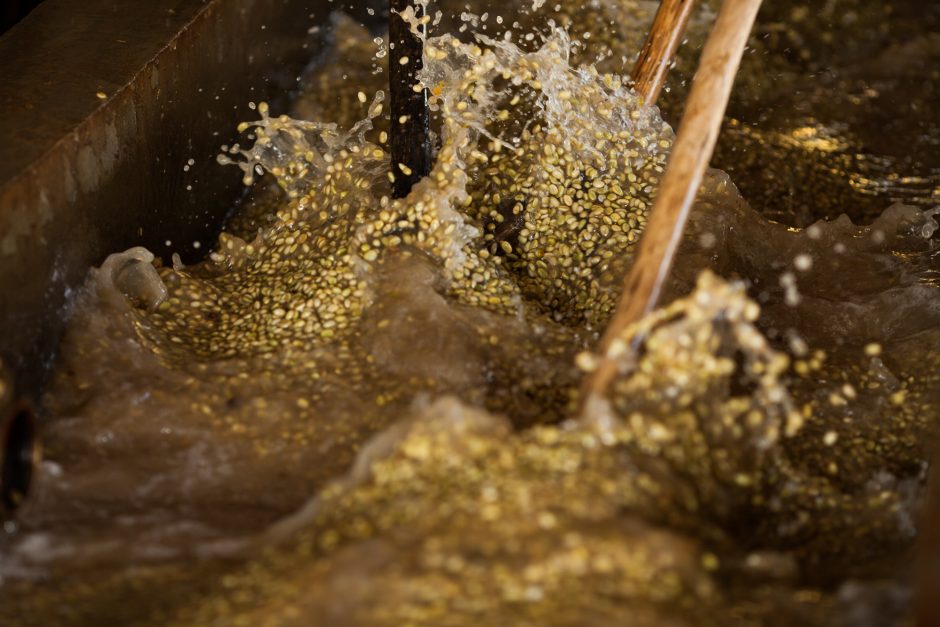
The entire washed processing workflow begins with floatation, a step that primarily uses water buoyancy to screen out underripe or already fermented defective coffee cherries. Next, the outer skin and pulp are removed through mechanical or manual means, exposing the inner coffee bean along with its sticky mucilage layer. At this stage, the coffee beans still carry a large amount of viscous mucilage, which must undergo fermentation to break down this gel-like layer.
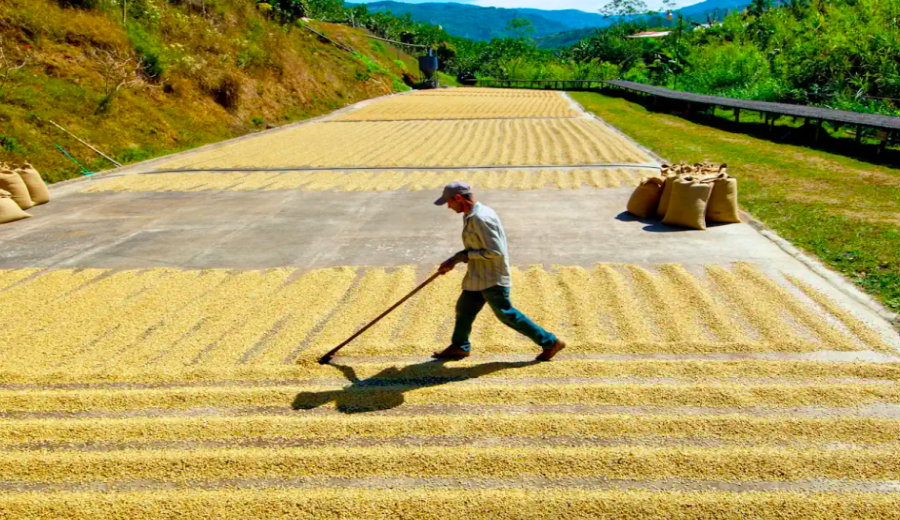
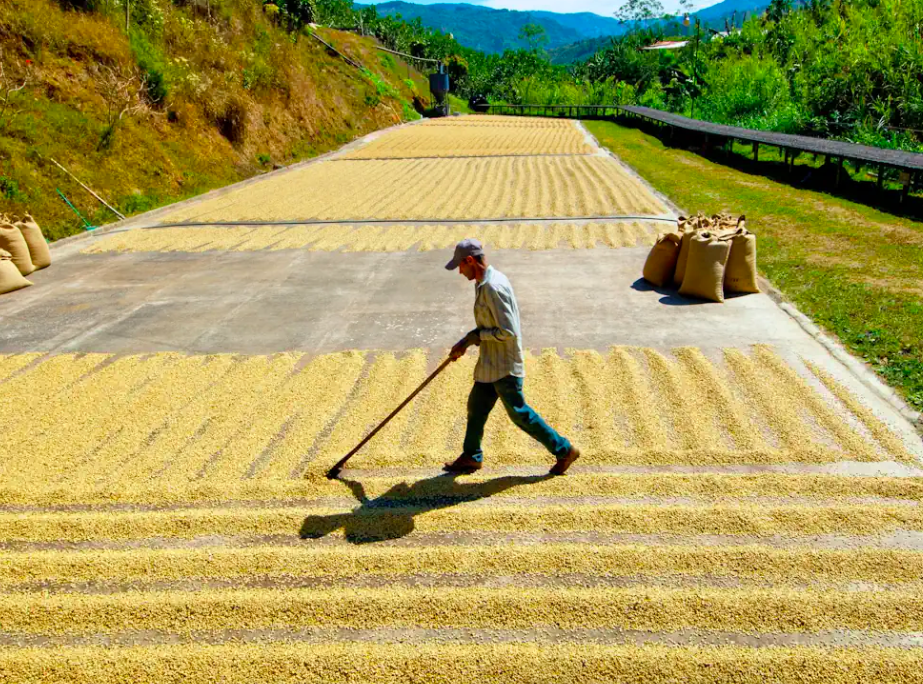
The duration and environmental conditions of fermentation vary depending on the origin and the processing facility’s techniques, but it typically takes anywhere from 12 to 72 hours. After fermentation, the beans become relatively cleaner on the surface, but still require multiple washes to remove residual fermentation byproducts. Finally, the clean parchment beans are placed on drying patios or processed using mechanical drying equipment to reduce the moisture content to around 11%, after which hulling is performed to extract the final green beans we see.
It’s worth noting that the prolonged soaking of coffee beans in water during washed processing promotes the significant breakdown of internal monosaccharides such as glucose and fructose, leading to a slight reduction in overall sweetness. However, the content of organic acids is correspondingly increased. As a result, washed coffee often exhibits a more refreshing, bright-acid profile, making it suitable for drinkers who prefer a clean and vibrant taste.
If you’d like to explore the charm of washed coffee, start with Guji Dingding from the Yirgacheffe region. This medium-light roast washed bean, thanks to the washed process, fully showcases jasmine floral notes and bright citrus acidity. Green tea and honey aroma layers are particularly noticeable when brewed via pour over or cold brew, making it an excellent choice for coffee lovers who enjoy fresh, fruity profiles.
Another recommended option is Kenya Little Tomato. This coffee hails from Kenya, renowned for its double washed processing method. Through multiple immersions and rinses, it maximizes a fruity, sweet-and-sour character. When sipped, you can detect rich fruit aromas like cherry tomatoes, black plums, pears, and black apples, paired with a moderate hint of brown sugar sweetness. The interplay of sweet and sour is layered and distinct, making it one of the standout representatives among washed coffees.
For those who prefer lower acidity and a rounder, smoother flavor, Colombian Huila is a great choice. Produced in Colombia, a globally renowned Arabica bean region, this medium-dark roast washed bean exhibits aromas of roasted hazelnuts, cream, and chocolate. It offers a full-bodied mouthfeel with a clean aftertaste, suitable for brewing with a moka pot or espresso machine, and also performs steadily when brewed via pour over.
The above content is compiled by CoffeeHunters, a coffee news website.


