







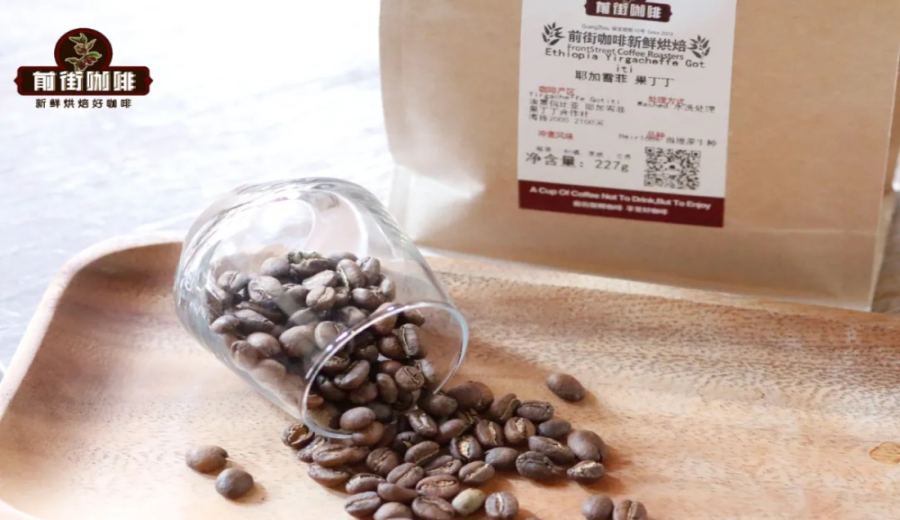
Introduction:Ethiopia is the genetic treasure trove of Arabica coffee worldwide, and its unique green bean grading system serves as an important reference for importers and coffee enthusiasts to evaluate quality. This article explains in detail the logic behind Ethiopia’s old and new green bean grading systems, helping you understand the actual differences in defect rates, cupping scores, and flavor profiles between Yirgacheffe washed G1 and G2. It also includes recommended parameters for light-roast pour over brewing to help you choose coffee beans more wisely.
Ethiopia is not only one of the birthplaces of coffee but also the genetic bank of Arabica varieties globally, home to thousands of wild and semi-wild varieties, most of which have not yet been fully classified. Due to the diversity of varieties and their varying shapes, the local government collectively refers to these unnamed varieties as "Heirloom" (Heirloom), a term also used as a label for many well-known micro-regions such as Yirgacheffe and Sidamo. These coffees usually have smaller beans and irregular appearances, yet they also harbor rich layers of aroma.
Ethiopia’s coffee grading system differs significantly from other producing regions. Unlike Kenya, which uses bean size as the criterion, or Blue Mountain coffee, which relies on altitude for grading, Ethiopia primarily evaluates green bean quality based on "defect rate" and "cupping score." This evaluation method reflects the complex production environment in the region—coffee is often harvested in gardens, forests, or mixed-crop settings, with mixed varieties making it difficult to rely solely on appearance or processing methods for classification.
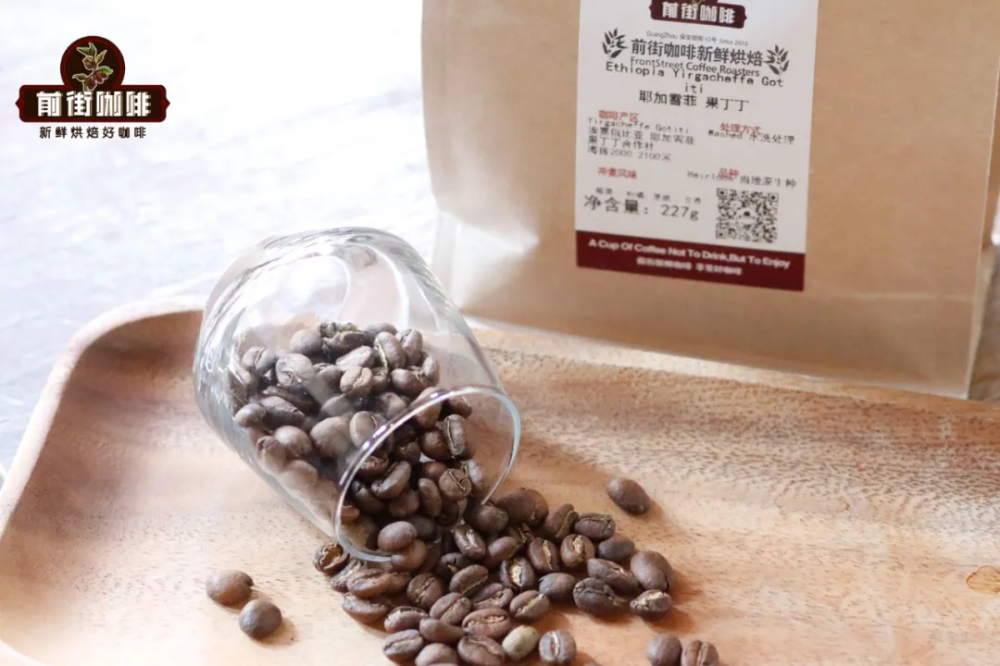
Prior to 2009, before the establishment of the Ethiopian Commodity Exchange (ECX), the country’s coffee grading was managed by the Cupping and Liquoring Unit (CLU) under the Ministry of Agriculture, and only five grades were recognized. At that time, only washed coffee beans had the chance to be rated as G1 or G2, these two grades being considered specialty coffee. In fact, G1 washed beans were extremely rare and seldom seen on the market, with most exported washed beans falling under the G2 grade. Sun-dried beans, due to their relatively rough harvesting and processing, were commonly found in G3 to G5 grades and rarely reached the higher quality echelons.
In traditional sun-dried processing, coffee cherries are often simply placed on the ground or rooftop to dry, a simple procedure that is also prone to contamination by impurities such as stones, leaves, or even unripe beans, resulting in inconsistent flavors. In contrast, washed processing involves additional steps such as pulp removal and flotation, which can significantly reduce sources of off-flavors, and thus was considered more “premium” at the time, frequently earning G1 or G2 grades.
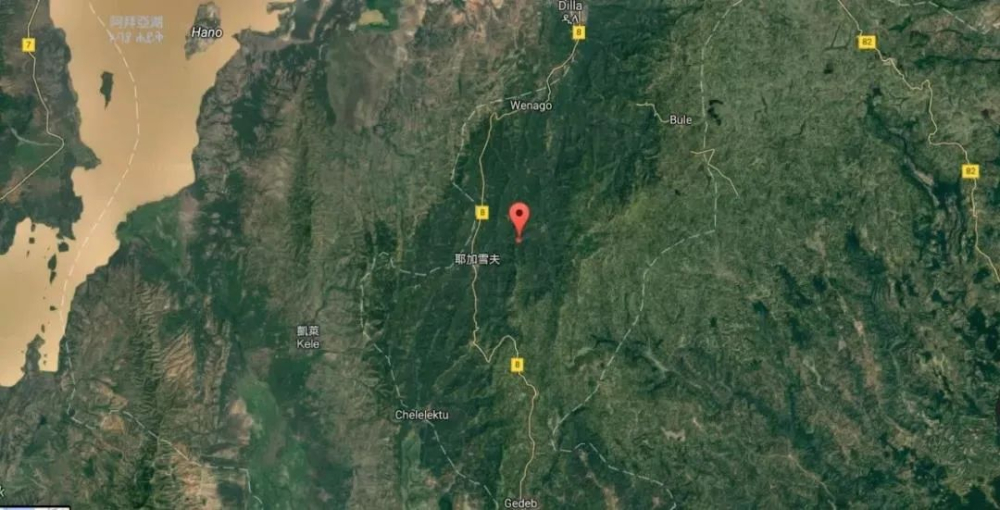
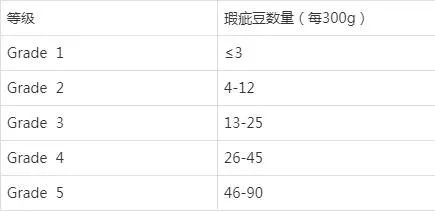
Before 2009, the grading standards for washed beans were as follows:
Grade 1 (G1): 0 to 3 defective beans per 300 grams of green beans, representing extremely high quality and very rare.
Grade 2 (G2): 4 to 12 defective beans per 300 grams of green beans, a common grade for washed specialty coffee.
However, with the rise of the specialty coffee market and advancements in sun-dried processing techniques, the old grading system could no longer fully reflect the true quality of the coffee. In October 2009, with the assistance of international specialty coffee organizations, the Ethiopian government introduced a brand-new ECX grading system, changing the previous method that classified beans solely based on processing method and defect rate.
The new system not only takes defect rates into account but also incorporates cupping scores into the evaluation, allowing sun-dried beans the opportunity to reach G1 or G2 grades. Nowadays, all exported coffee beans, whether sun-dried or washed, are first categorized by processing method, then graded from G1 to G9 based on physical characteristics and cupping results. Among them, batches graded G1 to G3 undergo further cupping to assess flavor performance:
- Those scoring 85 points or above are classified as Q1 grade (equivalent to specialty coffee)
- Those between 80–85 points are classified as Q2 grade
- Those scoring below 80 points, including some G1, G2, and G3, are categorized as general commercial grade (G3 or lower)
Ultimately, Q1 and Q2 can be exported as "specialty grade," while G4 to G9 are classified as commercial grade (Commercial Grade).
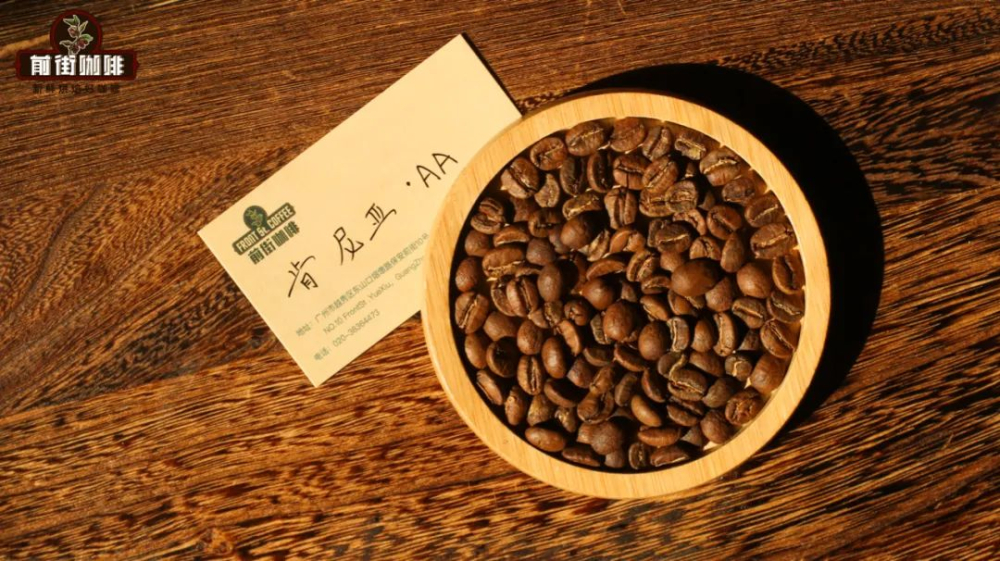
Taking the commonly seen Yirgacheffe washed beans as an example, G1 and G2 are the two most notable grades. Through practical comparison, we can see clear differences among them in green bean appearance, defect rate, and final flavor.
G1 green beans usually have more uniform particle size and consistent color, with very few defective beans, giving them an overall more "attractive" appearance. G2 green beans, on the other hand, vary in size, may show occasional defects, and have a generally messier look. Although both exhibit distinct citrus, floral, and tea-like tonalities, G1 typically demonstrates a cleaner mouthfeel, richer aromatic layers, and a more lingering aftertaste after brewing.
For pour over extraction, the following parameters are recommended for lightly to medium roasted Yirgacheffe G1 and G2:
- Equipment: V60 or Kalita Wave drippers
- Water temperature: Approximately 90–92°C; slightly higher for light roasts to enhance acidity and aroma
- Grind size: Medium-fine, about the size of fine or white sugar crystals, equivalent to hand grinder setting 8–10 (depending on the brand)
- Coffee-to-water ratio: A baseline of 1:15, adjustable slightly according to personal taste
- Brewing technique: Fractional pouring is recommended, such as a 30-second bloom followed by 2–3 pours
In actual tasting, G1 washed Yirgacheffe often presents bright acidity with notes of lemon, jasmine, and white peach, along with a clarity reminiscent of black tea and a long-lasting finish; whereas G2 leans toward softer floral, citrus, and tea-like notes, with an overall milder performance suitable for daily drinking. Although both exhibit classic characteristics of Ethiopian coffee, G1 offers greater complexity and refinement, especially appealing to coffee lovers who pursue nuanced flavors.
In summary, Ethiopia’s green bean grading system reflects the uniqueness and challenges of its origin. Whether you choose G1 or G2, it is recommended to carefully observe the appearance of the green beans, understand the processing method and roast level, and use an appropriate brewing method to fully highlight its unique regional character.
The above content is compiled by CoffeeHunters, a coffee news website.


