







Introduction:As the birthplace of coffee, Ethiopia boasts a diverse and complex variety system. The commonly seen "Heirloom" is actually a collective term for multiple varieties, while numbered varieties such as 74158 and 74112 are selectively bred strains specifically developed for disease resistance. This article delves into Ethiopia’s three major coffee cultivation models, the true meaning of Heirloom, the origins and characteristics of the 74 series varieties, as well as the identification and development of Landrace varieties, helping you better understand the variety information on your coffee bag and enhance your bean selection and tasting experience.
Ethiopia’s coffee cultivation models can be broadly divided into three categories: wild forest coffee, garden cultivation, and large-scale coffee farms or estates. Wild forest coffee is mainly found in the southwestern woodlands of Ethiopia. These coffee trees, having undergone long-term natural crossbreeding, exhibit an extremely diverse varietal composition, with generally lower yields and disease resistance. For example, the Kafa Forest beans listed by a certain brand fall into this category—their coffee cherries are mostly collected by local farmers who venture into the forests, then sent to processing facilities for either washed or natural processing. A washed process paired with medium-light roasting can highlight bright acidity and delicate floral notes.
Garden cultivation involves farmers planting several hundred coffee trees around their homes, harvesting them, and selling the produce immediately—this serves as an important income source for smallholder farmers. These coffee trees may originate from seeds with varied genetic backgrounds, including those left behind by previous landowners, exchanged among neighbors, or even introduced from other producing regions. The third model consists of large farms or renowned estates, such as the Gesha Village Estate, which maintain comprehensive varietal records and standardized operational procedures, enabling the consistent production of high-quality coffee.
A significant portion of Ethiopian coffee on the market comes from cooperatives. Cooperatives consolidate the harvests of smallholder farmers within a region, processing and selling them collectively. It is estimated that Ethiopia has around ten to fifteen thousand coffee varieties, most of which have not yet undergone formal genetic identification. Therefore, the commonly seen "Heirloom" on packaging actually refers to lots of green beans blended from multiple varieties grown within the same producing area, assembled by cooperatives from the harvests of smallholders during the same period. Due to genetic differences among these varieties, the beans can vary significantly in size and shape, essentially forming a "blended lot."
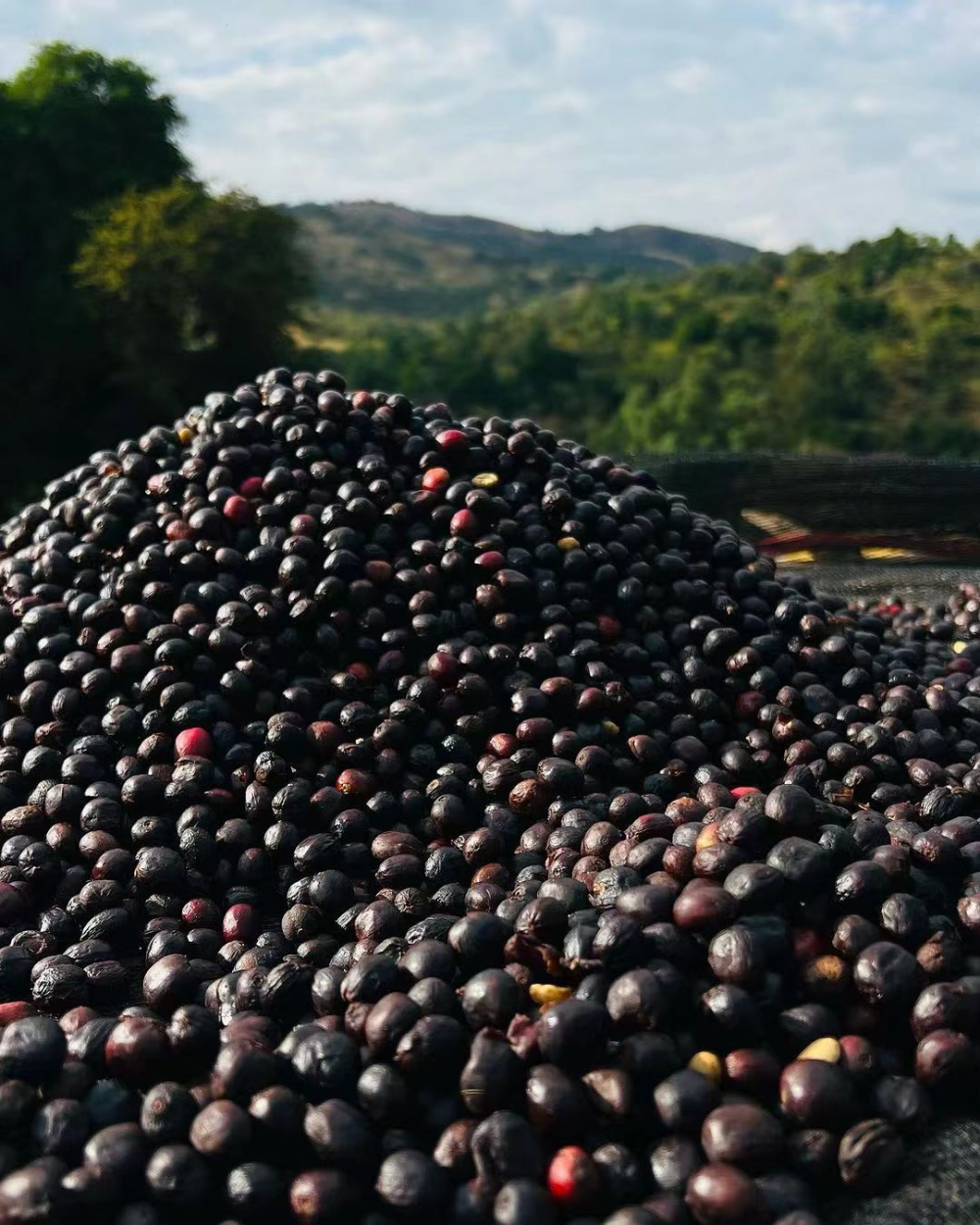
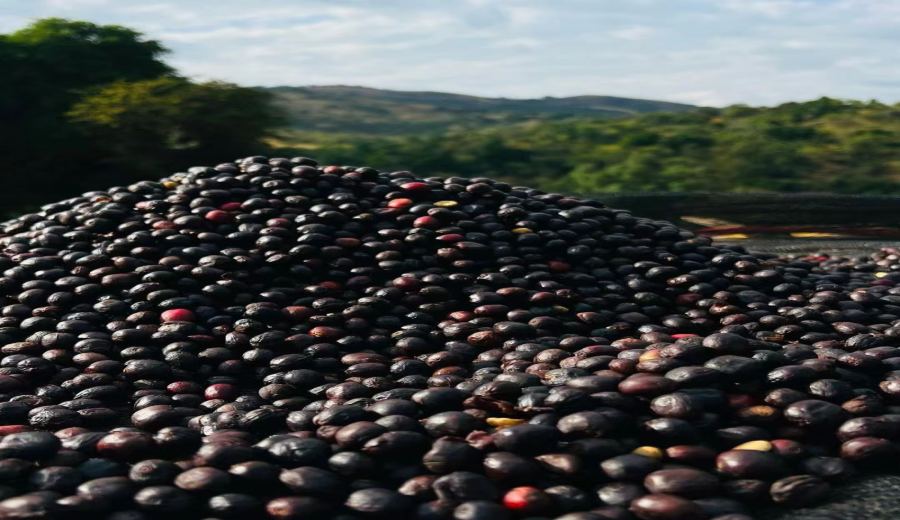
"Heirloom," often translated in Chinese as "原生种" (native variety) or "传家宝" (heirloom), does not refer to a single variety but rather represents the characteristic of mixed varietal harvesting in a region. However, in recent years, Ethiopian coffee variety information has started to include numerical codes such as 74110, 74112, and 74158, which actually have scientific origins. In the 1970s, multiple Ethiopian producing regions were hit by Coffee Berry Disease (CBD). Infected cherries turned from green to grayish-black before eventually necrotizing, with yield losses reaching up to 80% in severe cases.
Starting in 1972, growers attempted to use chemical fungicides to suppress CBD, but these only offered temporary relief. In 1973, the Jimma Agricultural Research Center (JARC) in Ethiopia launched a disease-resistant variety breeding program, establishing 19 collection sites in the southwest region. By 1975, they had gathered a total of 639 seed samples. Through field trials and scientific analysis, 13 varieties were ultimately selected for their combined resistance to CBD, drought tolerance, high yield, and good cup quality. The subsequent 74 series (and 75 series) varieties originated from these parent trees. The "74" stands for the year they were cataloged (1974), and the last three digits represent the sample number.
For instance, the Sidama Santa Vini coffee beans from a certain brand use the 74158 variety, processed via full red cherry with 96-hour anaerobic natural fermentation, showcasing intense floral aromas and tropical fruit notes such as guava and pineapple, with a winey finish.74158These numbered varieties are the concrete outcomes of JARC’s disease-resistant breeding initiative, possessing clear genetic backgrounds and stable performance.
In addition to numbered varieties, some Ethiopian coffees also display specific English names, many of which actually belong to Landrace varieties. Landrace refers to varieties that have been cultivated over a long period in local environments, gradually stabilized through farmer selection, and adapted to local conditions with strong resilience and distinctive flavor profiles. Thanks to their adaptation to specific soils and climates, they often exhibit unique flavor characteristics while maintaining good disease resistance and yield performance.
With the efforts of JARC, many varieties previously categorized as Heirloom—such as Kurume, Wolisho, Dega, Choche, Sardo Buna, and Bedessa—have been individually identified and named. These Landrace varieties not only excel locally but are also gradually gaining favor among international green coffee buyers, becoming new favorites for consumers seeking regional distinctiveness and unique flavors. For coffee enthusiasts, understanding the background of these varieties can lead to a deeper appreciation of the diverse profiles of Ethiopian coffee.
The above content is compiled by CoffeeHunters, a coffee news website.


