








Introduction:With the rise of remote work, more and more people are using cafés as their "second office," but long-term table occupancy and low spending habits are giving café owners headaches. Some cafés in the UK have started banning laptop use during peak hours, while Paris has opted for zoned management to balance customer needs. This article delves into the business logic behind these two approaches and offers practical insights to help readers understand the current state and challenges of café culture’s transformation.
Post-pandemic, remote work has become the new norm, with many office workers developing the habit of bringing their laptops into cafés to work while enjoying a cup of coffee. The free Wi-Fi and power outlets provided by cafés allow customers to comfortably work all day with just a single drink. Especially amid continuously rising energy costs, this setup has proven quite cost-effective for many.
However, for café operators, these “digital nomads” pose a tricky problem. They often occupy seats for long periods, ordering just a single drink and staying for hours, which not only reduces table turnover rates but also impacts overall revenue. To maintain operational balance, several cafés in the UK have recently introduced new rules prohibiting laptop use during certain hours.
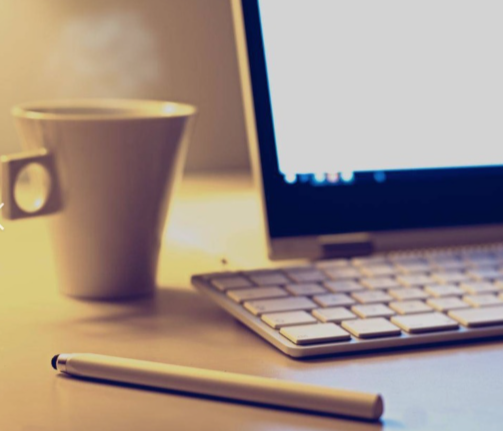
According to a report by The Telegraph, some cafés in the UK have implemented restrictions, especially during lunchtime peak hours (11:30 AM to 1:30 PM) and all day on weekends, banning customers from using laptops. For example, Milk and Bean in Newbury and Collective in Carshalton have both clearly posted such policies.
The manager of Collective stated that as a small business, it’s essential to ensure that tables and chairs are used efficiently. While they don’t want to offend any customers, the behavior of long-term seat occupation has seriously affected operations. The owner of Milk and Bean pointed out that laptop users generally spend less money and stay too long, directly impacting the café’s daily income.
This policy has drawn mixed reactions from customers. Some netizens support the restrictions, believing they help maintain the social and leisure atmosphere of cafés. However, others argue that the rules are too strict, especially for travelers or freelancers who need temporary workspace, lacking necessary flexibility.
A similar situation is unfolding in Paris. To protect traditional café culture, many Parisian cafés have started posting signs banning laptop use inside, or even discontinuing Wi-Fi services, encouraging customers to focus on enjoying their coffee. These measures stem not only from cultural considerations but also reflect operators’ practical need for cost control.
Nevertheless, many cafés in Paris have opted for a more flexible approach. Some venues have designated “laptop-free zones,” allowing customers to choose seating based on their needs. This zoning strategy satisfies those seeking a quiet workspace while preserving the traditional social ambiance of the café.
From the UK’s outright bans to Paris’s zoned strategies, it’s clear that café operators are striving to find a balance between modern demands and traditional values. How to maintain the original café atmosphere while adapting to new usage patterns has become a shared challenge for café owners worldwide.
The above content is compiled by CoffeeHunters, a coffee news website.


