







Introduction:After some Starbucks outlets implemented pet-friendly policies, it sparked customer discussions about environmental quietness and service fairness. This article delves into recent controversial incidents, explores the positioning logic of pet-friendly stores, and revisits the original intent and real-world challenges of Starbucks' "third place" concept, helping readers understand how the brand balances customer experience and market strategy.
Recently, a netizen shared their experience at a Starbucks outlet on a social platform, triggering heated discussion. Needing a quiet place to read a contract temporarily, they chose a relatively peaceful corner, only to have several pet dogs brought into the store within just ten minutes. Multiple dog owners also repeatedly asked staff for the complimentary pet cream, disrupting their work. The customer emphasized that while they are not against pets per se, the frequent interruptions made it hard to concentrate and also raised doubts about Starbucks’ positioning as a "third place."
The post quickly went viral online, drawing polarized public reactions. Some netizens argued that the customer was overly picky—cafés are public spaces and shouldn’t be expected to be completely quiet. Others pointed out that if entering a clearly marked "pet-friendly" Starbucks outlet, customers should be mentally prepared to encounter patrons with pets and related activities. In reality, this incident highlights the conflict between Starbucks’ efforts to cultivate a pet-friendly image and maintaining its original customer experience.
Rational netizens analyzed that the crux of the controversy might lie in the customer overlooking the store’s "pet-friendly" signage. Similar to how some hotels offer pet-friendly room types—venues inherently expecting pet presence—customers who dislike pets naturally opt for other types of outlets. Moreover, the marketing tactic of offering free pet cream is essentially designed for the pet-owning community, which also subtly filters the target clientele.
Looking back at Starbucks’ brand history, the "third place" has always been a core business philosophy. Founder Howard Schultz once explained, "The first place is home, the second is the office, and Starbucks is a place in between where people can feel relaxed and a sense of belonging." In the past, Starbucks outlets were often filled with businesspeople negotiating deals, freelancers working, or friends gathering—becoming an indispensable “midway rest stop” in urban life. This business model, combining coffee with a humanistic space, helped Starbucks quickly establish a unique brand image in the Chinese market.
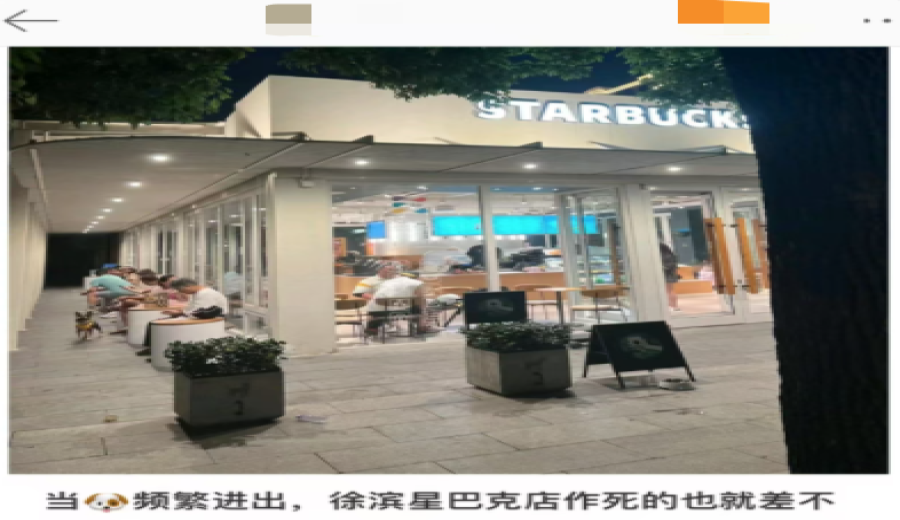
However, with intensifying market competition and diversified consumer trends, Starbucks has gradually introduced various themed outlets, including intangible cultural heritage concept stores and Reserve stores, attempting to deepen the meaning of the "third place" through a "coffee + cultural scene" approach. But in practice, this philosophy faces real-world challenges. For example, in February this year, a pet-friendly Starbucks outlet near Shanghai’s Xuhui Binjiang reported that outdoor seating was occupied by pet dogs, with some even standing on tables and chairs, affecting other customers' ability to sit. The store manager admitted that while most customers manage their pets properly, it’s still hard to avoid isolated incidents disrupting public order.

Regarding such controversies, industry observers noted that while pet-friendly policies may attract specific groups, they can also make other customers uncomfortable—especially those allergic to pet hair or who prefer quieter environments. How brands balance the actual needs of different customer groups when rolling out distinctive services becomes an ongoing consideration for operators. For customers, checking whether a store is marked as pet-friendly before entering is also a practical tip to avoid misunderstandings and conflicts.
In summary, Starbucks’ mixed reactions to its pet-friendly outlets reflect the brand’s struggle to maintain its "third place" philosophy while responding to segmented market demands. How to find a balance amid diverse customer expectations will be key to Starbucks’ continued optimization of the customer experience.
The above content is compiled by CoffeeHunters, a coffee news website.


