







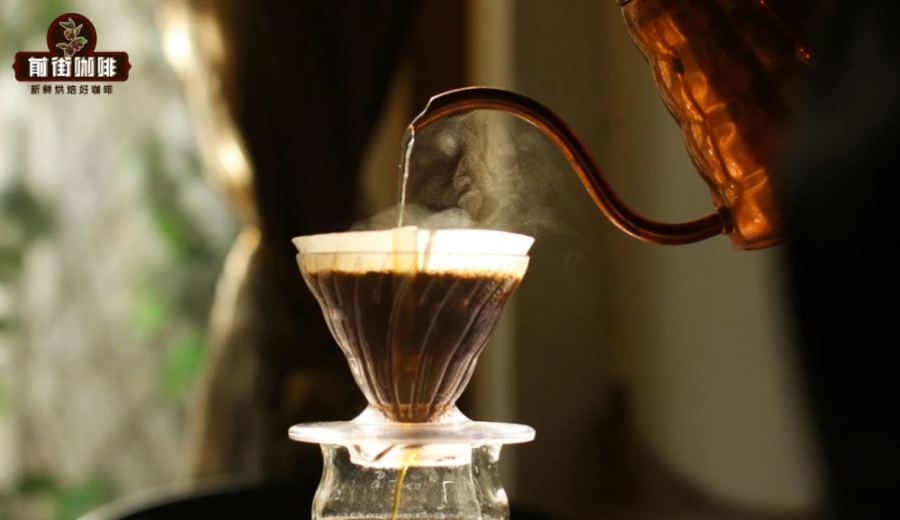
Introduction:Enjoying a high-quality cup of black coffee at home is actually not complicated. This article will delve into the characteristics and suitable users of three common pour over tools, recommend four distinctively flavored Arabica coffee beans, and detail key extraction parameters such as water temperature, water flow, and pouring techniques. Whether you're a beginner or an advanced enthusiast pursuing flavor, you’ll find practical methods to enhance your coffee experience here.
To brew a well-rounded, layered cup of black coffee at home, there are several common and practical methods to choose from: including traditional pour over brewing, siphon coffee makers, and the more convenient electric coffee makers. Each method has its pros and cons, suiting different needs and skill levels. Among them, although pour over requires certain techniques, it can best reveal the inherent flavor characteristics of the coffee beans, making it highly favored by coffee lovers.
First, let’s understand the basic characteristics and usage scenarios of these three tools. Pour over, also known as filter brewing, is the most classic and common method, requiring only a dripper, filter paper, and server—simple tools with a long history. However, this brewing method demands higher control over pouring technique, water temperature, and timing. Once mastered, it can fully showcase the original flavors and delicate layers of the coffee beans, making it especially suitable for coffee connoisseurs who value texture and flavor complexity.
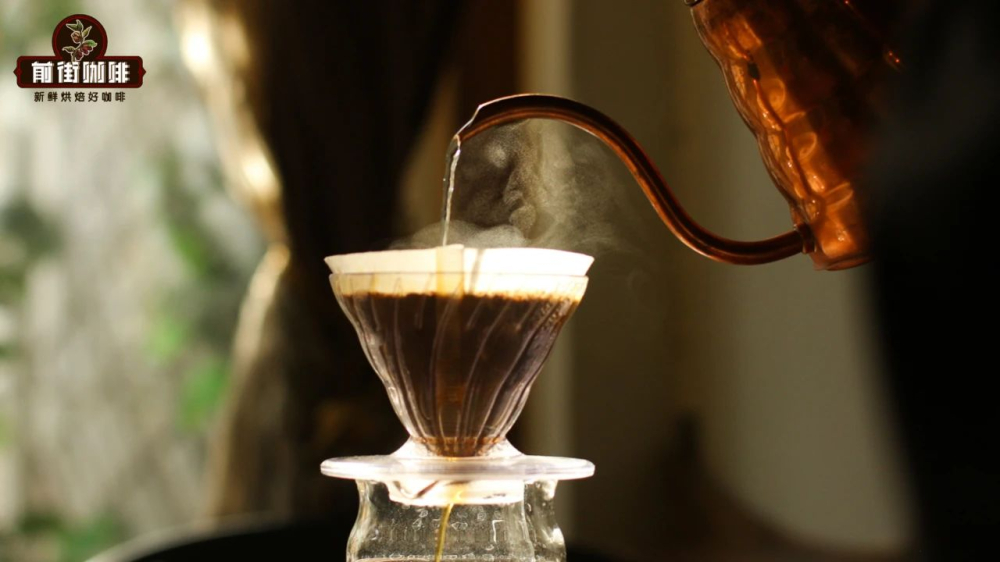
The siphon coffee maker uses the principle of siphoning to extract coffee. By heating the water in the lower chamber, steam pushes the water up into the upper chamber where it mixes with the coffee grounds. After stirring and steeping, the coffee liquid flows back down into the lower chamber. This method, due to its thorough stirring and steeping process, usually delivers a richer and fuller mouthfeel. It is also less demanding in terms of technique compared to pour over, making it more beginner-friendly. Priced generally around one or two hundred yuan, it offers good value for money.
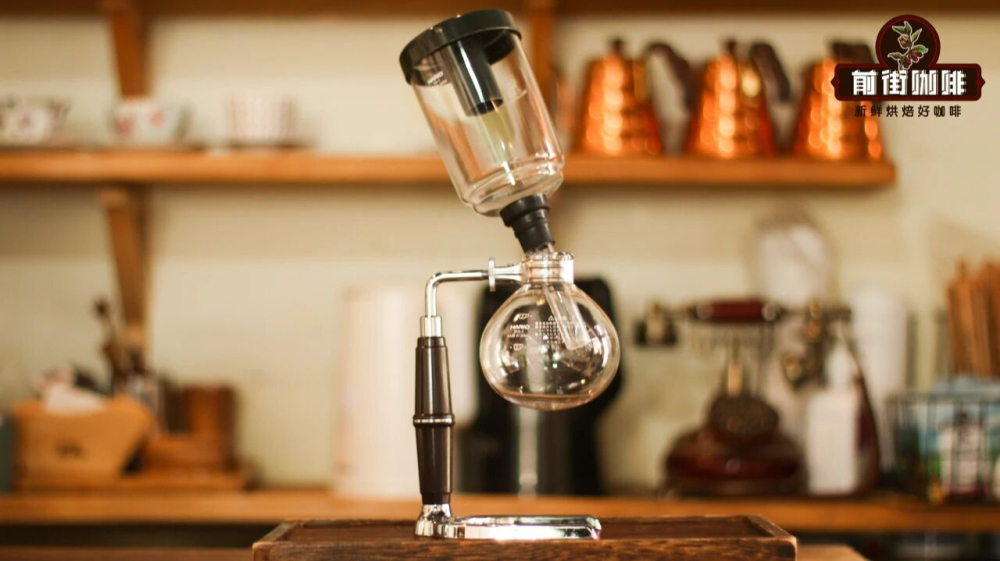
Electric coffee makers are the most convenient and hassle-free option of the three, with prices ranging roughly from one hundred to three to five hundred yuan. Simply add water and coffee grounds, and the machine will automatically heat and complete the extraction. However, since most electric brewers use near-boiling water for extraction, they can easily cause some delicate flavors to be lost. Although overall very convenient, they slightly lag behind pour over and siphon methods in terms of flavor finesse. They are more suited for those who prioritize convenience, want to create a cozy home atmosphere, but don’t want to spend too much time on the brewing process.
Among the many brewing methods, pour over filter brewing is highly praised by coffee professionals and enthusiasts because it can present the original characteristics of the coffee beans most directly and delicately. If you want to achieve a layered, balanced cup of black coffee through pour over, selecting a high-quality Arabica coffee bean is absolutely essential.
Here are four Arabica beans with different flavor profiles for you to choose from based on your personal taste preferences:
1. Nutty Profile Representative — A well-known coffee brand’s Queen Estate: Exhibits distinct aromas of cream, peanuts, sugarcane, toasted bread, and cocoa, suitable for drinkers who enjoy a smooth and full-bodied flavor.
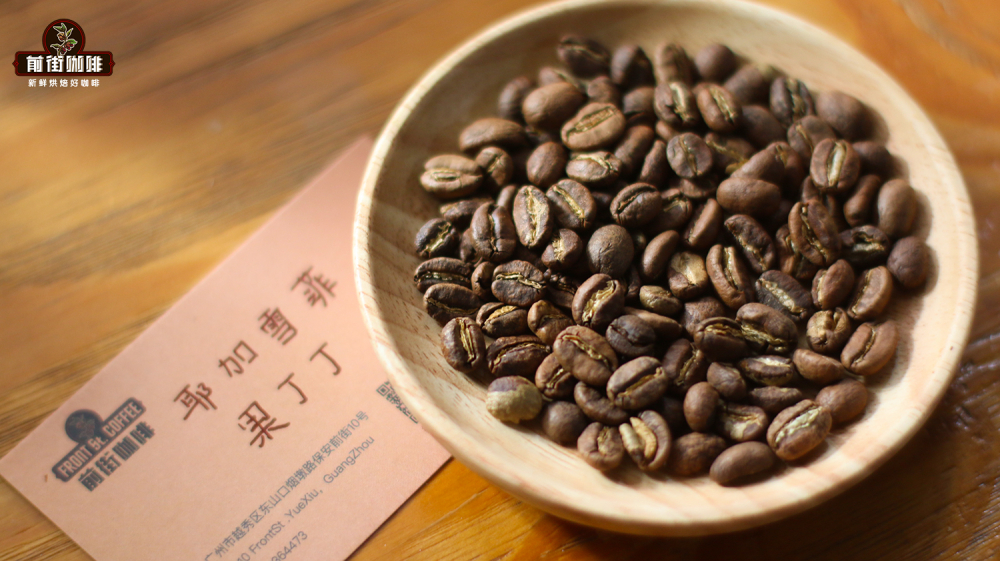
2. Floral & Fruity Profile Representative — A well-known coffee brand’s Fruit Ding Ding Cooperative: Boasts a fresh and complex aroma of jasmine, green tea, honey, lemon, and nuts, with a refreshing and distinctly layered flavor.
3. Tropical Fruit Profile Representative — A well-known coffee brand’s Strawberry Candy: Releases sweet fruity notes such as rose, fruit gummies, grapes, and dried blueberries, ideal for users who enjoy vibrant acidity and explosive fruitiness.
4. Caramel & Woody Profile Representative — A well-known coffee brand’s PWN Golden Mandheling: Presents deep tones of sandalwood, herbs, spices, toast, and caramel, with a rich flavor and long-lasting aftertaste.
When actually performing pour over, it is important to pay special attention to three key elements: water temperature, water flow strength, and pouring path. A stable and even water flow, along with a circular pouring trajectory that goes from the outside in and then back to the outside, can effectively improve extraction uniformity and flavor balance. In addition, the stability of the pour over kettle’s water output and the user’s control over the water flow are also crucial factors affecting the final flavor. Beginners are advised to practice pouring techniques more to achieve better extraction results.
The ideal water temperature range is generally recommended to be controlled between 86~93°C , which can fully bring out the coffee’s aroma, body, aftertaste, acidity, and bitterness, achieving a balanced flavor profile. It’s important to note that overly high water temperature can lead to over-extraction, resulting in sharp and astringent flavors; while too low a water temperature may cause under-extraction, leading to a thin and one-dimensional flavor with lack of layers.
Here are the standard steps for brewing a pour over black coffee, using a 1:15 brew ratio as an example, and 18g coffee beans as the base:
Step 1: First, heat the water and prepare 18g of coffee beans. Fold the filter paper and place it in the dripper, then rinse it with hot water. This not only removes any off-flavors from the filter paper itself but also helps it adhere better to the dripper, preventing it from later affecting the purity of the coffee’s flavor (this is an important technique).
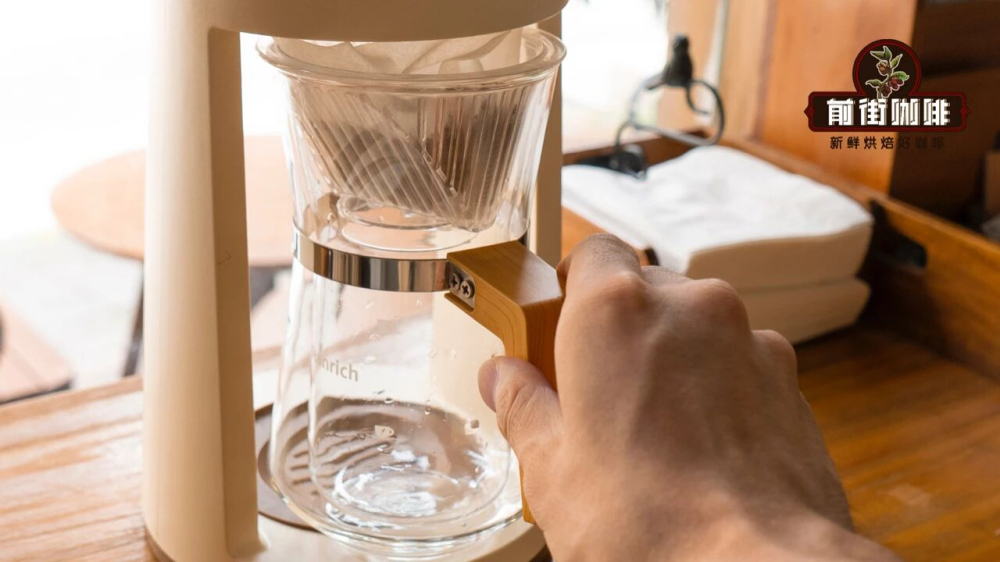
Step 2: Before starting the actual brew, it’s recommended to preheat both the dripper and the server, which can effectively prevent the coffee’s flavor from being affected by temperature drops during extraction. This step is crucial for maintaining a stable extraction temperature.
Step 3: Grind the coffee beans to a coarseness similar to coarse sugar. After pouring the ground coffee into the dripper, gently tap the side of the dripper to evenly distribute the coffee bed, which helps ensure consistency in subsequent extraction.
Step 4: Use 86~93°C hot water (adjust slightly according to the roast level of the beans and grind size), and slowly pour about 30g of water starting from the center of the coffee bed. Be careful not to direct the water stream straight onto the filter paper to avoid unnecessary paper taste interference. When the surface of the coffee grounds is evenly wetted and the first drops of coffee begin to appear in the server, stop pouring and allow the coffee to undergo a 30-second blooming process. Blooming primarily serves to release carbon dioxide from the coffee grounds, allowing the coffee particles to absorb water evenly and laying a solid foundation for subsequent extraction. At this point, you can observe the coffee bed visibly expanding and rising.
Step 5: After blooming, you can begin the official pouring. It is recommended to start from the center of the coffee bed, pouring steadily in a circular motion from the inside out and then from the outside in. The water flow should remain fine, steady, and uninterrupted. This process requires practice to control the water flow and pouring speed to avoid uneven extraction caused by pouring too fast or too heavily. As hot water fully interacts with the coffee grounds, various aromatic compounds, oils, and soluble flavor substances will gradually be released, creating an inviting coffee aroma.
Step 6: When the total water volume reaches 270ml , you can stop pouring. Then wait a moment for the coffee liquid to fully drip through. After warming your cup, you can enjoy a fully extracted cup of pour over black coffee.

Bonus Tip: The key to a successful pour over coffee lies in the precise combination of grind size, water temperature control, and brew ratio. Every detail directly affects the final flavor outcome. Compared to coffee made by automated machines, pour over requires more attention and practice, but it also allows for a richer and more personalized coffee experience.
The above content is compiled by CoffeeHunters, a coffee news website.


