







Introduction:An in-depth exploration of the origin, variety characteristics, and wet-hulled processing method of Indonesian Mandheling coffee, comparing the grade, flavor, and brewing differences between Lintong Mandheling and PWN Golden Mandheling. This article provides practical pour over parameters to help you master the unique charm and brewing techniques of this classic Sumatran coffee.
Indonesian Mandheling coffee is known for its full-bodied taste, herbal notes, and dark chocolate flavors. However, many first-time single-origin coffee drinkers often wonder: why does it always seem especially bitter? In fact, the bitterness of high-quality Mandheling is not monotonous but blends with subtle acidity, dark chocolate, and herbal aromas, offering a rich and layered cup that remains enjoyable even after multiple brews. This article will start from the origin of the producing region and variety differences, analyze the impact of the wet-hulled process on flavor, focus on comparing the grade definitions, flavor profiles, and mouthfeel differences between Lintong Mandheling and PWN Golden Mandheling, and include practical pour over parameter suggestions to help coffee enthusiasts better understand this representative Sumatran coffee.
The unique flavor of Indonesian Mandheling often contrasts with the bright fruity and floral notes of coffees like Yirgacheffe or Geisha. Compared to the lively acidity and fresh fruitiness of the latter, Mandheling presents a heavier body, lower acidity, and earthy, spicy characteristics. First-timers may need some time to adapt, but its depth and aftertaste are often impressive.
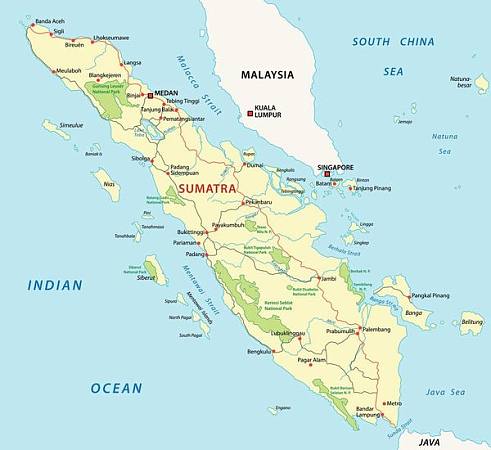
The name "Mandheling" is not a place, but originates from an ethnic group name on the Indonesian island of Sumatra. Only Arabica coffee grown in Sumatra qualifies to be called Mandheling. The main high-quality coffee regions in Sumatra are divided into two key areas: the northern Aceh Special Region, especially near Lake Tawar; and the mountainous areas around Lake Toba in the south. These regions are mostly operated by smallholder farmers and use a unique semi-washed processing method. Coupled with soil conditions and climate factors, the local green beans exhibit a distinctive bluish-green color when fresh.
Lake Toba is located in the central part of North Sumatra Province. During the Dutch colonial period, the "Java Mandheling" variety originally planted in Java was relocated here. Nowadays, both Lintong in South Sumatra and the areas around Lake Toba are considered traditional Mandheling-producing regions, with Lintong being one of the core production areas. Lake Tawar, on the other hand, is located in the Aceh Special Region at the northern tip of Sumatra. Though smaller than Lake Toba, the area has seen significant improvements in both coffee quality and yield in recent years. Local coffee is generally referred to as Aceh coffee or Lake Tawar coffee, with the Ateng variety being predominant.
Among the two commonly available types of Mandheling coffee beans on the market, Lintong Mandheling typically comes from the Lintong producing region, while PWN Golden Mandheling is a premium selection produced by Indonesia’s PWN company. PWN Golden Mandheling is a registered trademark with a very strict definition: it is limited to beans that are personally harvested and processed by the company, and have undergone at least three rounds of manual sorting. The beans must be 18 mesh size or larger, with no more than 3 defective beans per 300 grams of green coffee sample, and classified as the highest grade G1. Only those that meet these standards, and feature a dark green color with intact and flat-shaped flat beans, qualify to be labeled as "PWN Golden Mandheling."
As the reputation of PWN Golden Mandheling has risen, the market has also seen many products that misuse the name. Some merchants select 18 mesh size or larger green beans from G1-grade Mandheling and perform three rounds of manual screening to make them look similar to the genuine product, but these beans can only be categorized as specialty Mandheling and do not possess official PWN certification. Truly PWN-certified Golden Mandheling will have the PWN logo on the bag and come with relevant certificates, which can be verified through professional suppliers.
Based on actual cupping comparisons, PWN Golden Mandheling performs better in terms of cleanliness and sweet aftertaste, but is slightly less full-bodied than Lintong Mandheling. If you prefer a coffee with a rich mouthfeel and intense flavors, Lintong Mandheling is the more suitable choice; if you seek clear layering and a sweet lingering finish, PWN Golden Mandheling is worth a try.
In terms of variety, Lintong Mandheling mainly uses the TimTim variety, which is the Timor variety with Robusta lineage; whereas PWN Golden Mandheling mostly uses the Ateng variety, also known as Catimor, a hybrid of Caturra and Timor. Both of these varieties possess strong disease and pest resistance, making them well-suited to Indonesia’s hot and humid growing environment.
Indonesian coffee generally employs the wet-hulled processing method, a unique local technique. Due to the perpetually humid and rainy climate, coffee farmers first perform water fermentation after harvest to remove the mucilage, then immediately remove most of the mucilage and parchment layers. At this stage, the beans have a moisture content of around 30% to 40%, which is then further reduced to about 13% through sun drying or mechanical drying. This method not only shortens the processing time but also helps create the bold and solid flavor profile unique to Mandheling.
Mandheling coffee features a rich and layered flavor, often with a thick sweetness, a mildly bitter base, and unique herbal and cocoa aromas. After roasting, the beans tend to be larger in size and often emit caramel-like scents. Suitable for both single-origin enjoyment and use in blended coffee recipes, it works well for both pour over and espresso blends. Additionally, to ensure optimal flavor, it is recommended to choose freshly roasted beans shipped within five days of roasting.
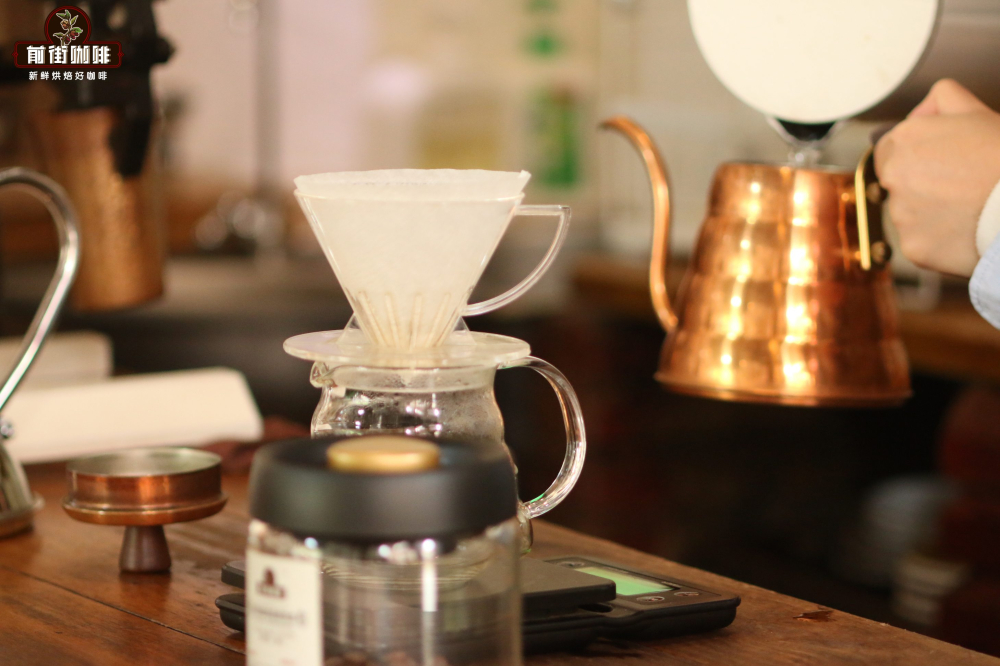
Regarding brewing methods, since Mandheling itself is not highly acidic, it does not easily develop sharp sourness even when kept warm for a long time or used to make iced coffee. It is recommended to use hot water for pour over to fully showcase its full-bodied texture and balanced bitterness and sweetness. We recommend using a KONO filter, with 15 grams of coffee, a 1:15 coffee-to-water ratio, and a grind size approximately equivalent to 70% extraction through a Chinese standard No. 20 sieve. Water temperature should be controlled at 88°C. The specific steps are: first pour 30 grams of water for a 30-second bloom, then slowly pour water up to 125 grams for the first pour, followed by increasing the water flow and slowly pouring up to 225 grams. The total extraction time is about 2 minutes. These parameters help balance body and flavor clarity, allowing the unique character of Mandheling to be fully expressed.
The above content is compiled by CoffeeHunters, a coffee news website.


