







Introduction:Why can't you replicate the layered, bright, and sweet-aftertaste experience of the Golden Mandheling at your local café when brewing it at home with pour over? The secret lies in water temperature, grind size, coffee-to-water ratio, and filter choice. This article uses the classic Indonesian PWN Golden Mandheling as an example to deeply explore how to fully bring out the spice sweetness and rich woody character unique to Mandheling through appropriate medium-coarse grind, low water temperature, three-stage pouring, and using a KONO filter — helping you brew a clean, bright, and long-lasting specialty pour over coffee.
Indonesian Mandheling coffee has long been known for its unique herbal, spicy, and full-bodied mouthfeel, making it a favorite among many serious coffee enthusiasts. However, many people brewing at home often only taste a flat bitterness, completely missing out on the aroma and complexity served at cafés. This is closely related to the coffee beans’ processing method, roast level, as well as water temperature, grind size, and filter selection during pour over.
This article will use the Golden Mandheling produced by Indonesia’s PWN company as an example, explaining in detail how to fully showcase Mandheling’s charming spice sweetness and intense richness through correct extraction parameters — including coffee-to-water ratio, grind size, water temperature control, filter type, and the recommended three-stage pouring technique. Mastering these key points will allow you to enjoy a clean, sweet, and long-finishing Golden Mandheling at home, just like those from professional cafés.
First, it’s recommended to choose freshly roasted Golden Mandheling beans. Generally speaking, roasted coffee beans have about a five to two-week “peak flavor window.” After this period, aroma and flavor compounds gradually diminish, especially delicate fruit acids and floral notes, which are prone to evaporating. As a result, many specialty shops only offer beans roasted within five days to ensure each cup is vibrant. If the Mandheling you receive was roasted more than a month ago, you’re likely to taste only woody and flat burnt bitterness, losing the original complexity and depth of aroma.
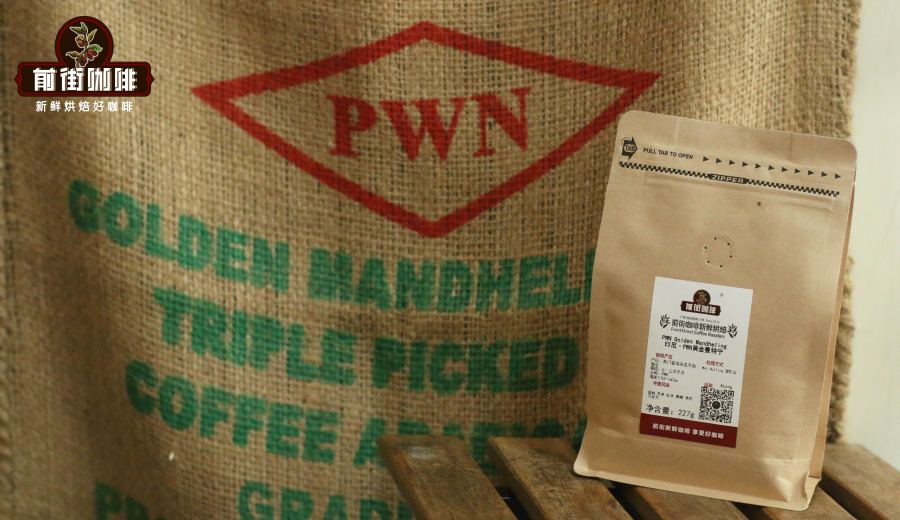
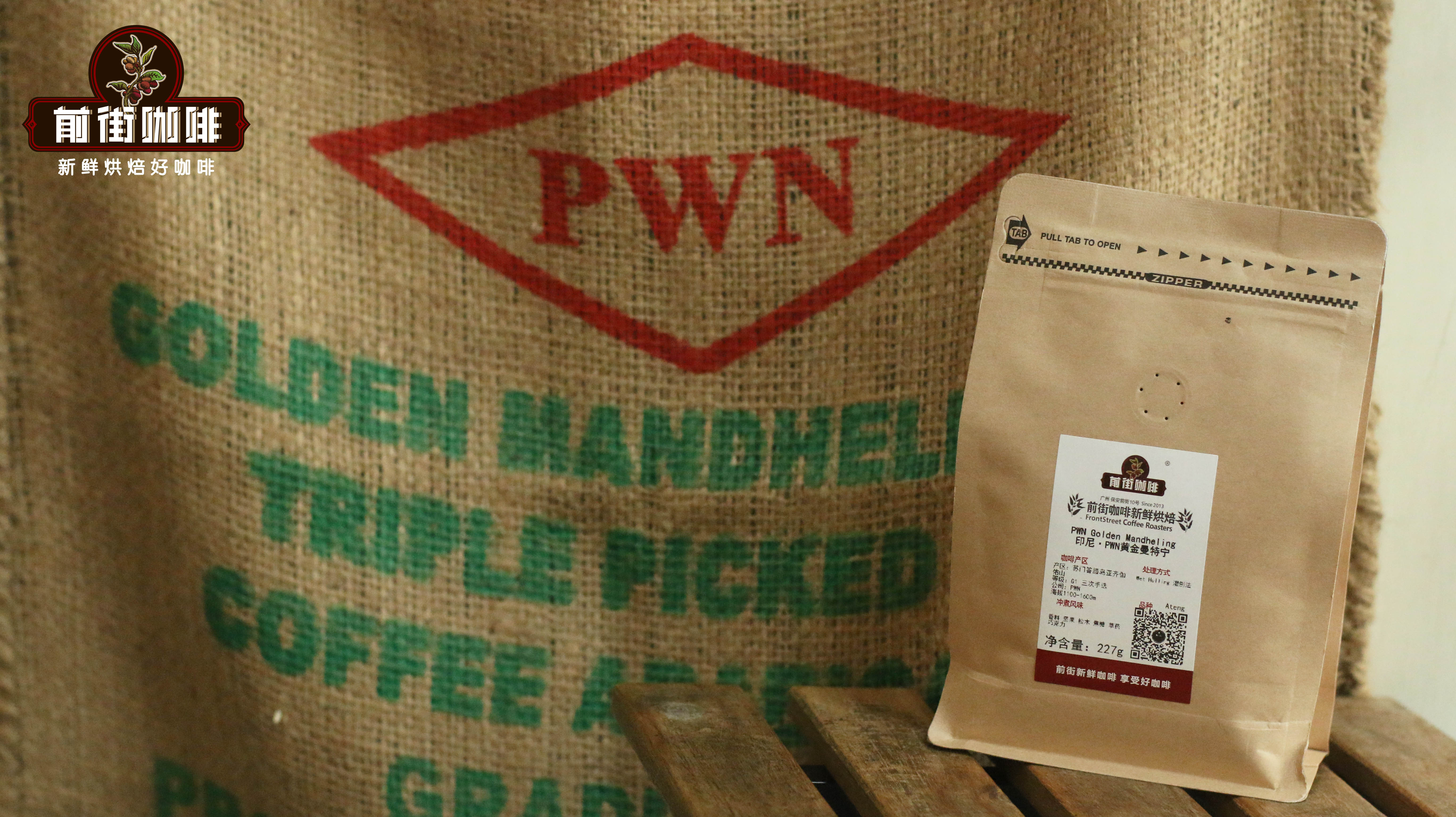
This Golden Mandheling comes from the Gayo Highlands of Sumatra, Indonesia, where renowned green bean supplier PWN carefully selects Grade G1 beans and processes them using traditionalwet hullingmethod. This process differs from common washed or natural methods, as it removes the parchment layer before the beans are fully dried, allowing the beans to be directly exposed to external moisture and microbes. This contributes to its unique woody, herbal, and spicy tones — a key part of what we call the “regional flavor.”
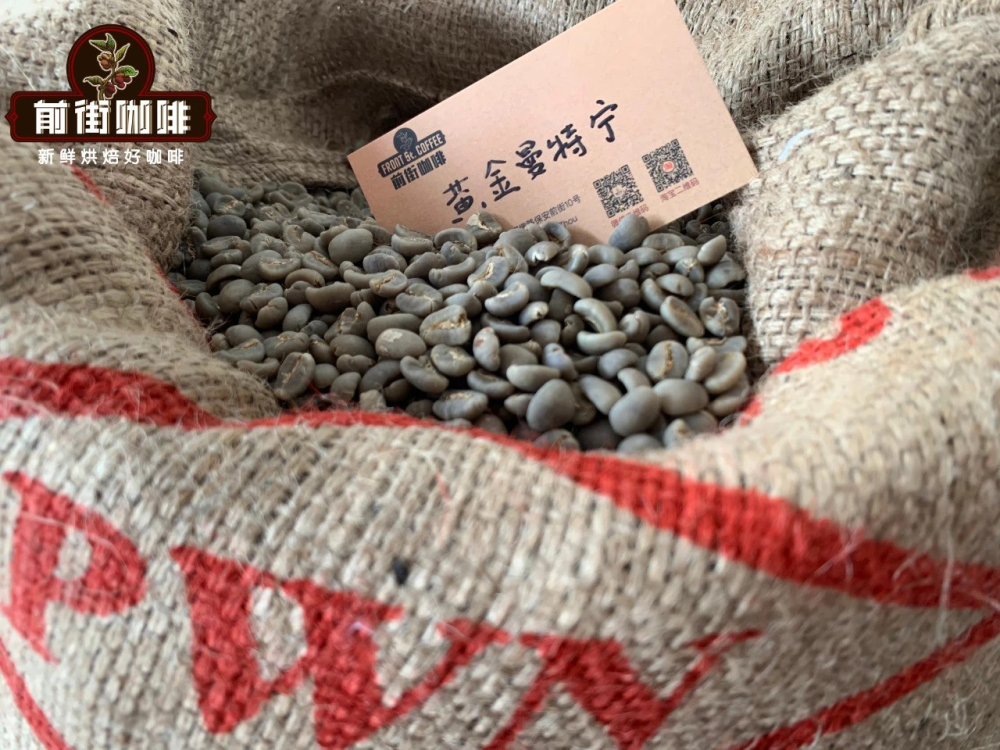
It’s worth noting that because wet hulling is performed while the beans are still semi-dry and involves mechanically scraping off the parchment layer, the process can easily damage or break the beans, resulting in a generally higher defect rate compared to other processing methods. However, PWN employs a rigorous four-step manual sorting process, keeping only beans that are uniform in color and size, ensuring the final product offers a cleaner, richer, and noticeably sweeter cup.
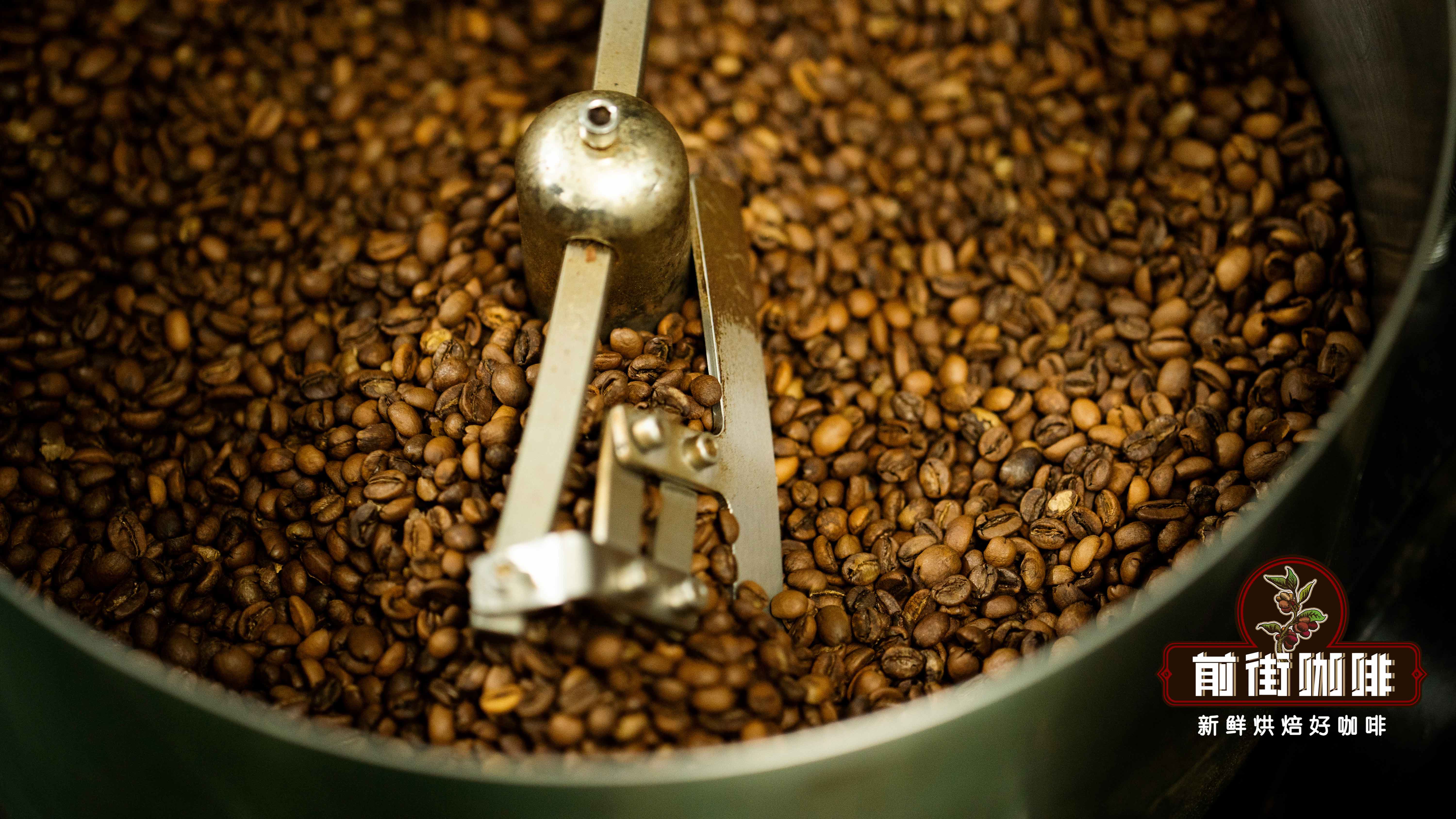
In terms of roast level, to highlight Mandheling’s full body and dark chocolate aroma characteristics, this shop usesa medium-to-dark roast,which emphasizes caramel and cocoa flavors while also adding more body to the overall cup.
When it comes to pour over, the first key parameter iscoffee-to-water ratio.Generally, it’s recommended to use a1:151:15 ratio, meaning 15 grams of coffee to 225 milliliters of water. This ratio balances flavor intensity and clarity, suiting most palates. Of course, if you prefer a stronger taste, you can adjust to 1:13; if you enjoy a lighter and more delicate profile, try 1:17. But be aware that going too light or too strong may mask Mandheling’s subtle spice and sweetness.
Forgrind size,since Golden Mandheling is a medium-dark roast with a looser bean structure and faster water absorption, grinding too fine can lead to over-extraction, releasing excessive bitter compounds. Therefore, it’s advised to use amedium-coarse grind,similar to about 70% extraction through a Chinese standard No. 20 sieve, or setting your grinder (such as an EK43) around a 11 setting. This helps avoid over-extraction while preserving the coffee’s richness and sweetness.
As forwater temperature,it is another critical factor affecting extraction. Dark roast coffee has already released much of its simple sugars and amino acids, so using too high a temperature can also extract large-molecule off-flavors, resulting in a rough mouthfeel and prominent bitterness. It’s suggested to keep the water temperature at87–88°C, slightly lower than the 91–93°C commonly used for light to medium roasts. This better highlights caramel sweetness and spice layers while suppressing unwanted off-notes.
Filter choice is equally important. For a coffee like Mandheling with a full body and concentrated flavors, it’s recommended to use aKONO filter.Compared to V60, the KONO filter has smoother inner wall curves, fewer and lower-positioned ribs (only about one-quarter the height of the filter), allowing the filter paper to cling tightly to the cup wall while water can only flow out from the central bottom. This prolongs the immersion time of the coffee bed, creating an effect similar to “immersion brewing,” resulting in a rounder, richer, and more layered coffee flavor.
Finally, to extract the sweetness and full body of Mandheling, it’s advised to use thethree-stage pouring method.Start by pre-wetting the filter with hot water, discarding the rinse water, then placing 15 grams of medium-coarse ground coffee and gently shaking to level. Next, pour 30 grams of hot water fora 30-second bloom,which activates the coffee grounds and releases CO₂, laying a good foundation for subsequent extraction. Be especially careful not to bloom dark roasts for too long, as this may release excess woody or off flavors.
After blooming, begin the first pour, slowly adding water in small circles centered around the grounds until the total reaches 125 grams, then pause briefly. Once the coffee bed visibly settles, proceed to the second pour, maintaining a steady flow rate until you reach a total of 225 grams. By this point, you should see the bottom coffee liquid fully draining. The overall extraction time should be kept to aroundtwo minutes,with a margin of error within 10 seconds
By following the above steps, you’ll be able to brew a Golden Mandheling with a multi-dimensional flavor profile — featuring spices and dark chocolate as the main notes, paired with a rich mouthfeel and a long, satisfying finish. The cup will be clean and bright, with a pronounced aftertaste, making it not only great for sipping on its own but also an excellent entry point for exploring the world of premium Indonesian coffee.
The above content is compiled by CoffeeHunters, a coffee news website.


