







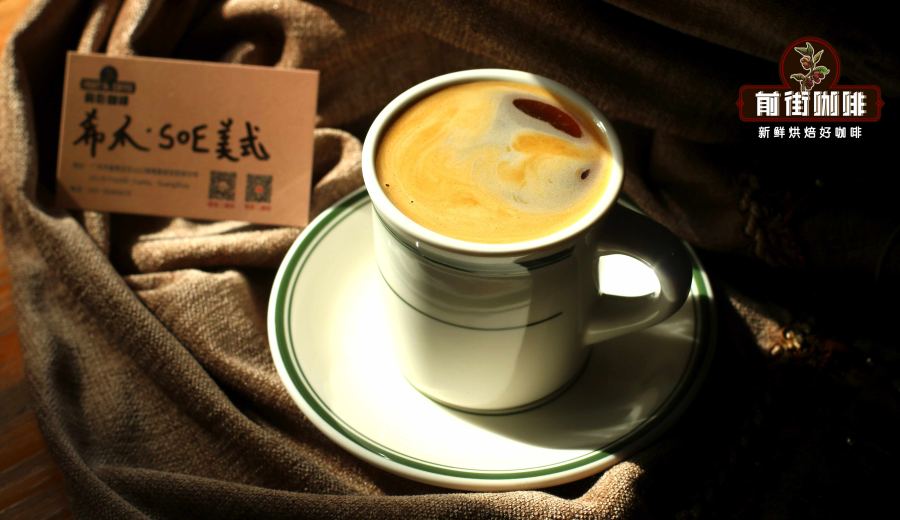
Introduction:SOE (Single Origin Espresso), or Single Origin Espresso, has gradually garnered attention from coffee enthusiasts in recent years. This article delves into the definition, historical background, and characteristics of SOE, and compares its key differences with regular single-origin beans in terms of roasting and extraction. Through practical examples, it provides detailed SOE and pour over parameter settings along with corresponding flavor profiles, helping readers fully grasp this distinctive type of espresso with bold flavors.
SOE is the abbreviation for "Single Origin Espresso," referring to espresso made using coffee beans from a single origin. This type of coffee can clearly showcase the unique terroir flavors of that particular region, such as bright acidity, rich floral notes, or deep sweetness. However, SOE differs significantly from the single-origin beans commonly used for pour over in terms of roasting and extraction methods. This article will provide a detailed introduction to the definition, development background, pros and cons of SOE, and compare its differences with regular single-origin beans in roast level and extraction techniques. Finally, it will also offer reference-worthy extraction and pour over parameters using actual bean examples, along with their corresponding flavor expressions, to help readers comprehensively understand this vividly flavored espresso variety.
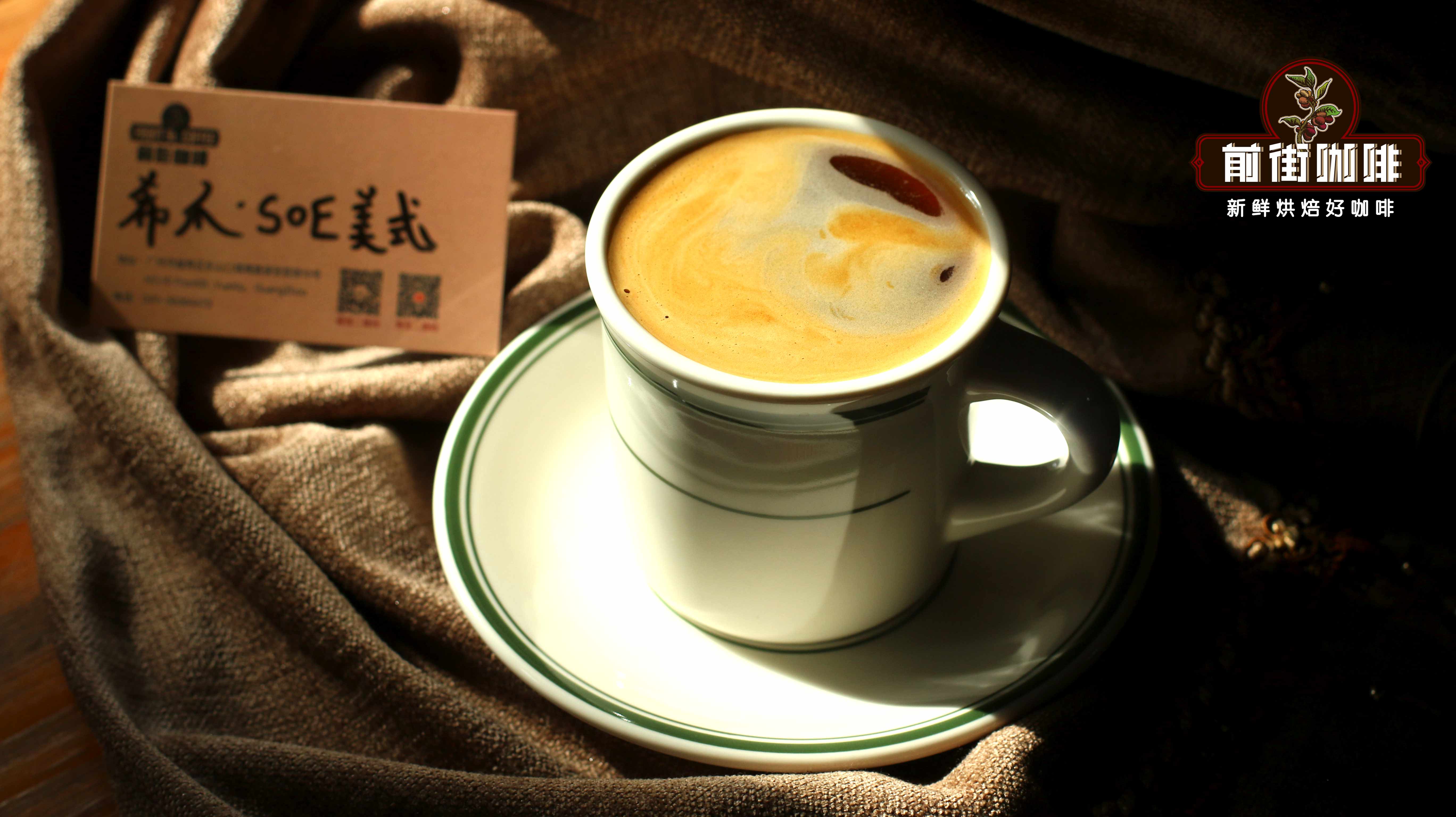 Many newcomers to espresso may be unfamiliar with the term SOE or may have never even heard of it. But for seasoned coffee enthusiasts, SOE has already become an important option on their regular drinking lists. Beginners often mistakenly assume that SOE is some kind of highly difficult or exclusive coffee type, but in reality, it’s simply espresso made from single-origin beans, which can also be paired with milk to make lattes or cappuccinos. In other words, SOE isn’t as unapproachable as it may seem, but it does have distinctive qualities worth savoring—such as more pronounced regional flavors and usually a slightly higher price. However, what truly sets it apart is its underlying historical evolution and unique logic behind roasting and extraction.
The so-called SOE, whose full name is Single Origin Espresso, can also be directly understood as "single-origin espresso." Its most prominent feature is its ability to showcase the unique flavor profile of a specific region or farm. For example, if you prefer a bright acidity and floral notes, you might choose a single-origin bean from Yirgacheffe as the base for your SOE; if you prefer a richer and fuller-bodied taste, then beans from Sumatra or Java might better meet your expectations. This is the most fascinating aspect of SOE—it allows you to taste clear geographical flavor characteristics in every shot of espresso.
Compared to traditional blends, SOE places greater emphasis on expressing the individuality of a single origin. Blends are typically created to achieve balanced and stable flavors by mixing beans from different regions, while SOE focuses on highlighting the uniqueness of one particular place. This approach has been practiced abroad for many years and has become a major trend in the specialty coffee scene for over a decade; however, in Taiwan or the Chinese-speaking market, the popularity of SOE is still in a developmental stage, and many customers may not actively order SOE even when visiting a café. That said, once you understand how it presents regional characteristics, you’ll find it’s actually a window into the diverse world of coffee flavors.
The advantages of SOE are quite clear: it allows you to distinctly experience the flavor differences between various regions, such as the citrus notes of Yirgacheffe, the berry acidity of Kenya, or the nutty chocolate tones of Colombia. However, it also comes with notable challenges. Firstly, the price is usually higher, and secondly, flavor expression can be easily affected by seasonality and micro-lots. Since coffee beans are agricultural products, factors such as climate, harvest, and processing conditions can vary each year, meaning that even SOE from the same region may differ in flavor annually. Additionally, if a café uses micro-lot or limited-edition green beans to make SOE, not only is the price higher, but the supply is also relatively limited—this is why SOE is often seen as a more "premium" or "special" choice.
The rise of SOE is closely tied to the World Barista Championship (WBC). As early as 2007, a champion competitor used SOE beans in the competition and achieved excellent results. This move prompted the global coffee industry to re-evaluate the potential of single-origin beans in espresso. Since then, SOE has gradually become a hot topic in the specialty coffee community, with many baristas and consumers focusing on how to bring out the captivating flavors of single-origin beans under pressure extraction through appropriate roasting and brewing techniques. However, because SOE demands high quality in beans, roasting skills, and extraction conditions, the flavor expression of each cup may vary, which is also one of the reasons why it is both captivating and challenging.
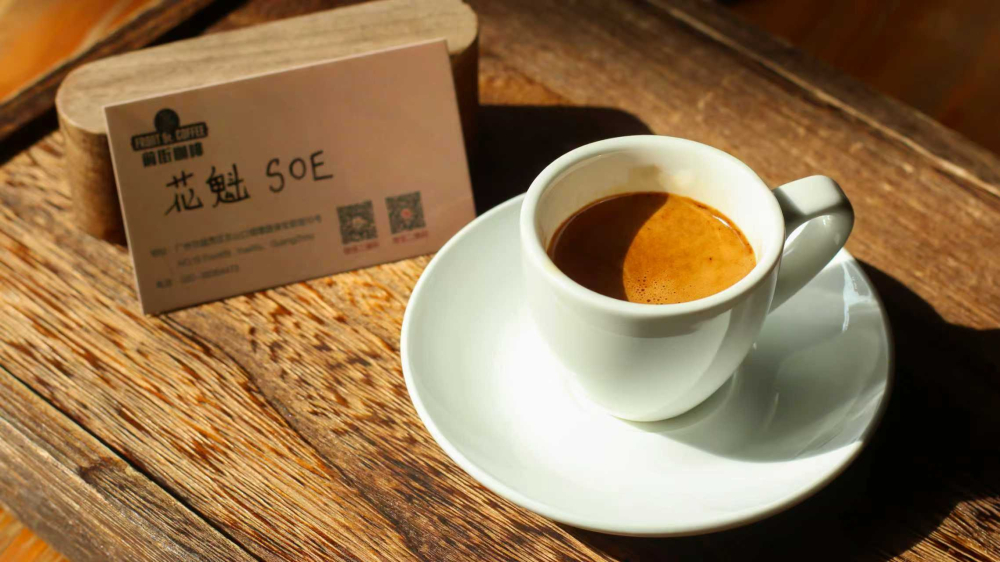 When it comes to SOE, people often ask: Since SOE is espresso made from single-origin beans, how is it different from the single-origin beans typically used for pour over? In fact, there are clear differences between the two in terms of roast level, extraction method, and final flavor expression.
1. Roast Level: The roast level of coffee beans used for SOE must balance the expression of regional flavors with the body and crema required for espresso. While light roasts preserve more acidity and fruity-floral characteristics, if not adjusted appropriately, they may result in insufficient crema and overly sharp acidity, leading to an imbalanced extraction flavor. For instance, making SOE directly with a light-roasted Yirgacheffe may yield an espresso with prominent acidity but lacking in richness and body, with a short-lived flavor. Therefore, the roast level of SOE is usually fine-tuned based on regional characteristics, preserving terroir features while ensuring the formation of a thick and long-lasting crema.
2. Extraction Method: The extraction of SOE and pour over involve entirely different physical and chemical processes. Due to high-pressure extraction, the rate and proportion of solubles extracted in espresso differ significantly from pour over, thus requiring a different roast level. Pour over can highlight more delicate fruit acidity and sweetness, whereas espresso emphasizes richness, body, and layering. In addition, extraction stability is crucial—the pressure of the machine, water temperature control, and the precision of grind size all directly affect the final flavor. If the machine lacks stability, even with high-quality SOE beans, it’s difficult to extract a balanced and satisfying espresso.
For example, a brand once tried making SOE using a fixed light-roast blend, resulting in thin crema, noticeable sourness and astringency, and unstable flavors. This serves as a reminder that making SOE is not simply a matter of "using single-origin beans + espresso extraction," but rather requires comprehensive adjustments based on bean variety, origin, and extraction conditions.
Next, we’ll use actual bean examples to illustrate the specific differences between SOE and pour over in terms of parameters and flavor. This time, we’ve selected Ethiopian Red Cherry coffee beans from Yirgacheffe, a typical high-altitude single-origin bean with distinct fruit acidity and aroma characteristics.
Example using a certain Ethiopian Red Cherry coffee bean
Region: Yirgacheffe
Altitude: 2000 meters
Variety: Heirloom
Processing Method: Natural
Roast Level: Light
SOE Parameters
Coffee Dose: 20 grams
Yield: 40 grams
Extraction Time: 27 seconds
Grind Size: Pegasus 900N #1.7
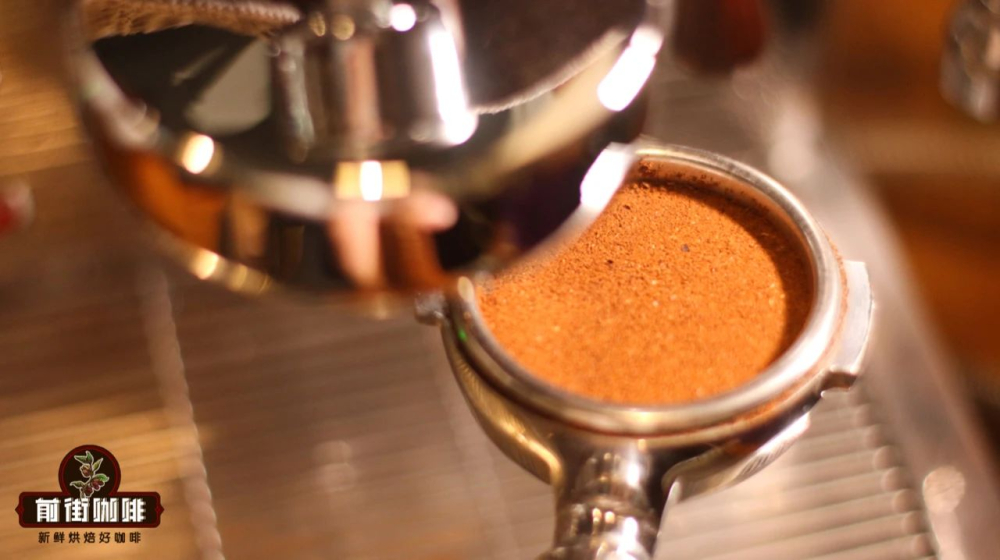
SOE Flavor Description:
Medium acidity, medium-low bitterness, medium-low sweetness, viscous mouthfeel, with a refreshing berry juice-like flavor, slight tea-like quality, and a long aftertaste; however, crema stability is relatively poor and dissipates quickly.
Pour Over Parameters
Water Temperature: 91°C
Brew Ratio: 1:15
Filter: V60
Grind: Fine sugar-like fineness
Brewing Method: Step brewing
Brewing Steps:
30 grams water for a 30-second bloom, followed by slow circular pouring to 115 grams for the first pour, then three more circular pours to 225 grams total, with an overall brew time of about 2 minutes.
Pour Over Flavor Description:
Bright fruit aromas such as tropical fruits, strawberries, berries, and honey, with crisp acidity and pronounced sweetness—suitable for those who enjoy fruity and floral notes.
The above content is compiled by CoffeeHunters, a coffee news website.


