







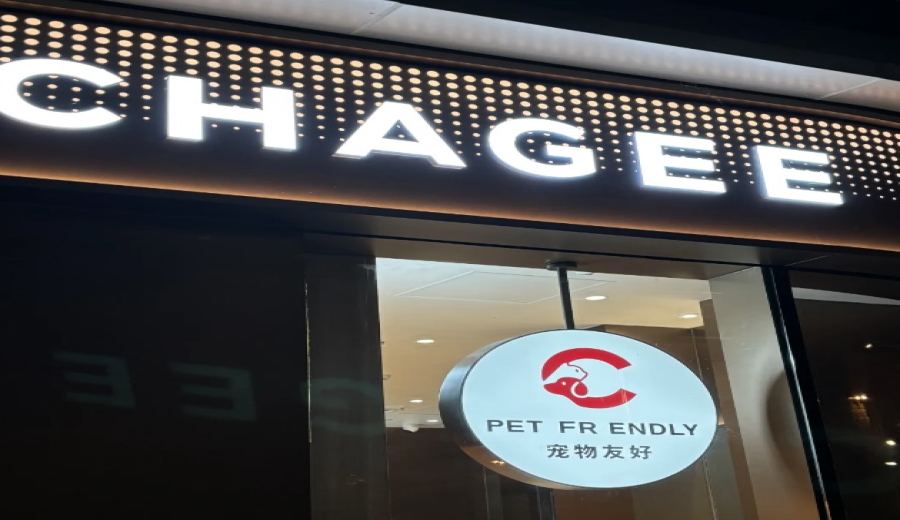
Introduction:As the proportion of pet-owning households rises, an increasing number of beverage brands are turning their attention to the "pet economy." Recently, Heytea launched pet-friendly trial stores in four cities including Changsha and Kunming, offering thoughtful amenities such as water bowls, poop bags, and litter boxes, sparking widespread discussion among consumers. This article takes an in-depth look at the details of pet-friendly policies, the actual setup of these spaces, and explores both the business opportunities and challenges beverage brands face when tapping into the pet market.
For pet owners, wanting to enjoy a drink outside while not wanting to leave their furry companions behind often presents a dilemma. Many shops do not clearly indicate whether pets are allowed, leaving owners with no choice but to forgo their purchase. However, this situation is gradually changing. On August 23 of this year, the well-known tea brand Heytea announced the official launch of its first batch of pet-friendly stores, located in Changsha, Kunming, Hangzhou, and Shijiazhuang, with plans to expand to more cities in the future.
Being pet-friendly means more than just allowing pets into the store—it involves providing a range of convenient facilities and services for both pets and their owners, such as dedicated water bowls, poop bags, and even litter boxes, creating a harmonious space for humans and pets alike. These stores have received praise from many pet owners on social media, though some members of the public have expressed concerns about hygiene and animal disease prevention.
According to statistics, China’s pet economy reached a scale of 592.8 billion yuan in 2023, with a projected breakthrough of 811.4 billion yuan by 2025. Faced with this rapidly growing market, beverage brands are actively seeking entry points, attempting to attract more “pet parents” to become loyal customers. Below, we’ll take Heytea’s pet-friendly initiatives as a starting point to explore how the broader beverage industry is approaching the pet economy, along with the opportunities and controversies involved.
Many pet owners have faced this dilemma: should they bring their beloved dog or cat out with them, or skip the chance to enjoy a coffee or milk tea? In the past, many stores did not clearly indicate whether pets were allowed, leading many owners to simply choose not to enter. But now, more and more businesses are recognizing this demand and adjusting their strategies to attract these “pet parents.”
The first batch of Heytea’s pet-friendly stores has been launched in four cities: Changsha, Kunming, Hangzhou, and Shijiazhuang, with plans for further expansion. These pet-friendly stores go beyond simply “not refusing pets”—they also offer a range of thoughtful amenities, such as water bowls and poop bags, and some even provide litter boxes so cats can wait comfortably while their owners enjoy their drinks.
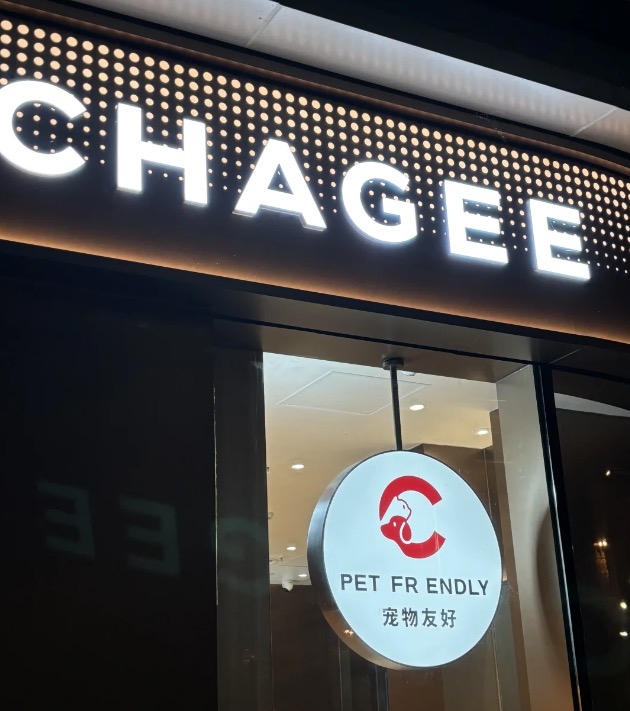
Generally speaking, a pet-friendly space refers to a public or commercial environment that not only allows pets inside but also creates an environment suitable for them and their owners to use together. This goes beyond merely “not chasing away” pets, and includes providing dedicated services and facilities for pets, such as pet snacks, toys, and even stroller rentals. The core goal is to promote human-pet coexistence, encourage civilized and scientific pet ownership, and create a harmonious space for both humans and animals.
In response to Heytea’s pet-friendly policy, reactions from pet owners on social platforms have been very enthusiastic. One netizen commented, “A pet-friendly store? Then I can take my dog to try their Boya Juexian!” Another joked, “If there’s free whipped cream, I’ll definitely bring my dog for a visit.” It’s clear that such policies have struck a chord with many pet owners.
According to firsthand accounts from netizens who visited Heytea’s pet-friendly store in Changsha, the shop has set aside a special area equipped with basic items such as water bowls, poop bags, and wet wipes, and even includes a litter box. Such arrangements undoubtedly bring the store closer to the true definition of “pet-friendly.”
However, pet-friendly stores are not without restrictions. It is understood that pets entering these stores typically need to have valid ownership credentials and provide proof of vaccination, ensuring the health and safety of all customers and pets. Additionally, store staff are required to have basic knowledge of pet care to properly handle any unexpected situations. Most importantly, owners must take full responsibility for their pets’ behavior—aggression or disruption to other customers is absolutely not allowed. This is a key aspect of what is called “mutual friendliness”—ensuring pets are comfortable while not affecting other guests or staff.
In fact, even before launching pet-friendly stores, Heytea had organized a pet-themed monthly event centered around its popular product “Boya Juexian,” offering merchandise such as pet badges and blind box sets. This move successfully garnered significant attention and gave the brand a taste of success in the pet economy.
However, the pet-friendly policy has also sparked considerable debate. Some consumers argue that unless it’s a dedicated pet restaurant, it is reasonable and necessary to prohibit pets in general dining venues, including food areas within malls. Some F&B industry professionals have shared their experiences, noting that although they once allowed customers to tie up their pets in outdoor courtyards, complaints about fur and odors from other customers—and even attention from regulatory authorities—eventually led them to stop allowing pets altogether.
It’s worth noting that even in pet-friendly stores, not all pets are allowed in freely. In addition to providing proof of vaccination, owners must ensure their pets behave well and do not disturb others. These regulations aim to welcome furry friends while also taking into account the dining experience of all customers.

Currently, besides Heytea, other well-known beverage brands such as Starbucks, HEYTEA, and Manner have also launched similar pet-friendly stores or events. Pet-friendliness appears to be a promising emerging trend—especially in China, where the pet economy continues to grow, and the relationship between humans and pets is shifting from “master and pet” to “family companionship.” This market shift is also one of the key strategies for beverage brands to find differentiation and new growth opportunities in an increasingly competitive landscape.
The above content is compiled by CoffeeHunters, a coffee news website.


